Are Prayer Plants Safe for Cats? (Maranta & Calathea)
This post contains affiliate links. If you buy through them, I earn a small commission at no extra cost to you. As an Amazon Associate I earn from qualifying purchases.
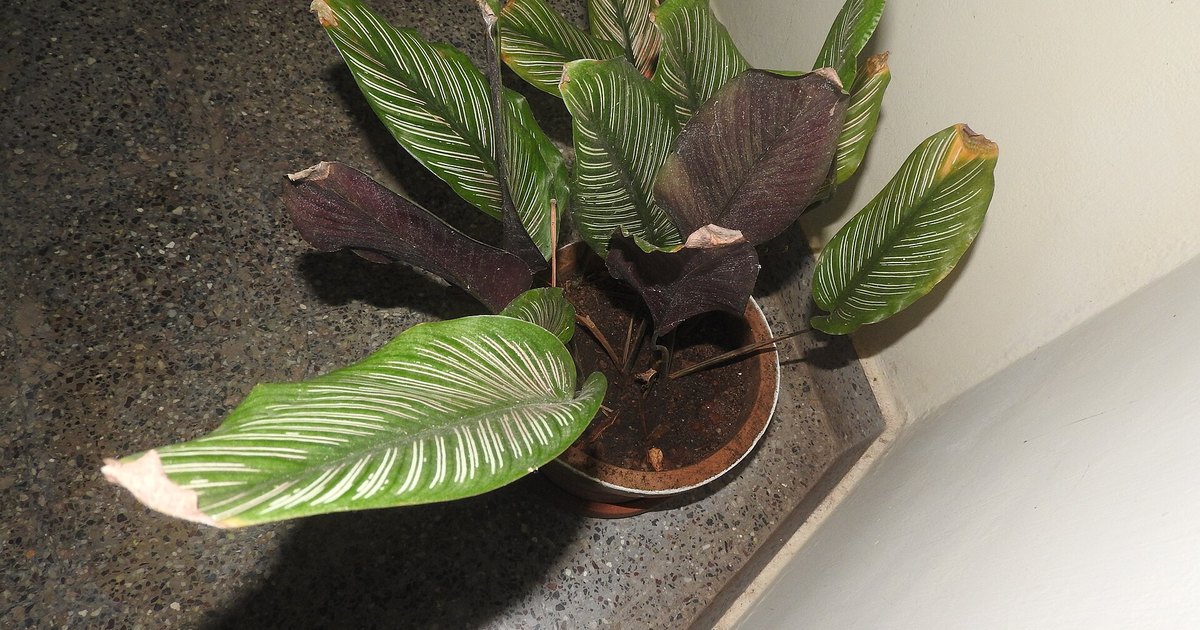
Prayer plants are having a moment — those hand-painted leaves that literally fold up at night are pure serotonin. And if you’ve got a cat, here’s the good news you came for: yes, prayer plants are safe. Let’s clear up the (slightly confusing) naming and cover how to keep one thriving.
Are prayer plants safe for cats?
Yes. The ASPCA lists the prayer plant (Maranta) as non-toxic to cats and dogs, and the closely related calathea is non-toxic too. So if your cat bats a leaf or takes a nibble, there’s no toxin at work. As always, “non-toxic” means not poisonous — not “meant to be eaten” — so a big binge could still cause a mild, temporary tummy upset.
The confusing name situation
“Prayer plant” is used loosely for a whole family (Marantaceae) — including Maranta (the classic red-veined prayer plant), Calathea, and Stromanthe. Good news: they’re all ASPCA non-toxic. The one thing to double-check is that you’re not accidentally buying a different plant sold under a cute nickname — always glance at the botanical name on the tag and cross-check the ASPCA database.
Bold, patterned foliage that’s ASPCA non-toxic to cats and dogs — one of the prettiest pet-safe plants you can own. Full calathea care guide.
Check price on Amazon →Keeping a prayer plant happy
Prayer plants are safe but a little dramatic. They want medium, indirect light (too much sun fades the pattern), consistently moist soil, and higher humidity — dry air gives them crispy brown edges. Their one quirk: they’re sensitive to the minerals and chlorine in tap water, so filtered or distilled water keeps the leaf edges clean. Do that and you’ll get that satisfying nightly leaf-fold (“nyctinasty,” if you want to sound fancy). More: how to boost humidity the pet-safe way.
Where to put it with cats
Because it’s non-toxic, you have freedom — a shelf, a plant stand, a bright bathroom (it loves the humidity). If your cat treats the leaves as toys, set it somewhere less battable and give them a cat grass tray to redirect the chewing.
FAQ
Is maranta the same as calathea?
They’re cousins in the same family (both “prayer plants”) and both ASPCA non-toxic. Maranta is usually more forgiving; calathea is a touch fussier about humidity and water.
Will my cat get sick if it eats a prayer plant leaf?
No toxin is involved, so a nibble is fine. Eating a lot could cause mild, temporary stomach upset, as with any plant.
Is the “rattlesnake plant” safe for cats?
Yes — rattlesnake calathea is in the same non-toxic family. Just confirm the botanical name on the tag.
Why are my prayer plant’s edges turning brown?
Usually low humidity or tap-water minerals. Raise humidity and switch to filtered water.
The bottom line
Prayer plants — maranta, calathea, and stromanthe — are all ASPCA non-toxic, so they’re a genuinely safe way to add drama and pattern to a cat home. Give them medium indirect light, filtered water, and humidity, and enjoy the nightly leaf show.
More: colorful pet-safe plants and Boston fern vs calathea.
Sources
- ASPCA — Prayer Plant / Maranta (non-toxic)
- ASPCA — Calathea (non-toxic)
- ASPCA — Toxic and Non-Toxic Plants database
Written by Mo Ruman, a self-taught plant parent who cross-checks every plant against the ASPCA database. Not a vet — when in doubt, call yours. More about Kijani Paws · Ask me about a plant. As an Amazon Associate, Kijani Paws earns from qualifying purchases; this never affects our safety info.
Get the free pet-safe plant checklist
One email when a new ASPCA-verified guide goes live. No spam, unsubscribe anytime.