Best Pet-Safe Houseplants on Amazon: 4 ASPCA-Verified Picks (With Buy Links)
This post contains affiliate links. If you buy through them, I earn a small commission at no extra cost to you. I only recommend plants confirmed safe by the ASPCA. As an Amazon Associate I earn from qualifying purchases.
Shopping for houseplants online is risky when you have pets. Most Amazon plant listings say nothing about toxicity, and some of the most popular plants are the most dangerous ones. Every plant here is confirmed non-toxic to cats and dogs by the ASPCA. Always verify at the ASPCA database before buying. If your pet eats any plant and you are unsure, call ASPCA Poison Control: (888) 426-4435.
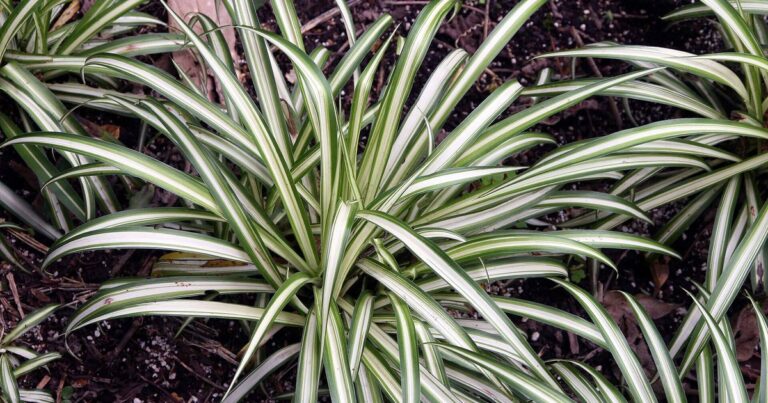
1. Spider Plant (Chlorophytum comosum) — ASPCA Non-Toxic ✅
The spider plant is the MVP of pet-safe houseplants. Nearly impossible to kill, gorgeous in a hanging basket, and produces trailing babies (spiderettes) that propagate for free. The ASPCA confirms spider plant is non-toxic to cats and dogs. Some cats chew the spiderettes — a mild compound in the plant produces a very weak catnip-like effect — but ingestion causes nothing worse than mild stomach upset.
| Light | Water | Humidity | Difficulty |
|---|---|---|---|
| Bright to medium indirect | When top inch is dry | Average | Very easy |
→ Buy on Amazon: Bonnie Curly Spider Plant | Glass Plant Propagation Stations Plants | Costa Farms Clean Air White
For a complete growing guide, see our Spider Plant Care Guide or our full list of 15 pet-safe houseplants.
2. Boston Fern (Nephrolepis exaltata) — ASPCA Non-Toxic ✅
Lush, dramatic, and deeply satisfying. The ASPCA confirms Boston fern is non-toxic to cats and dogs. They need humidity — a bathroom windowsill is ideal — but once you get the watering routine down, they are incredibly rewarding. Your cat will bat at those arching fronds. That is fine.
| Light | Water | Humidity | Difficulty |
|---|---|---|---|
| Bright indirect | Keep consistently moist | High (50%+) | Medium |
→ Buy on Amazon: Exo Terra Boston Terrarium Medium | Garden Elements Classic Boston Plant | Fertilizer Ruffles Compacta
See our complete Boston Fern care guide before buying — humidity requirements are real.
3. Calathea / Prayer Plant (Calathea spp.) — ASPCA Non-Toxic ✅
Calathea is one of the most visually stunning pet-safe plants available. The patterned leaves — deep greens, purples, pinks — fold upward at night like hands in prayer. The ASPCA lists calathea as non-toxic to cats and dogs. They are particular about water quality and humidity, but the visual payoff is spectacular.
| Light | Water | Humidity | Difficulty |
|---|---|---|---|
| Low to medium indirect | Moist, never soggy | High (50%+) | Medium-high |
→ Buy on Amazon: Rattlesnake Calathea Live Plant Lancifolia | Stromanthe Triostar Colorful Calathea Houseplant | JM BAMBOO Calathea Plants
4. Parlor Palm (Chamaedorea elegans) — ASPCA Non-Toxic ✅
One of the few palms the ASPCA confirms is non-toxic to cats and dogs. Parlor palms are elegant, slow-growing, and one of the best low-light houseplants available. They bring tropical, architectural presence to any room without the toxicity risk of trendy alternatives like monstera.
| Light | Water | Humidity | Difficulty |
|---|---|---|---|
| Low to medium indirect | When top 2 inches dry | Average to high | Easy |
→ Buy on Amazon: Costa Farms Clean Collection Assorted | Thorsens Greenhouse Neanthe Purifier Diameter | Costa Farms Neanthe 16 Inches
Give Your Plants the Best Chance: Grow Lights
Spider plants, calathea, and parlor palms all tolerate lower light but thrive with more. In darker homes or during winter, a full-spectrum LED grow light makes a noticeable difference in growth and color. Full-spectrum grow lights on Amazon — Aokrean Spectrum Adjustable Spectrums Brightness | LPMZMBL Lights Spectrum Growing Timer.
What to Avoid at the Same Time
Monstera, pothos, ZZ plant, and snake plant are all trendy, popular, and widely available on Amazon — and all ASPCA-toxic to pets. Before you shop, read our breakdown: 10 most toxic houseplants for cats and dogs.
Frequently Asked Questions
Are all plants labeled “pet-safe” on Amazon actually safe?
“Pet-safe” is not a regulated term. Sellers use it loosely. Always verify using the ASPCA database with the plant’s full botanical name. Common names are unreliable — “dumb cane,” “elephant ear,” and “Chinese evergreen” all refer to different plants depending on who you ask.
Is it safe to order live plants on Amazon?
Generally yes — many reputable nurseries sell through Amazon. Check seller ratings and reviews, look for well-established plants (not tiny seedlings), and order in mild weather when possible. Summer heat and winter cold can stress plants in transit.
My cat ate a leaf off my new spider plant. Should I be worried?
Spider plants are ASPCA non-toxic. A small amount might cause mild stomach upset but is not dangerous. Monitor for excessive vomiting or lethargy. If concerned: ASPCA Poison Control (888) 426-4435 or your vet. See: what to do if your pet eats a plant.
What is a pet-safe alternative to monstera?
Parlor palm fills the same large, tropical visual role as monstera — without any toxicity risk. Calathea gives you dramatic patterned foliage similar to some pothos varieties. Spider plant is the best trailing alternative to pothos. See our full 15 pet-safe houseplants guide.
Start with the spider plant if you are new — the most forgiving of this bunch, and your cat will love the spiderettes hanging down.
Get the free pet-safe plant checklist
One email when a new ASPCA-verified guide goes live. No spam, unsubscribe anytime.