Aesthetic Pet-Safe Plants That Make Your Room Look Expensive
This post contains affiliate links. If you buy through them, I earn a small commission at no extra cost to you. As an Amazon Associate I earn from qualifying purchases.
Okay so you want your room to look like a Pinterest board, but you also have a cat who treats every leaf like a personal snack. Been there. The good news: you can absolutely have the cozy plant-filled aesthetic and keep your pet safe — you just have to pick the right plants. No cap, half the plants influencers post are lowkey toxic.
Here are the aesthetic pet-safe plants that actually deliver the vibe, all cross-checked against the ASPCA plant database before they made the list. Save this one.
1. Money Tree — the it-girl statement plant
If you want ONE plant that makes your space look expensive, it’s the money tree (Pachira aquatica). That braided trunk? Elite. It reads “I have my life together” even if you very much do not.
Best part: the ASPCA lists the money tree as non-toxic to cats and dogs. So it can sit right on the floor as a statement piece and your cat can be its weird little self next to it. It likes bright indirect light and a drink when the top inch of soil dries out — that’s basically the whole assignment.
A live, braided-trunk money tree that ships ready to be the main character of your room. ASPCA non-toxic, low-drama care, instant “expensive apartment” energy.
Check price on Amazon →2. Parlor palm — low-light bestie
Got a room that gets basically zero sun? The parlor palm doesn’t care. It’s one of the only genuinely pretty plants that thrives in low light, and it gives soft, feathery, tropical vibes. ASPCA-verified safe, too. It’s giving effortless. Full details in the parlor palm care guide.
3. Calathea — the one with the patterns
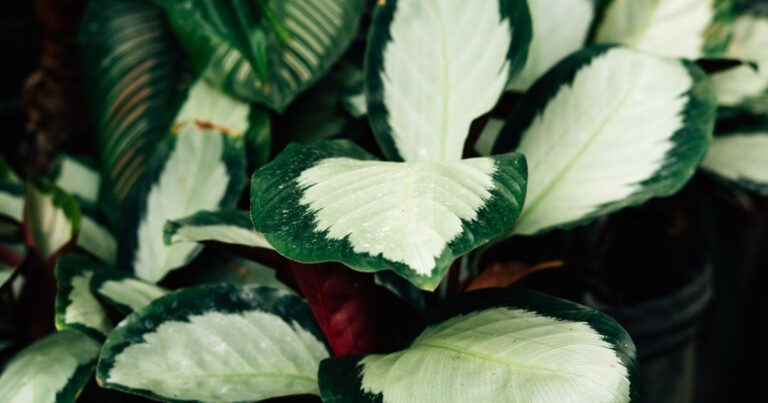
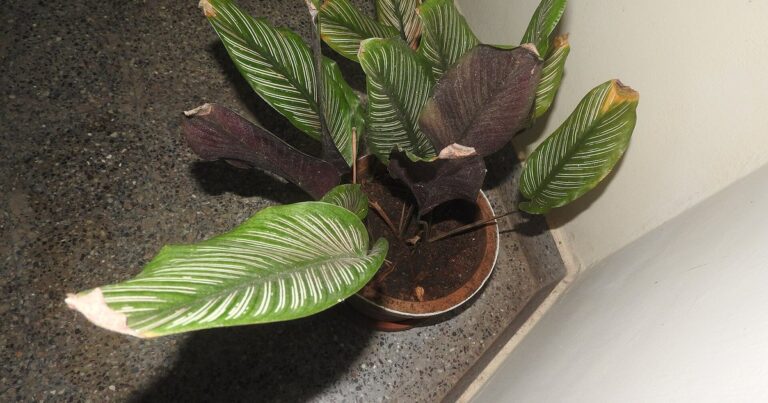
Calatheas are the plants that look like someone hand-painted them. Pinstripes, purple undersides, the whole aesthetic. They’re a little needy about humidity and filtered water, but the payoff is unreal. Also pet-safe. See the calathea care guide or our Boston fern vs calathea breakdown.
4. Boston fern — cottagecore energy
If your aesthetic is soft, green, and a little whimsical, the Boston fern is your girl. Full, cascading, perfect in a hanging planter. It wants humidity (bathroom plant, anyone?) and it’s completely non-toxic.
5. Spider plant — literally unkillable
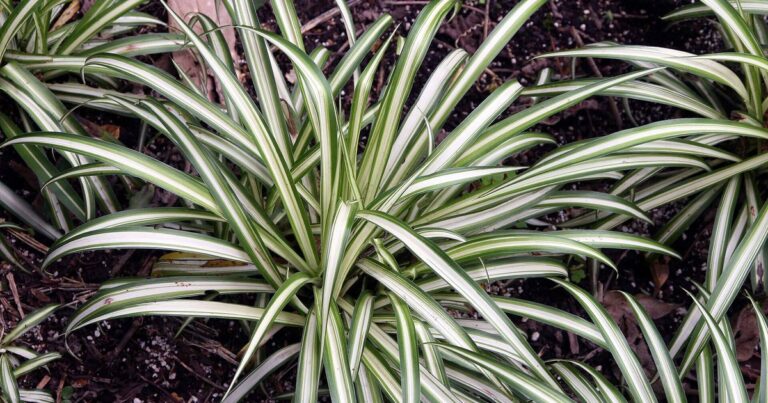
New to plants? Start here. The spider plant survives neglect, low light, forgotten waterings — all of it. It grows little baby “pups” you can pot up and give to friends (free plants!!). ASPCA non-toxic, though fair warning: cats find the dangly leaves very entertaining.
The safety rules (read this)
Even with safe plants, keep it cute AND smart:
- Non-toxic ≠ snack. Any plant eaten in bulk can cause a mild upset tummy. Safe just means no actual poison.
- Always check the tag. Some plants get sold under the wrong name. When in doubt, look up the botanical name on the ASPCA site.
- Skip the toxic “it” plants. Monstera, pothos, ZZ, snake plant — all over your FYP, all toxic. See the toxic houseplants list before you buy.
FAQ
Are these plants actually safe if my cat bites one?
Yep — all five are ASPCA non-toxic to cats and dogs. A big binge might cause mild stomach upset, but there’s no poison involved.
Which one is best for a dark apartment?
The parlor palm, hands down. It genuinely tolerates low light. Spider plants and money trees also handle less-than-ideal light like champs.
What’s the lowest-maintenance pick?
Spider plant. It’s basically impossible to kill and perfect for first-time plant parents.
Is the money tree really pet-safe?
Yes. The ASPCA lists Pachira aquatica as non-toxic to cats and dogs. Just don’t let your pet treat the soil like a litter box.
The bottom line
You don’t have to choose between a cute space and a safe pet — this whole list slaps on both. Start with the money tree if you want instant expensive energy, or the parlor palm if your room is a cave. Either way, you’re covered.
Keep the momentum: browse all our ASPCA-verified pet-safe houseplants and grab a low-light pick next.
Sources
- ASPCA — Money Tree (non-toxic)
- ASPCA — Parlor Palm (non-toxic)
- ASPCA — Toxic and Non-Toxic Plants database
Written by Mo Ruman, a self-taught plant parent who cross-checks every plant against the ASPCA database. Not a vet — when in doubt, call yours. More about Kijani Paws · Ask me about a plant. As an Amazon Associate, Kijani Paws earns from qualifying purchases; this never affects our safety info.
Get the free pet-safe plant checklist
One email when a new ASPCA-verified guide goes live. No spam, unsubscribe anytime.