Indoor Plants Safe for Cats: ASPCA-Verified Guide (With Buy Links)
This post contains affiliate links. If you buy through them, I earn a small commission at no extra cost to you. As an Amazon Associate I earn from qualifying purchases.
Cats and houseplants are a notoriously complicated combination. Cats chew plants out of curiosity, boredom, and instinct — and a surprising number of popular houseplants are genuinely dangerous to them. This guide focuses specifically on cats: why they interact with plants, which plants are ASPCA-verified safe, which are particularly risky for felines, and how to build a cat-friendly indoor garden. All safety classifications are from the ASPCA Toxic and Non-Toxic Plants database. If your cat eats a plant and you are unsure: ASPCA Poison Control (888) 426-4435.
Why Cats Chew Houseplants
Cats chew plants for several reasons: texture curiosity (especially trailing or feathery leaves), instinctive fiber-seeking behavior (cats in the wild eat grass), boredom, and in some cases a genuine attraction to specific plant compounds. Spider plant spiderettes contain compounds that produce a very mild catnip-like effect — cats actively seek these out. Understanding why your cat chews plants helps you manage it: give them safe plants to chew (cat grass, spider plant), keep toxic ones out of reach entirely, and enrich their environment to reduce boredom-driven plant destruction.
Best Indoor Plants Safe for Cats (ASPCA Verified)
1. Spider Plant (Chlorophytum comosum) ✅
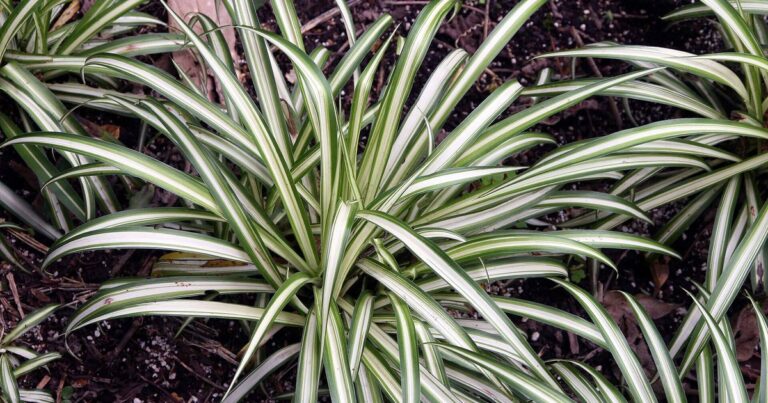
The single best plant for cat households. The ASPCA confirms spider plant is non-toxic to cats. Many cats are actively attracted to chewing the spiderettes — the trailing babies contain mildly euphoric compounds. While excessive eating may cause mild stomach upset, it is not dangerous. This makes spider plant almost uniquely useful: it is something your cat can safely chew on, which may reduce their interest in your other plants.
→ Buy on Amazon: Bonnie Curly Spider Plant | Glass Plant Propagation Stations Plants | Costa Farms Clean Air White
Full care guide: Spider Plant Care Guide
2. Boston Fern (Nephrolepis exaltata) ✅
ASPCA confirmed non-toxic to cats. The dramatic arching fronds will absolutely attract your cat’s attention — expect batting and occasional nibbling. This is fine. Boston ferns are lush, humidity-loving, and genuinely beautiful in a hanging basket where cats can admire (and occasionally torment) them.
→ Buy on Amazon: Exo Terra Boston Terrarium Medium | Garden Elements Classic Boston Plant | Fertilizer Ruffles Compacta
Before buying: Boston Fern care guide — humidity is the key.
3. Calathea / Prayer Plant (Calathea spp.) ✅
ASPCA confirmed non-toxic to cats. Calathea’s broad, patterned leaves are particularly attractive to cats who enjoy pushing things off surfaces (the leaves flutter satisfyingly). The dramatic patterning and night-time leaf movement make calathea one of the most visually interesting safe plants for cats to share a space with.
→ Buy on Amazon: Rattlesnake Calathea Live Plant Lancifolia | Stromanthe Triostar Colorful Calathea Houseplant | JM BAMBOO Calathea Plants
4. Parlor Palm (Chamaedorea elegans) ✅
ASPCA confirmed non-toxic to cats. Parlor palm’s upright fronds are less attractive to cats than trailing or feathery plants — which actually makes it easier to keep pristine. It fills the same large, tropical visual role as monstera or snake plant without any toxicity risk. Cats occasionally chew the fronds but generally lose interest quickly.
→ Buy on Amazon: Costa Farms Clean Collection Assorted | Thorsens Greenhouse Neanthe Purifier Diameter | Costa Farms Neanthe 16 Inches
Give Your Cat a Safe Plant of Their Own: Cat Grass
One of the most effective ways to reduce cat interest in your other houseplants is to provide cat grass — a dedicated plant they are allowed to chew freely. Cat grass is typically wheatgrass, oat grass, or barley grass: all ASPCA non-toxic, all actively beneficial to cats (aids digestion, provides natural fiber). When your cat has their own plant to chew, they are less likely to target your calathea.
See our best cat grass kits review for the top grow-your-own options.
Plants That Are Especially Dangerous for Cats
Some plants are more dangerous to cats specifically than they are to dogs — either because cats are more likely to encounter them or because cats have a different metabolic sensitivity:
| Plant | Risk Level for Cats | Symptoms |
|---|---|---|
| Lily (Lilium and Hemerocallis spp.) | 🚨 CRITICAL — can be fatal | Acute kidney failure; even pollen contact is dangerous |
| Pothos (Epipremnum aureum) | ⚠️ Toxic | Oral irritation, drooling, vomiting; common because of trailing vines at cat height |
| Monstera (Monstera deliciosa) | ⚠️ Toxic | Oral irritation, calcium oxalate crystals, vomiting |
| Snake Plant (Dracaena trifasciata) | ⚠️ Toxic | Nausea, vomiting, diarrhea |
| ZZ Plant (Zamioculcas zamiifolia) | ⚠️ Toxic | Oral irritation, vomiting |
Important note on lilies: True lilies (Lilium species — Easter lily, tiger lily, Asiatic lily) and daylilies (Hemerocallis) are among the most dangerous plants a cat can encounter. Even small amounts — a single leaf, or even pollen groomed off their coat — can cause acute kidney failure in cats. Never bring lilies into a home with cats. Dogs are not as severely affected by the same lily species.
More on toxic plants: 10 toxic houseplants to avoid and what to do if your cat eats a plant.
Practical Tips for Cat-Proofing Your Plant Collection
Even with non-toxic plants, some cats are persistent and destructive. A few approaches that actually work:
- Height matters. Cats are persistent climbers, but hanging planters and high shelves reduce casual chewing incidents significantly. Spider plants in hanging baskets are ideal — the spiderettes hang temptingly but the main plant stays safer up high.
- Give them an alternative. A pot of cat grass at floor level redirects chewing instinct away from your other plants.
- Texture deterrents. Cats dislike citrus scent and crinkly textures. Placing orange peel near plant bases or using textured mats around planters deters many cats.
- Self-watering planters. Heavier ceramic self-watering planters are harder for cats to knock over. See our self-watering planter review.
Frequently Asked Questions
What is the safest indoor plant for a home with cats?
Spider plant. It is ASPCA confirmed non-toxic to cats, many cats enjoy chewing the spiderettes without harm, and it is one of the easiest houseplants to grow. It is a near-perfect cat household plant.
Is pothos safe for cats?
No. The ASPCA classifies pothos (Epipremnum aureum) as toxic to cats. The trailing vines are particularly attractive to cats. Despite being the most commonly recommended beginner plant, pothos should not be grown where cats have access. Spider plant is the best trailing alternative.
Are all palms safe for cats?
No — “palm” is used loosely. Parlor palm, areca palm, and ponytail palm are ASPCA non-toxic to cats. However, sago palm (Cycas revoluta) is classified as a cycad — not a true palm — and is extremely toxic, potentially fatal to cats. Always verify by botanical name.
My cat ate part of my spider plant. Do I need to call the vet?
Spider plant is ASPCA non-toxic to cats. A small amount causes at most mild stomach upset. Monitor for excessive vomiting or unusual lethargy. If concerned: your vet or ASPCA Poison Control (888) 426-4435. For any plant where you are unsure of the identity, call immediately. See our emergency guide.
The short version: build your cat-accessible plant collection around spider plant, calathea, Boston fern, and parlor palm. Keep any toxic plants behind closed doors or out of your home entirely. Give your cat a pot of cat grass at floor level and they will be significantly less interested in the rest of your plants.
Get the free pet-safe plant checklist
One email when a new ASPCA-verified guide goes live. No spam, unsubscribe anytime.