Names of Indoor Plants: Common Names, Botanical Names, and Pet Safety
This post contains affiliate links. If you buy through them, I earn a small commission at no extra cost to you. As an Amazon Associate I earn from qualifying purchases.
One of the most confusing things about houseplants: the same plant can have four different common names depending on who you ask, and the common name tells you nothing about whether it is safe for your pets. This guide lists the most popular indoor plants by common name and botanical name, with ASPCA pet safety status clearly labeled for every single one. All toxicity classifications are from the ASPCA database. If your pet eats any plant and you are unsure, call ASPCA Poison Control: (888) 426-4435.
Why Botanical Names Matter for Pet Safety
Common names are unreliable. “Elephant ear” refers to at least three different plant genera with different toxicity profiles. “Chinese evergreen” is another name for aglaonema — toxic. “Dumb cane” is dieffenbachia — highly toxic. The ASPCA database searches by botanical name. When you buy a plant online or in a store, always look up the full botanical name before bringing it home. Common names printed on nursery tags are not standardised and should never be your only source of safety information.
Common Indoor Plants: Names and Pet Safety Status
Pet-Safe Indoor Plants (ASPCA Non-Toxic to Cats & Dogs)
| Common Name | Botanical Name | Safety | Buy on Amazon |
|---|---|---|---|
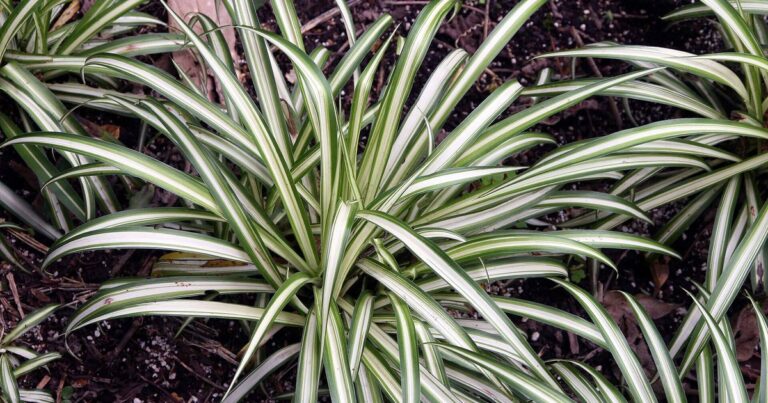
| Spider Plant | Chlorophytum comosum | ✅ Non-toxic | Buy |
| Boston Fern | Nephrolepis exaltata | ✅ Non-toxic | Buy |
| Calathea / Prayer Plant | Calathea spp. | ✅ Non-toxic | Buy |
| Parlor Palm | Chamaedorea elegans | ✅ Non-toxic | Buy |
| African Violet | Saintpaulia ionantha | ✅ Non-toxic | — |
| Orchid | Phalaenopsis spp. | ✅ Non-toxic | — |
| Cast Iron Plant | Aspidistra elatior | ✅ Non-toxic | — |
| Money Tree | Pachira aquatica | ✅ Non-toxic | — |
| Ponytail Palm | Beaucarnea recurvata | ✅ Non-toxic | — |
| Peperomia | Peperomia spp. | ✅ Non-toxic | — |
| Hens and Chicks | Sempervivum tectorum | ✅ Non-toxic | — |
| Haworthia | Haworthia spp. | ✅ Non-toxic | — |
| Polka Dot Plant | Hypoestes phyllostachya | ✅ Non-toxic | — |
| Friendship Plant | Pilea involucrata | ✅ Non-toxic | — |
| Christmas Cactus | Schlumbergera spp. | ✅ Non-toxic | — |
Indoor Plants That Are TOXIC to Cats & Dogs (ASPCA Verified)
| Common Name | Botanical Name | Safety | Buy on Amazon |
|---|---|---|---|
| Monstera / Swiss Cheese Plant | Monstera deliciosa | ⚠️ Toxic | Buy (no pets) |
| Pothos / Golden Pothos / Neon Pothos | Epipremnum aureum | ⚠️ Toxic | Buy (no pets) |
| ZZ Plant / Black Raven ZZ | Zamioculcas zamiifolia | ⚠️ Toxic | Buy (no pets) |
| Snake Plant / Mother-in-Law’s Tongue | Dracaena trifasciata | ⚠️ Toxic | Buy (no pets) |
| Peace Lily | Spathiphyllum spp. | ⚠️ Toxic | — |
| Philodendron | Philodendron spp. | ⚠️ Toxic | — |
| Dumb Cane | Dieffenbachia spp. | ⚠️ Toxic | — |
| Chinese Evergreen | Aglaonema spp. | ⚠️ Toxic | — |
| Rubber Plant / Rubber Tree | Ficus elastica | ⚠️ Toxic | — |
| Aloe Vera | Aloe barbadensis miller | ⚠️ Toxic | — |
| Jade Plant | Crassula ovata | ⚠️ Toxic | — |
| Sago Palm | Cycas revoluta | 🚨 Highly toxic — emergency | — |
⚠️ Sago palm deserves a special note: This is one of the most dangerous plants a pet can ingest. Even small amounts can cause severe liver failure and is potentially fatal. Never bring sago palm into a home with cats or dogs.
Plant Name Confusion: Common Examples
These naming confusions cause real safety mistakes — worth knowing:
- “Dracaena” vs “Dracaena / Snake Plant”: Most Dracaena species are ASPCA toxic. “Dracaena fragrans” (corn plant), “Dracaena marginata” (dragon tree), and others are all toxic. The ASPCA recently reclassified Sansevieria under Dracaena — snake plant is now officially Dracaena trifasciata.
- “Palm” doesn’t mean safe: Sago palm (Cycas revoluta) is not a true palm — it’s a cycad and is highly toxic. Most true palms (parlor palm, areca palm, cat palm, ponytail palm) are non-toxic. Always verify by botanical name.
- “Prayer plant” vs “calathea”: These terms are used interchangeably but refer to different plants in the same family. Both Maranta (true prayer plant) and Calathea are ASPCA non-toxic.
- “Pothos” varieties: Golden pothos, neon pothos, marble queen pothos, satin pothos — all Epipremnum aureum varieties, all ASPCA toxic. The variety name doesn’t change the toxicity.
Where to Buy Pet-Safe Indoor Plants
All ASPCA-verified non-toxic plants listed above are available on Amazon from reputable nurseries. Our top picks:
- Spider Plant — easiest, most forgiving
- Boston Fern — best for humidity
- Calathea — most visually dramatic
- Parlor Palm — best large pet-safe statement plant
For a full buying guide with multiple options for each: our pet-safe houseplant Amazon guide. For a complete list of 15 options: 15 ASPCA-verified pet-safe houseplants.
Frequently Asked Questions
What is the most common indoor plant name people search for?
Monstera, pothos, and snake plant are consistently among the most-searched indoor plant names — and all three are ASPCA toxic to cats and dogs. Spider plant, calathea, and Boston fern are the top pet-safe alternatives.
Are all ferns safe for cats?
No — “fern” is a broad category covering many unrelated plants. True ferns (Nephrolepis, Adiantum, Asplenium) are generally ASPCA non-toxic. However, “asparagus fern” (Asparagus setaceus) is ASPCA toxic, and so is “foxtail fern.” Always verify by botanical name, not just “fern.”
Is aloe vera toxic to cats?
Yes — the ASPCA classifies aloe vera (Aloe barbadensis) as toxic to cats and dogs. The gel inside aloe is fine for human skin use, but the plant contains compounds (saponins, anthraquinones) that cause vomiting, diarrhea, and lethargy in pets when ingested.
Bookmark this page as a reference. When you are about to buy a plant and want to know quickly whether it is safe: search the ASPCA database by the botanical name shown on the nursery tag.
Get the free pet-safe plant checklist
One email when a new ASPCA-verified guide goes live. No spam, unsubscribe anytime.