Best Indoor Plant Pots With Drainage (Pet-Owner Guide)
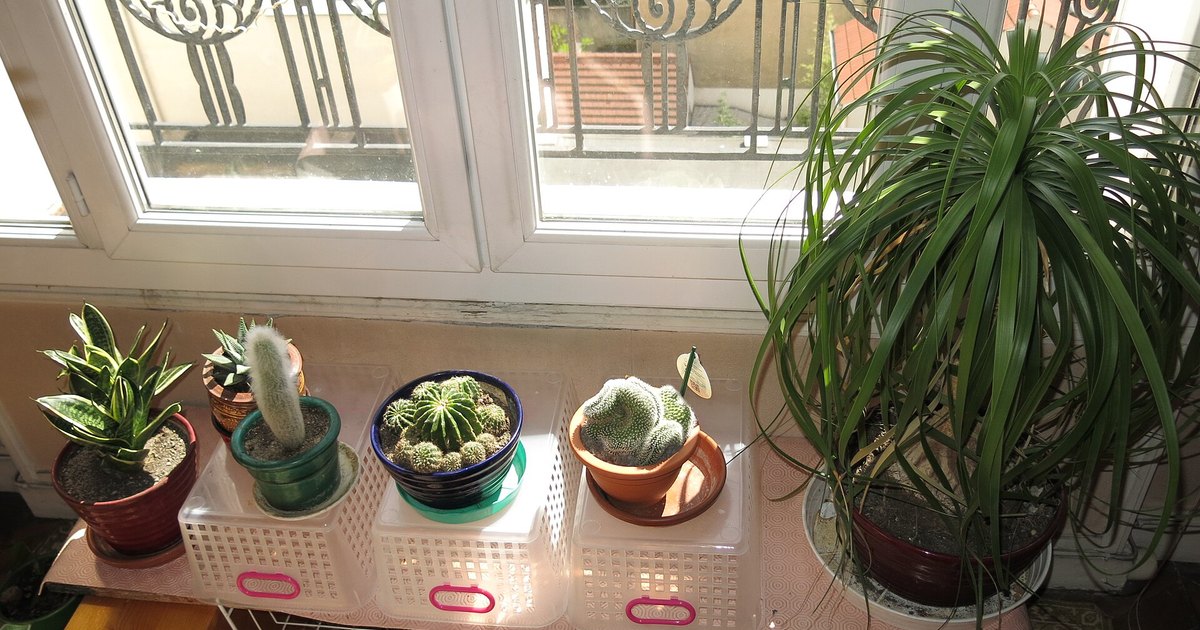
Why the pot matters more than you think
Real talk: the wrong pot kills more plants than bad light. The top reason? No drainage.
Without a drain hole, water pools at the bottom. The roots sit and rot. So rule one is simple: buy pots with a hole.
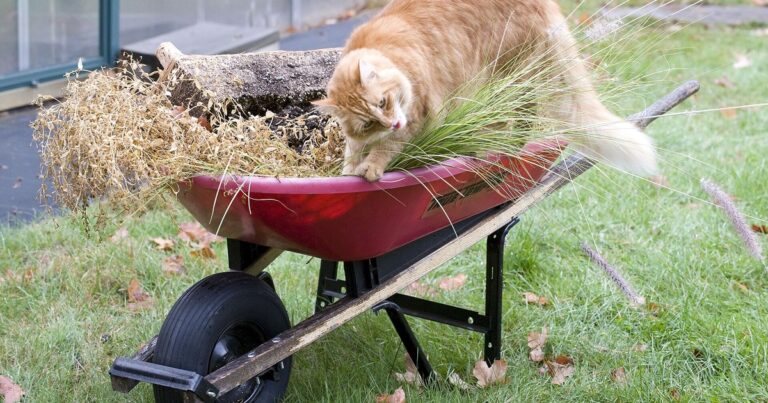
For pet homes, there is a second rule. Pick a pot that does not tip. A heavy, wide base beats a tall, skinny one when a curious cat comes by.
What to look for
- A drain hole. This is a must. Add a saucer to catch the runoff.
- A stable shape. Wide and low beats tall and tippy in a pet home.
- The right type. Terracotta dries fast. Ceramic and plastic hold water.
- The right size. Go one size up from the plant. Too big stays soggy.
- Easy to clean. Smooth pots wipe down fast after a spill.
My top pot picks
Best all-rounder
A glazed ceramic pot with a hole is the safe default. A set like the Mkono Ceramic Pots with Drainage looks clean, comes with saucers, and has the weight to stay upright. A great match for most houseplants.
Best for thirsty-root plants
Some plants hate wet feet. Terracotta is your friend here. A classic terracotta pot with a saucer breathes and dries fast. It is cheap, heavy, and hard to tip.
Best for busy waterers
Forget to water? Let the pot help. A self-watering pot has a tank that sips up water as needed. Less guesswork. Fewer dead plants. Just refill it now and then.
Best on a budget
Starting a collection? Keep it cheap. Plain plastic nursery pots drain well and cost almost nothing. Drop them inside a prettier cover pot if you like. Perfect for new cuttings.
A quick pet-safety note
The pot is safe. The soil add-ins are what to watch.
- Keep fertilizer and plant food sealed. Store it out of reach. Many upset a pet’s stomach.
- Top the soil with stones if your cat digs or your dog snacks on dirt.
- Set heavy pots low and light pots high, so a knock does less harm.
The bottom line
Buy pots with a drain hole. Pick stable shapes for a pet home. Match the type to the plant, and you will lose far fewer plants to rot.
Now fill them with something safe. My spider plant and calathea guides are a good place to start, or browse the full pet-safe plant list. Shopping for tall plants? A hanging planter keeps them out of reach.
Sources
Written by Mo Ruman, a self-taught plant parent who cross-checks every plant against the ASPCA database. Not a vet — when in doubt, call your vet. More about Kijani Paws · Ask me anything.
Get the free pet-safe plant checklist
One email when a new ASPCA-verified guide goes live. No spam, unsubscribe anytime.