Best Smart Indoor Gardens for Apartments (Good, Better, Best)
This post contains affiliate links. If you buy through them, I earn a small commission at no extra cost to you. As an Amazon Associate I earn from qualifying purchases.
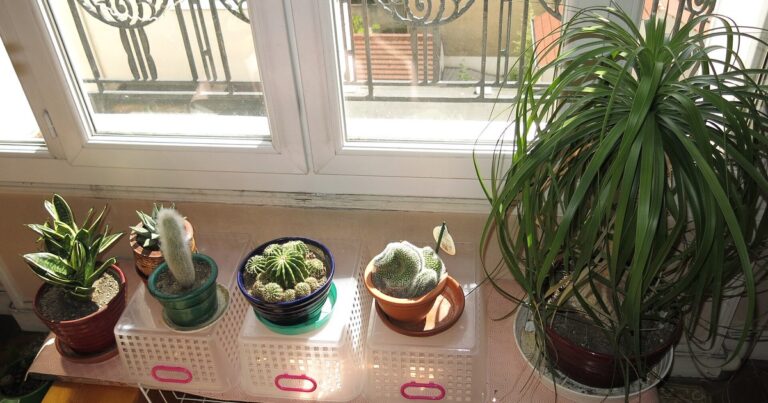
No yard, barely any sun, and you still want fresh herbs and greens? That’s exactly what a smart indoor garden is for. They’re basically self-watering, self-lighting hydroponic setups that grow food on your countertop. Here’s the honest Good / Better / Best breakdown for apartment life — and a note on keeping them pet-safe.
How smart gardens work
You drop in seed pods, fill the water reservoir, and the system handles the rest — LED grow lights on a timer, water and nutrients delivered automatically. No soil, no green thumb, no guessing. Reviewers at CNN Underscored and Bob Vila have tested the major systems head-to-head; the three below are the standouts at each tier.
GOOD — Click & Grow Smart Garden
The easiest entry point. The Click & Grow Smart Garden 3 (or 9) is compact, genuinely no-fuss, and perfect for renters and beginners who just want fresh herbs without a learning curve. It’s consistently rated the best starter smart garden — small footprint, plug-and-grow, hard to mess up.
Compact, foolproof, and affordable — the easiest way to grow herbs on a countertop. Ideal for small kitchens and first-timers.
Check price on Amazon →BETTER — Gardyn Studio 2
Step up in capacity and smarts. Gardyn uses a vertical growing column plus an AI assistant (“Kelby”) and pod recognition to coach you through watering, harvesting, and lighting — so you get a big harvest from a small footprint. It’s the sweet spot for someone who wants more yield and hand-holding without going full farmstand.

A vertical, AI-assisted system that packs a big harvest into a small footprint — great if you want more greens and smart guidance in an apartment.
Check price on Amazon →BEST — Lettuce Grow Farmstand
For maximum harvest, the Lettuce Grow Farmstand (and the apartment-friendly Farmstand Nook) is the closest thing to a real garden indoors. Reviewers consistently rank it top for yield — it grows several times more plants than countertop units. It’s the pick if fresh salad every week is the goal and you’ve got a bit more space.
The highest-yield pick — grows several times more plants than countertop gardens. Best if you want real salad-bowl volume and have the space.
Check price on Amazon →Are they pet-safe?
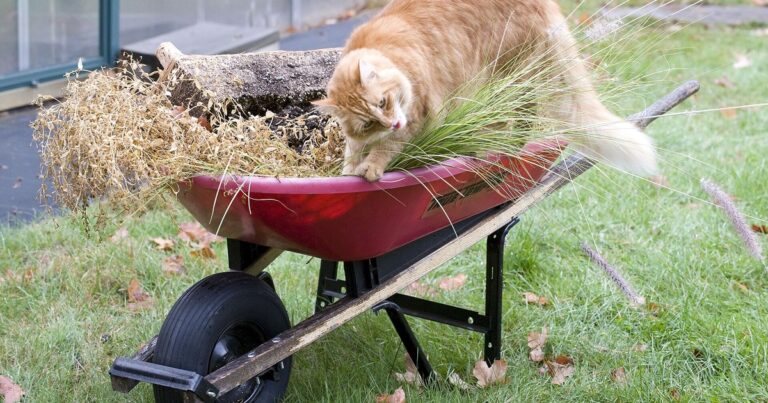
Mostly, with common sense. The systems themselves are fine, but two things to watch in a pet home: what you grow (stick to pet-safe herbs and greens — and know that some, like chives, onions, and garlic, are toxic to pets) and the cords (route them out of chew range). Curious cats may also nibble the greens, which is usually harmless for lettuce/basil but check each plant. More on growing safe greens: how to grow cat grass indoors.
FAQ
Which smart garden is best for a small apartment?
For most renters, the Click & Grow (Good) — it’s compact and foolproof. Want more yield? Gardyn (Better) goes vertical; Lettuce Grow (Best) maxes out harvest.
Do smart gardens actually work?
Yes — they automate light, water, and nutrients, so even beginners get real herbs and greens. Reviewers at CNN Underscored and Bob Vila found the top systems genuinely productive.
Are the greens safe for my cat to nibble?
Lettuce and basil are generally fine, but avoid growing chives, onions, and garlic, which are toxic to pets. Keep cords out of reach too.
How much do they cost to run?
The LEDs are efficient, so running costs are low. Ongoing cost is mostly seed pods and nutrients.
The bottom line
If you want fresh herbs in an apartment: start with Click & Grow (Good) for easy countertop wins, step up to Gardyn (Better) for AI-guided vertical yield, or go Lettuce Grow (Best) for max harvest. Just grow pet-safe greens and hide the cords, and your indoor farm and your cat can coexist.
More: pet-safe smart indoor gardens and our grow lights 101 guide.
Sources
- CNN Underscored — Best Hydroponic Indoor Gardens (tested)
- Bob Vila — Best Indoor Gardens (tested)
- ASPCA — Toxic and Non-Toxic Plants (herbs to avoid)
Written by Mo Ruman. Kijani Paws researches products for pet homes; we’re not vets — for medical concerns, call yours. More about Kijani Paws · Contact. As an Amazon Associate, Kijani Paws earns from qualifying purchases; this never affects our recommendations.
Get the free pet-safe plant checklist
One email when a new ASPCA-verified guide goes live. No spam, unsubscribe anytime.