Pet-Safe Low-Light Plants for Dark Apartments
Pet-safe low light plants are the answer for anyone with a dim apartment, a curious pet, and a love of greenery. This guide covers the best pet-safe low light plants, all ASPCA non-toxic, that actually tolerate shade.
Real talk: a lot of “low light” lists secretly include toxic plants like the peace lily. Not here. Every plant below is both shade-tolerant and safe for cats and dogs.
Why pet-safe low light plants are tricky
Two things have to line up: the plant must tolerate low light, and it must be non-toxic. Plenty of plants do one or the other, but pet-safe low light plants do both.
Many famous low-light plants, like the peace lily and ZZ plant, are toxic. So this list sticks to options the ASPCA confirms are safe for cats and dogs.
The best pet-safe low light plants
These pet-safe low light plants handle shade and keep your pets safe:
- Boston fern: tolerates lower light and loves humidity. Non-toxic and lush. See my Boston fern care guide.
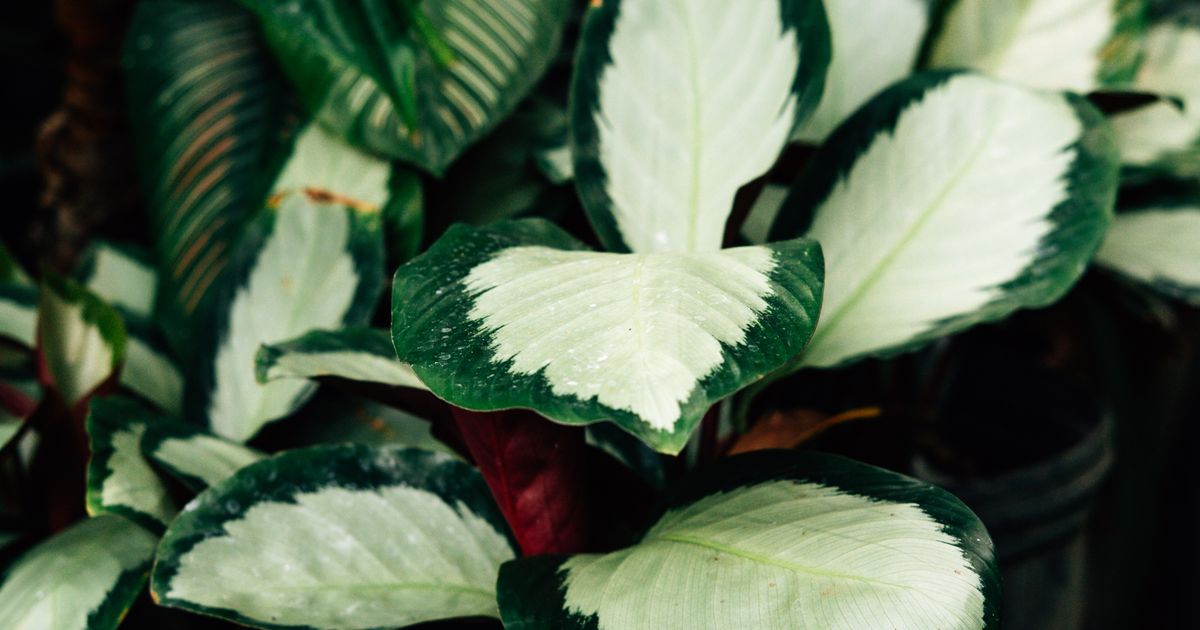
- Calathea: actually prefers indirect, lower light, and the patterns are stunning. Non-toxic. See my calathea care guide.
- Spider plant: handles shade well and is famously easy. Non-toxic to cats and dogs.
- Parlor-style palms: the areca palm tolerates medium-to-lower light and is non-toxic. See my areca palm care guide.
Honestly, the calathea and Boston fern are the stars among pet-safe low light plants because they genuinely like the shade rather than just surviving it.
Care tips for low light
To keep pet-safe low light plants happy in a dim room:
- Water less. Low light means slower growth and slower drying soil, so overwatering is the main risk.
- Rotate the pot every couple of weeks so all sides get what light there is.
- Wipe the leaves so dust does not block what little light reaches them.
- If a corner is truly dark, add a small grow light to give your plants a boost.
The peace lily problem
You will see peace lilies on nearly every low-light list. They are beautiful, but the ASPCA lists them as toxic to cats and dogs, so they are not pet-safe low light plants. We skip them. You are welcome.
The same goes for the ZZ plant and pothos, both toxic. Stick with the safe options above.
Pet-safe low light plants FAQ
What are the best pet-safe low light plants?
Boston fern, calathea, spider plant, and areca palm are top pet-safe low light plants, all ASPCA non-toxic.
Is the ZZ plant a pet-safe low light plant?
No. The ZZ plant tolerates low light but is toxic to pets, so it is not one of the pet-safe low light plants.
Can any plant grow with no light at all?
No plant thrives in total darkness. Even pet-safe low light plants need some indirect light or a grow light.
What is the easiest pet-safe low light plant?
The spider plant. It is forgiving, shade-tolerant, and safe for cats and dogs.
The bottom line
Pet-safe low light plants prove you do not need a sunny window or a pet-free home to grow greenery. Reach for a calathea, Boston fern, or spider plant, skip the toxic peace lily, and your dark corner comes to life safely.
Want more safe picks? See my money tree care guide and pet-safe hanging plants. And check the houseplants poisonous to dogs before you shop.
If your pet ever chews something you are unsure about, here are the signs your pet ate a toxic plant and what to do next.
Sources
Written by Mo Ruman, a self-taught plant parent who cross-checks every plant against the ASPCA database. Not a vet — when in doubt, call your vet. More about Kijani Paws · Ask me about a plant.
Get the free pet-safe plant checklist
One email when a new ASPCA-verified guide goes live. No spam, unsubscribe anytime.


2 Comments
Comments are closed.