Smart Indoor Garden Guide: Grow Pet-Safe Greens at Home
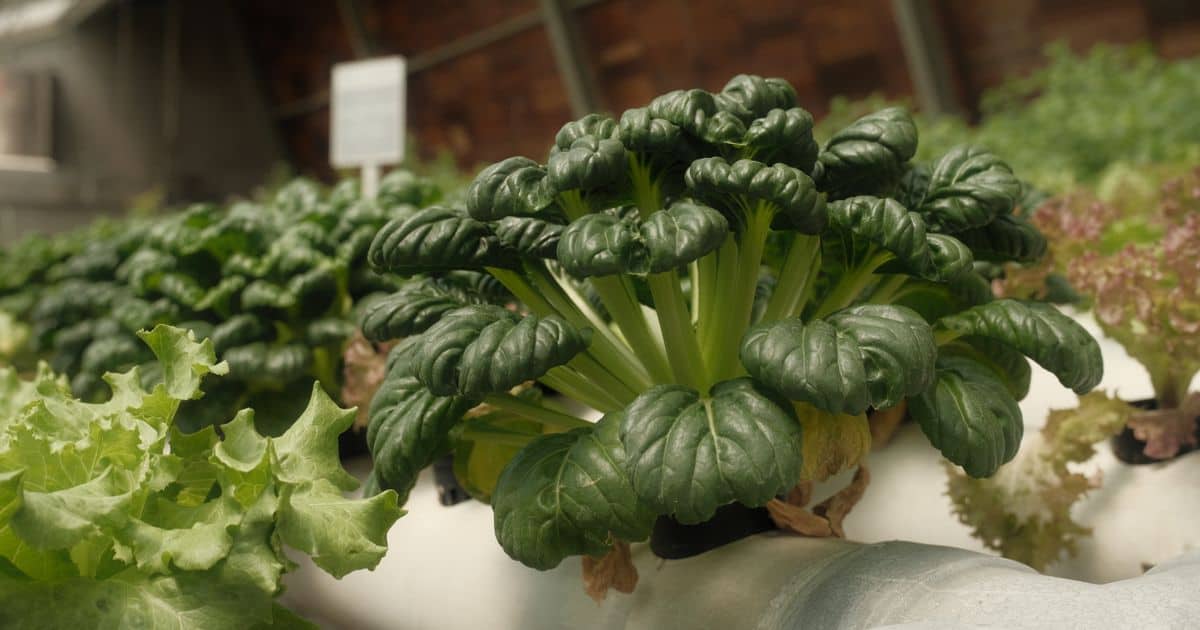
A smart indoor garden is the easiest way to grow fresh herbs and greens at home, even in a tiny apartment with no yard and a curious cat. This guide explains how a smart indoor garden works and how to keep it pet-safe.
Think of it as a self-running countertop farm. Water, light, and feeding are mostly automatic, so even a self-confessed plant killer can grow basil that actually lives.
What is a smart indoor garden?
A smart indoor garden is a compact, soil-free growing system that sits on your counter and runs itself. Most use hydroponics, meaning plants grow in water and nutrients instead of dirt.
The unit pairs a built-in grow light with a small water tank and a timer. You drop in seed pods, add water and plant food, and the smart indoor garden handles the rest. Popular versions include countertop brands like AeroGarden, Click & Grow, and Gardyn.
How a smart indoor garden works
Every smart indoor garden does three jobs for you: light, water, and feeding.
Light. A full-spectrum LED grow light sits above the plants and runs on a timer, usually 14 to 16 hours a day. That replaces sunlight, so a dark apartment is no problem.
Water. Roots sit in or above a water reservoir. The system keeps them hydrated, and a light blinks or an app pings you when the tank runs low.
Feeding. You add liquid nutrients to the water every couple of weeks. There is no soil and almost no mess, which is a big reason pet owners love a smart indoor garden.
Is a smart indoor garden pet-safe?
A smart indoor garden can be very pet-safe, but two things deserve a quick check: the plants you grow and the plant food you use.
First, the plants. Stick to edible herbs and greens that are safe around pets, like basil, cat grass, wheatgrass, lettuce, and parsley. Avoid growing anything the ASPCA lists as toxic. Always verify with the ASPCA Toxic and Non-Toxic Plants database before adding a new plant to your smart indoor garden.
Second, the nutrients. The liquid plant food is not meant to be eaten, so store the bottle out of reach and wipe up spills. Place the unit where a determined cat cannot knock it over, and tuck the cord away so it is not a chew toy.
Honestly, a smart indoor garden is often safer than a row of soil pots, because there is no soil to dig in and no heavy ceramic to topple.
What to grow in a smart indoor garden
The best picks for a pet home are edible and useful. Good pet-safe options for a smart indoor garden include:
- Cat grass and wheatgrass: a safe, healthy chew that pulls your cat away from your other plants.
- Basil, parsley, cilantro, dill: kitchen herbs that are safe around cats and dogs.
- Leafy greens: lettuce and other salad greens grow fast and reliably.
- Mint: grows like a weed and is pet-safe in normal amounts.
Growing cat grass in your smart indoor garden is a clever move. It gives your cat a legal target and protects the rest of your collection.
How to choose a smart indoor garden
When you compare smart indoor garden models, look at a few things:
- Size: how many pods it holds (3 to 12 is typical) and whether it fits your counter.
- Light: a height-adjustable grow light handles both short herbs and taller plants.
- Controls: a simple button timer is fine; app control is a nice extra, not a must.
- Refills: branded seed pods are easy, but check that you can also use your own seeds to save money.
- Stability: a low, sturdy base matters in a home with pets.
Smart indoor garden care tips
- Top up water on schedule: do not wait for the plants to wilt; refill when the indicator says so.
- Feed on time: add nutrients on the system’s schedule for steady growth.
- Trim often: harvesting herbs keeps them bushy and stops them from crowding the light.
- Clean between crops: rinse the tank and base when you start a new round to prevent algae.
- Place it smart: away from the edge of the counter and out of a jumping cat’s flight path.
Smart indoor garden FAQ
Is a smart indoor garden safe for cats and dogs?
Yes, if you grow pet-safe plants and keep the liquid nutrients out of reach. Check every plant against the ASPCA database first.
Can I grow cat grass in a smart indoor garden?
Absolutely. Cat grass and wheatgrass grow quickly and give your cat a safe, healthy snack.
Do I need sunlight for a smart indoor garden?
No. The built-in grow light replaces sunlight, so a smart indoor garden works in a windowless kitchen or basement.
How much maintenance does a smart indoor garden need?
Very little. Top up the water, add nutrients every couple of weeks, and trim the plants. The system handles the daily light and watering.
Is the plant food dangerous to pets?
The concentrated bottle should be stored safely and never given to pets. Once mixed into the tank at normal strength it is low-risk, but keep curious pets out of the reservoir.
The bottom line
A smart indoor garden is a low-effort way to grow fresh, pet-safe greens year-round, no yard or green thumb required. Pick pet-safe plants, store the nutrients safely, and place the unit out of paw’s reach, and you get fresh herbs and a happy cat.
Want plants for the rest of your home too? Start with my money tree care guide and areca palm care guide, both pet-safe. And before you shop, check the two popular plants pet owners should avoid.
If your pet ever chews something you are unsure about, here are the signs your pet ate a toxic plant and what to do next.
Sources
Written by Mo Ruman, a self-taught plant parent who cross-checks every plant against the ASPCA database. Not a vet — when in doubt, call your vet. More about Kijani Paws · Ask me about a plant.
Get the free pet-safe plant checklist
One email when a new ASPCA-verified guide goes live. No spam, unsubscribe anytime.

2 Comments
Comments are closed.