Plants + Pets: The Safety Cheat Sheet (Save This)
The plants-and-pets safety cheat sheet: which houseplants are safe, which are toxic, symptoms to watch for, and exactly who to call. Bookmark this one.
toxic plant warning articles, ingestion guides, ASPCA-reference posts.
The plants-and-pets safety cheat sheet: which houseplants are safe, which are toxic, symptoms to watch for, and exactly who to call. Bookmark this one.

Smart garden systems like AeroGarden, Click & Grow, Lettuce Grow, and Gardyn are safe for pets — but only if you control what you grow. A herb-by-herb ASPCA safety breakdown for pet owners.
Your cat ate a plant — here’s exactly what to do, step by step, when to call the vet or ASPCA poison control, and how to prevent it from happening again.
Know the symptoms of plant poisoning in cats and dogs, how fast they appear, how cats and dogs differ, and when to call the vet or ASPCA poison control.

Step-by-step guide for what to do if your cat or dog eats a toxic plant — including when to call ASPCA Poison Control (888) 426-4435, what symptoms to watch for, and how to prevent it happening again.

Lilies and cats are a deadly mix. True lilies cause kidney failure — even the pollen. Here is what to watch for and the ASPCA number to call right now.
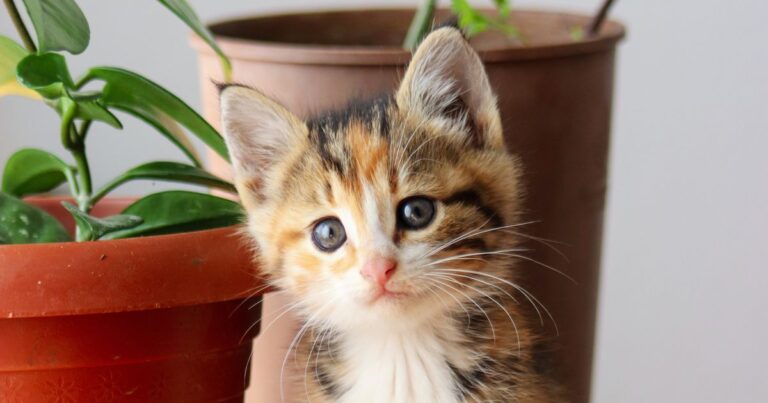
Want to keep cats away from plants? These 9 gentle, vet-friendly tricks protect both your houseplants and your cat, plus pet-safe plant tips.
Know the signs your pet ate a toxic plant — drooling, vomiting, and more — plus the exact steps to take and the ASPCA poison number to call right now.
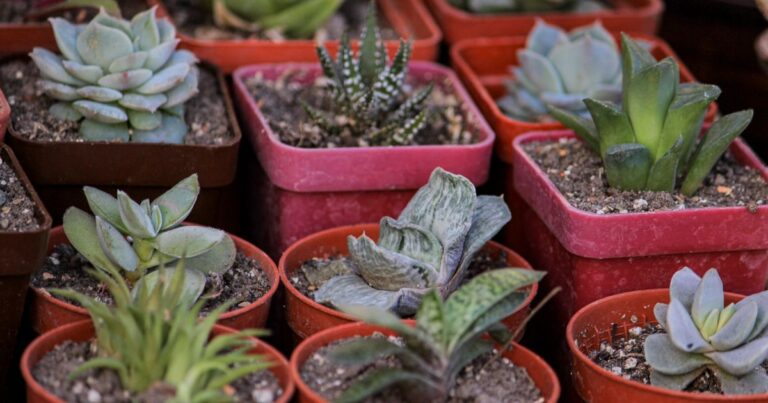
Are succulents safe for cats? Some are, many are not. Here are the succulents safe for cats (haworthia, Christmas cactus) and the toxic ones to avoid.
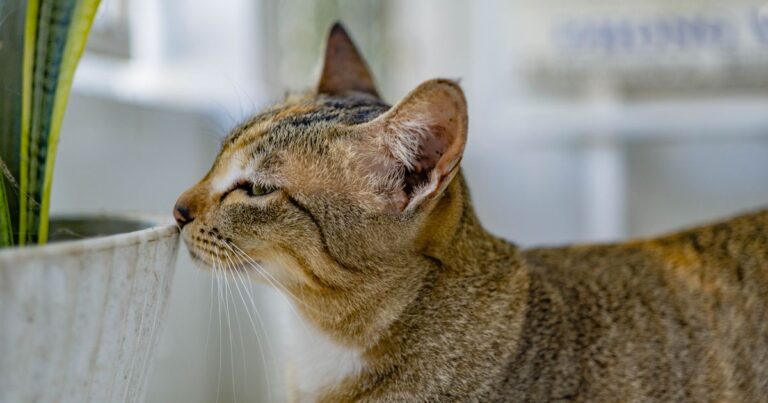
Know the signs of plant poisoning in cats — vomiting, drooling, lethargy and more — plus exactly what to do and the ASPCA number to call.