Grow Lights 101: Keep Your Plants Alive All Winter
Grow lights for indoor plants, explained simply. What PAR and full-spectrum actually mean, how high to hang them, and how to keep plants thriving all winter.
Grow lights for indoor plants, explained simply. What PAR and full-spectrum actually mean, how high to hang them, and how to keep plants thriving all winter.
Brown leaf tips? Learn how to increase humidity for houseplants with pet-safe methods — pebble trays, humidifiers, grouping — without risking your cat or dog.
The easiest indoor plants for beginners that are also ASPCA-confirmed non-toxic to cats and dogs — spider plant, parlor palm, Boston fern, and calathea — with honest care guidance and pet safety context.
The best indoor plants for air quality — spider plant, Boston fern, calathea, and parlor palm — all ASPCA confirmed non-toxic to pets. Plus which famous air-purifying plants to avoid if you have cats or dogs.
Learn how to grow cat grass indoors in about a week. A vet-informed, step-by-step guide to safe greens your cat will love — plus why cats eat grass.
Complete spider plant care guide — light, water, propagation, and why it is the best pet-safe houseplant for beginners. ASPCA confirmed non-toxic to cats and dogs.

Complete care guide for Boston ferns — the classic pet-safe hanging plant that loves humidity. ASPCA verified non-toxic, with tips on watering, humidity, light, and troubleshooting.
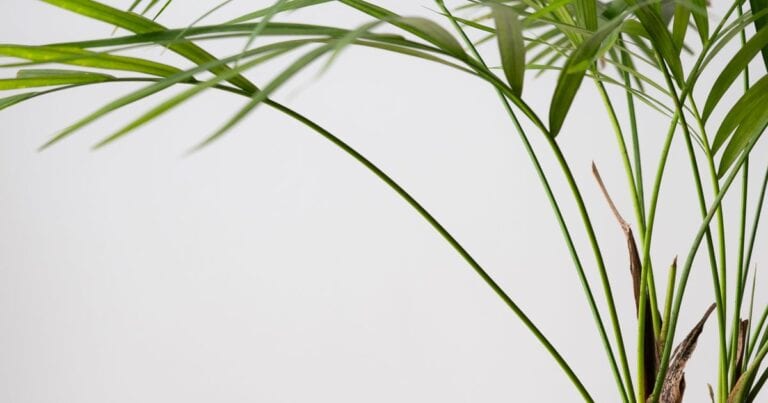
A simple areca palm care guide for pet owners. The areca palm is ASPCA non-toxic to cats and dogs, with easy light, water, and humidity tips.
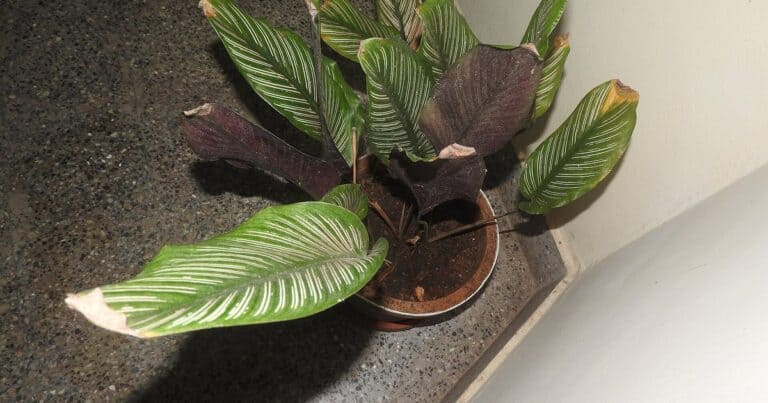
A simple calathea care guide for pet owners. It is ASPCA non-toxic to cats and dogs, and these light, water, and humidity tips keep its leaves bold.
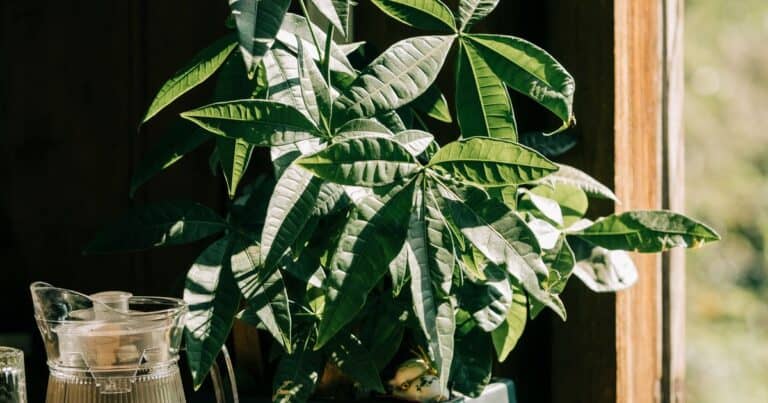
A simple money tree care guide for pet owners. The money tree is ASPCA non-toxic to cats and dogs, with easy light, water, and light tips.