Toxic Succulents for Dogs: 7 to Avoid (and Safe Swaps)
This post contains affiliate links. If you buy through them, I earn a small commission at no extra cost to you. As an Amazon Associate I earn from qualifying purchases.
Succulents are the ultimate low-effort plant flex — tiny, cute, basically impossible to kill. But “hard to kill” doesn’t mean “safe for your dog.” Several of the most Instagram-famous succulents are actually toxic if your pup decides to taste-test one. Here’s the list of succulents to avoid, what a reaction looks like, and the safe swaps that give the same aesthetic without the vet bill.
7 succulents that are toxic to dogs
All of these are flagged as toxic to dogs by the ASPCA and the Pet Poison Helpline:
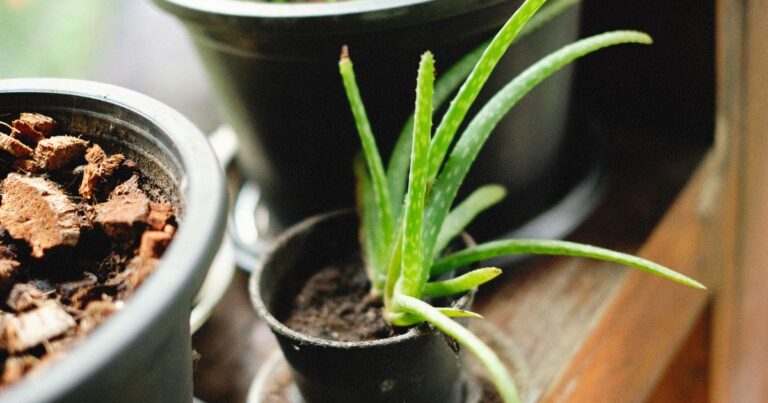
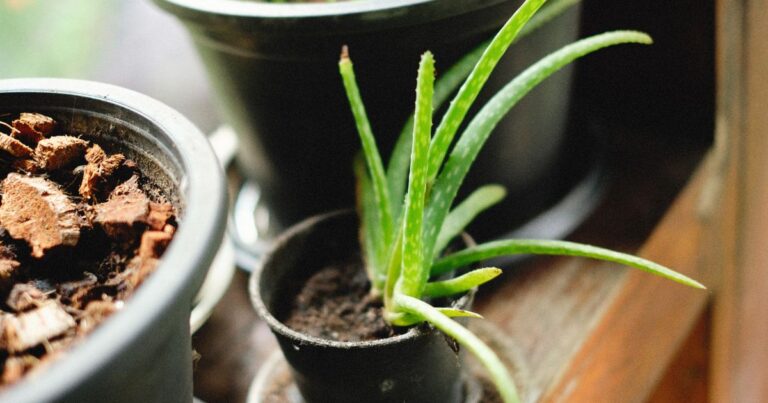
- Aloe vera — the saponins cause vomiting, diarrhea, and lethargy. Ironically the most common “starter” succulent.
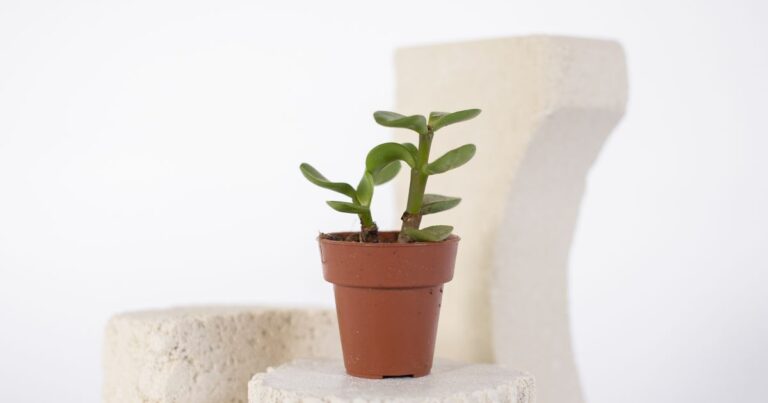
- Jade plant (Crassula) — vomiting, slowed heart rate, depression; cause of toxicity isn’t fully known.
- Kalanchoe — the scary one. Contains cardiac glycosides that can affect heart rhythm. Vomiting is the early sign.
- Snake plant (Sansevieria) — technically a succulent-ish; saponins cause GI upset. More here.
- Panda plant (Kalanchoe tomentosa) — same kalanchoe family risks.
- Pencil cactus (Euphorbia) — toxic milky sap irritates skin, mouth, and eyes.
- String of pearls — causes vomiting, drooling, and skin irritation.
Symptoms to watch for
Most toxic succulents cause GI upset — vomiting, diarrhea, drooling, loss of appetite, and lethargy. The one to take extra seriously is kalanchoe: because it contains cardiac glycosides, a large amount can cause an abnormal heart rhythm. If your dog ate kalanchoe or a Euphorbia species, don’t wait it out — call your vet.
Safe succulents & pet-friendly swaps
Good news: you can keep the minimalist plant-shelf look. These are ASPCA non-toxic to dogs:
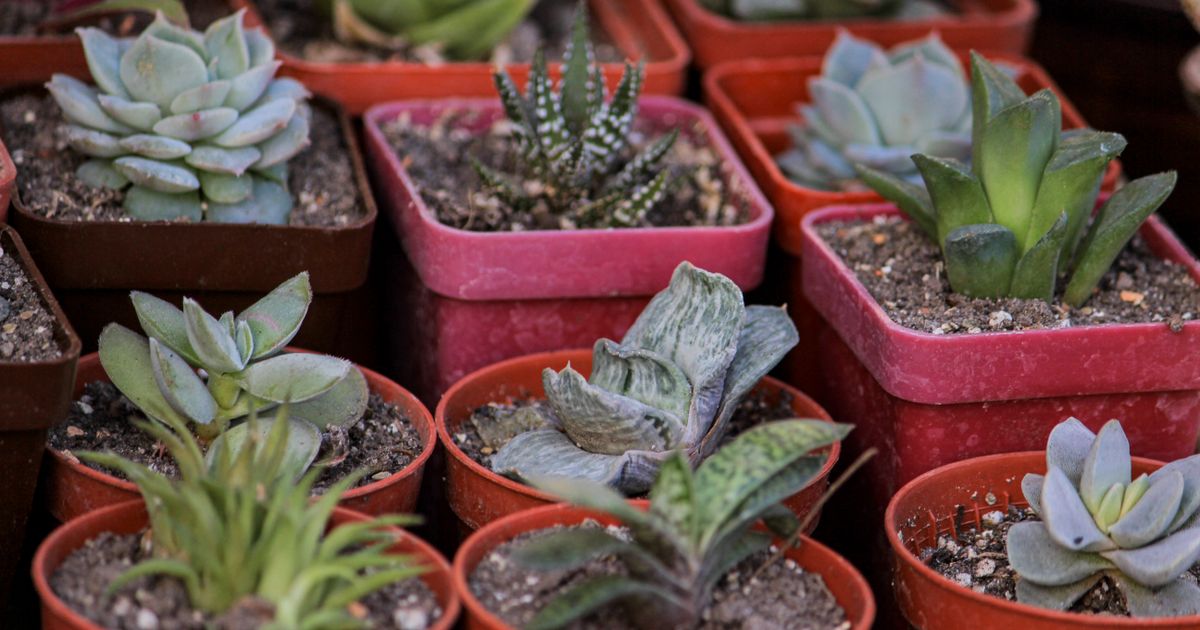
- Haworthia (zebra plant) — looks just like aloe, totally safe.
- Echeveria — the classic rosette succulent, pet-safe.
- Burro’s tail (Sedum) — trailing and chunky, safe.
- Ponytail palm — technically a succulent, and non-toxic.
Want the full green list? See our pet-safe succulents guide. If your dog is a determined chewer, redirect them with a safe green of their own — a tray of dog-friendly grass works wonders.
If you love that aloe-rosette look but have a curious dog, the spider plant is the safe swap — ASPCA non-toxic, nearly unkillable, and air-purifying. Our spider plant care guide has the details.
Check price on Amazon →What to do if your dog eats a toxic succulent
- Take the plant away and note what it was (snap a photo of the tag or plant).
- Check their mouth and rinse with water if there’s sap irritation.
- Call your vet or a poison line — especially for kalanchoe or Euphorbia.
- Watch for repeated vomiting, weakness, or any heart-rhythm signs (collapse, unusual tiredness).
FAQ
Are all succulents toxic to dogs?
No — many are perfectly safe (haworthia, echeveria, burro’s tail). But several popular ones (aloe, jade, kalanchoe) are toxic, so always check before buying.
Which succulent is most dangerous for dogs?
Kalanchoe — it contains cardiac glycosides that can affect heart rhythm in larger amounts. Pencil cactus (Euphorbia) sap is also seriously irritating.
Is aloe vera toxic to dogs?
Yes. The saponins and anthraquinones cause vomiting, diarrhea, and lethargy. Swap it for a haworthia, which looks nearly identical.
My dog licked a jade plant — is that an emergency?
A tiny lick usually just causes mild GI upset, but call your vet if you see repeated vomiting, a slow heart rate, or unusual sluggishness.
The bottom line
Succulents are easy to grow but not automatically pet-safe. Skip aloe, jade, kalanchoe, snake plant, panda plant, pencil cactus, and string of pearls if you have a dog — and go for haworthia, echeveria, or a good old spider plant instead. Same low-effort vibe, zero toxicity.
More: toxic plants for dogs and pet-safe succulents.
Sources
Written by Mo Ruman, a self-taught plant parent who cross-checks every plant against the ASPCA database. Not a vet — in an emergency, always call one. More about Kijani Paws · Ask me about a plant. As an Amazon Associate, Kijani Paws earns from qualifying purchases; this never affects our safety info.
Get the free pet-safe plant checklist
One email when a new ASPCA-verified guide goes live. No spam, unsubscribe anytime.