How to Propagate Plants in Water (Free Plants, Basically)
This post contains affiliate links. If you buy through them, I earn a small commission at no extra cost to you. As an Amazon Associate I earn from qualifying purchases.
Water propagation is the ultimate plant-parent flex: snip a cutting, pop it in a glass of water, and watch roots grow — free plants, no green thumb required. It’s oddly mesmerizing and perfect for beginners. Here’s exactly how to do it, which plants work, and the pet-safe picks worth multiplying.
Which plants propagate in water
Not everything works, but tons of popular houseplants do. Easy water-propagators include spider plant (just pot up the babies!), pothos, monstera, philodendron, tradescantia, and many others. Note: some of those (pothos, monstera, philodendron) are toxic to pets — so if you’re propagating them, keep the cuttings out of reach. For a pet-safe home, the spider plant is the propagation MVP.
How to do it, step by step
- Find a node. The node is the little bump on the stem where leaves and roots emerge. This is non-negotiable — no node, no roots.
- Snip below a node with clean scissors, taking a 4–6 inch cutting with at least one or two leaves.
- Remove lower leaves so no foliage sits underwater (submerged leaves rot).
- Pop it in water — a clear glass or jar so you can watch the roots. Keep the node submerged.
- Bright indirect light, and change the water every few days to keep it fresh and oxygenated.
- Wait for roots (usually 2–6 weeks). Once they’re 1–2 inches long, pot it up in soil.
Tips for strong roots
- Change the water regularly — stale, murky water = rot.
- Use room-temperature water; cold shocks cuttings.
- Bright indirect light speeds things up; direct sun cooks the cutting.
- Transition to soil once roots are a couple inches long, and keep the soil a bit moister at first while it adjusts.
Pet-safe plants to multiply
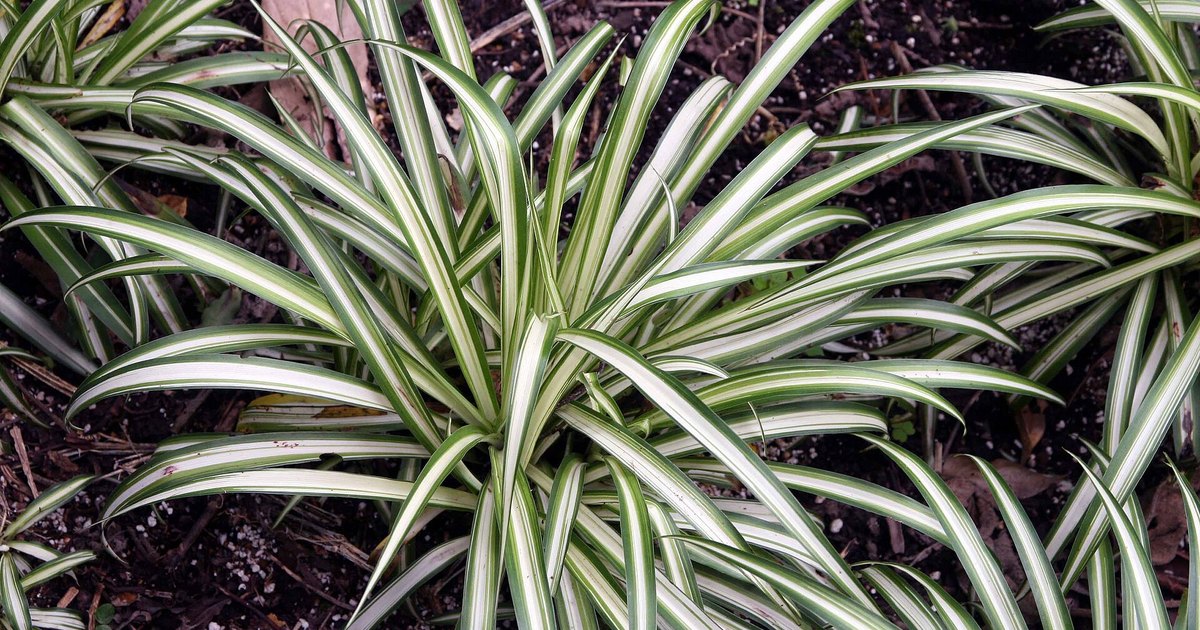
The spider plant is the dream water-propagation plant: it grows dangling baby “spiderettes” you can root in water (or just pot up), it’s nearly unkillable, and it’s ASPCA non-toxic to cats and dogs. One plant becomes a whole shelf — and gifts for friends.

The easiest plant to propagate and ASPCA non-toxic to pets — one plant becomes ten. Start here if you want free plants without the stress.
Check price on Amazon →FAQ
How long does water propagation take?
Usually 2–6 weeks to see roots, depending on the plant and the season (faster in spring/summer).
Do I need rooting hormone?
Not for water propagation of easy plants like spider plant and pothos — they root readily on their own.
Why isn’t my cutting rooting?
Usually no node included, a submerged leaf rotting, stale water, or too little light. Recut below a node, refresh the water, and move it brighter.
Is it safe if my cat drinks the propagation water?
For pet-safe cuttings like spider plant, yes. If you’re propagating a toxic plant (pothos, monstera), keep the jar out of reach — the water can carry irritants.
The bottom line
Water propagation is the easiest way to get free plants: cut below a node, strip the lower leaves, drop it in a clear glass of water in bright indirect light, and refresh the water until roots appear. Start with a pet-safe spider plant and you’ll have a jungle in no time.
More: how to repot a houseplant and how much light plants need.
Sources
Written by Mo Ruman, a self-taught plant parent who cross-checks every plant against the ASPCA database. Not a vet — when in doubt, call yours. More about Kijani Paws · Ask me about a plant. As an Amazon Associate, Kijani Paws earns from qualifying purchases; this never affects our safety info.
Get the free pet-safe plant checklist
One email when a new ASPCA-verified guide goes live. No spam, unsubscribe anytime.