How Much Light Do Houseplants Really Need?
This post contains affiliate links. If you buy through them, I earn a small commission at no extra cost to you. As an Amazon Associate I earn from qualifying purchases.
Every plant tag says “bright indirect light” like that means something obvious. It doesn’t. Light is the #1 thing that makes or breaks a houseplant, so let’s translate the jargon, figure out what your windows actually offer, and fix a spot that’s too dark.
Light terms, decoded
| Term | What it actually means |
|---|---|
| Direct light | Sun rays land right on the leaves (a sunny windowsill). Great for cacti; scorches ferns. |
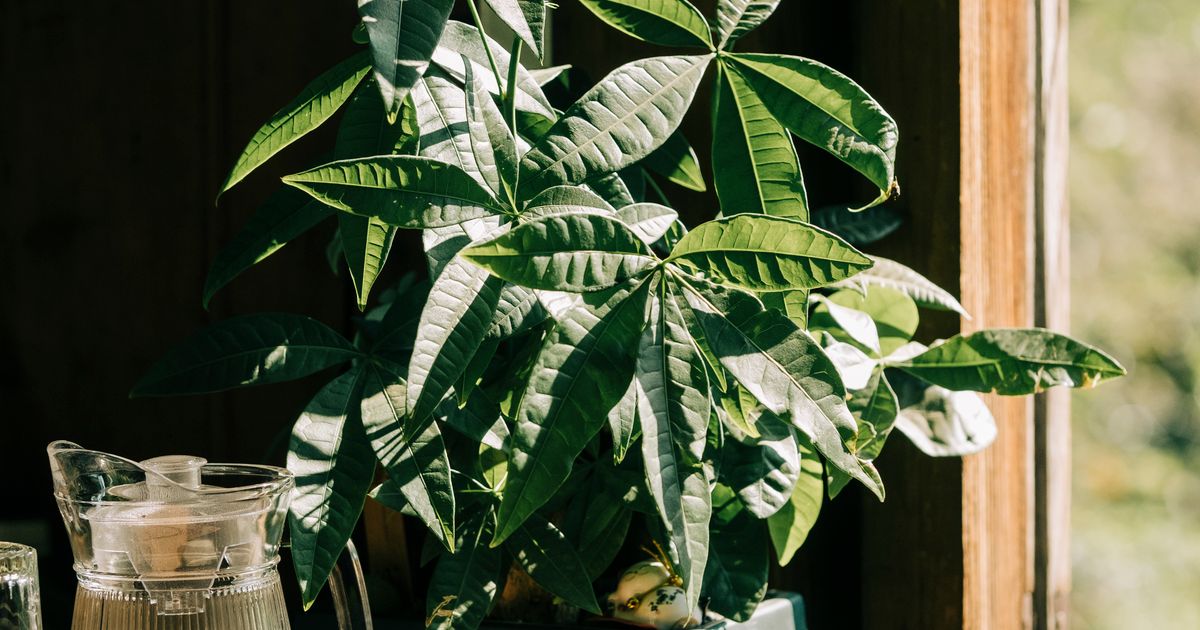
| Bright indirect | Lots of brightness but no direct rays — near a bright window, just out of the beam. The sweet spot for most houseplants. |
| Medium light | A few feet from a window, or a bright room with no direct sun. |
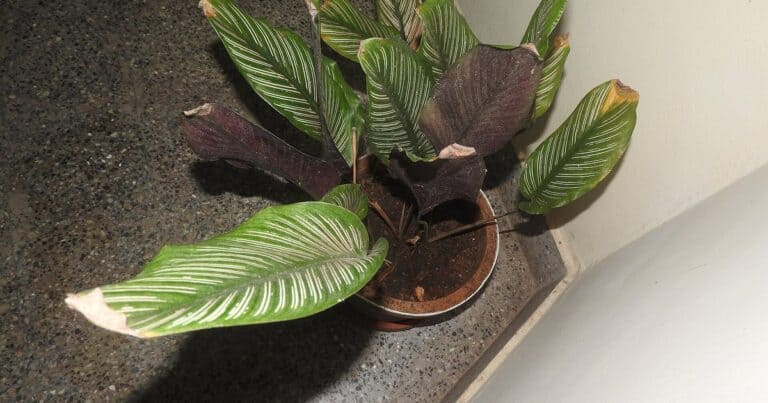
| Low light | Away from windows, north-facing rooms, dim corners. Only a few plants truly thrive here. |
What your windows actually give
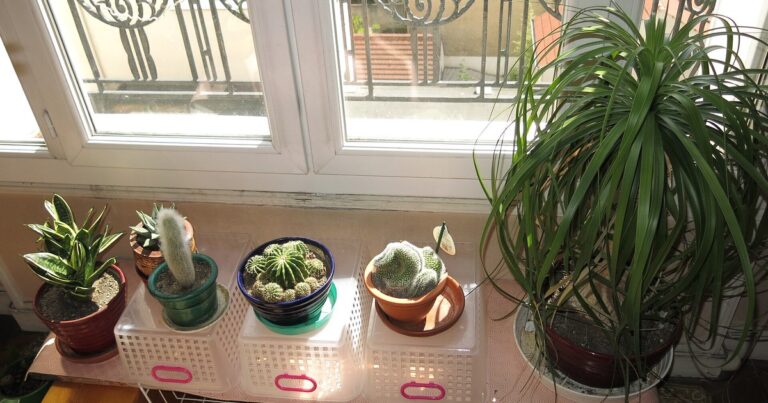
Direction matters. Per the University of Minnesota Extension: south-facing windows are brightest (most direct light), east and west are medium (gentle morning/afternoon sun), and north-facing are the dimmest (soft, indirect light all day). Distance matters too — light drops off fast as you move away from the glass, so a plant three feet back gets a fraction of what one on the sill gets.
The shadow test
Easiest way to gauge a spot: hold your hand a foot above where the plant sits, at midday.
- Sharp, crisp shadow = bright light
- Soft, fuzzy shadow = medium light
- Barely any shadow = low light (add a grow light)
Fixing a too-dark spot
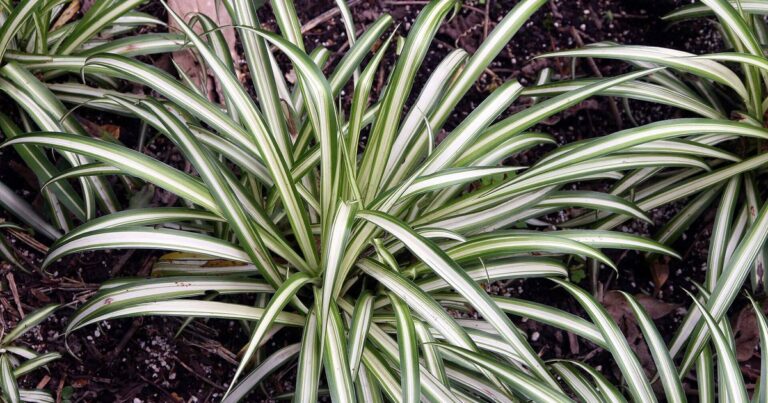
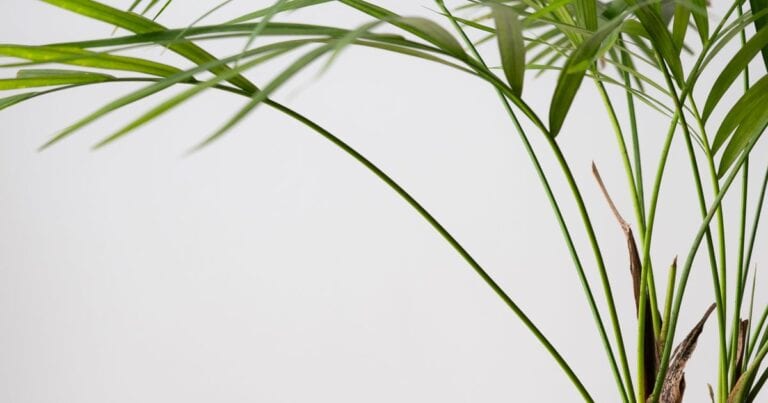
If you love a plant but your spot is too dim, you have two moves: choose a genuinely low-light plant (parlor palm, spider plant, Boston fern), or add a grow light. A full-spectrum LED replaces the sunlight a dark room can’t provide — run it 12–14 hours a day on a timer. It’s the single best fix for a light-starved plant, especially in winter and in interior rooms.
Not enough natural light? A full-spectrum LED fills the gap — run it 12–14 hours on a timer, 12–24 inches above the plant. Full setup in our grow lights 101 guide. (Keep the cord out of paw reach.)
Check price on Amazon →FAQ
What does “bright indirect light” actually mean?
A spot that’s bright but where direct sun rays don’t hit the leaves — like a couple feet from a sunny window, or right beside a north window.
How do I know if my plant needs more light?
Leggy, stretched growth, small pale new leaves, leaning toward the window, or dropping leaves = not enough light.
Can a plant get too much light?
Yes — direct sun scorches many houseplants (bleached, crispy patches). Move it back or filter with a sheer curtain.
Do grow lights really replace sunlight?
Yes — a full-spectrum LED provides the wavelengths plants use, so even a windowless room can support houseplants.
The bottom line
“Bright indirect” means bright but out of the direct beam — the sweet spot for most houseplants. Learn your window directions, do the shadow test, and if a spot’s too dark, pick a low-light plant or add a full-spectrum grow light. Nail the light and everything else gets easier.
More: keeping plants alive in a dark apartment and why leaves turn yellow.
Sources
- University of Minnesota Extension — Light for Indoor Plants
- University of Maryland Extension — Light for Houseplants
Written by Mo Ruman, a self-taught plant parent who cross-checks every plant against the ASPCA database. Not a vet — when in doubt, call yours. More about Kijani Paws · Ask me about a plant. As an Amazon Associate, Kijani Paws earns from qualifying purchases; this never affects our safety info.
Get the free pet-safe plant checklist
One email when a new ASPCA-verified guide goes live. No spam, unsubscribe anytime.