Best Plant Humidifiers for Thirsty Houseplants (Pet-Safe)
This post contains affiliate links. If you buy through them, I earn a small commission at no extra cost to you. As an Amazon Associate I earn from qualifying purchases.
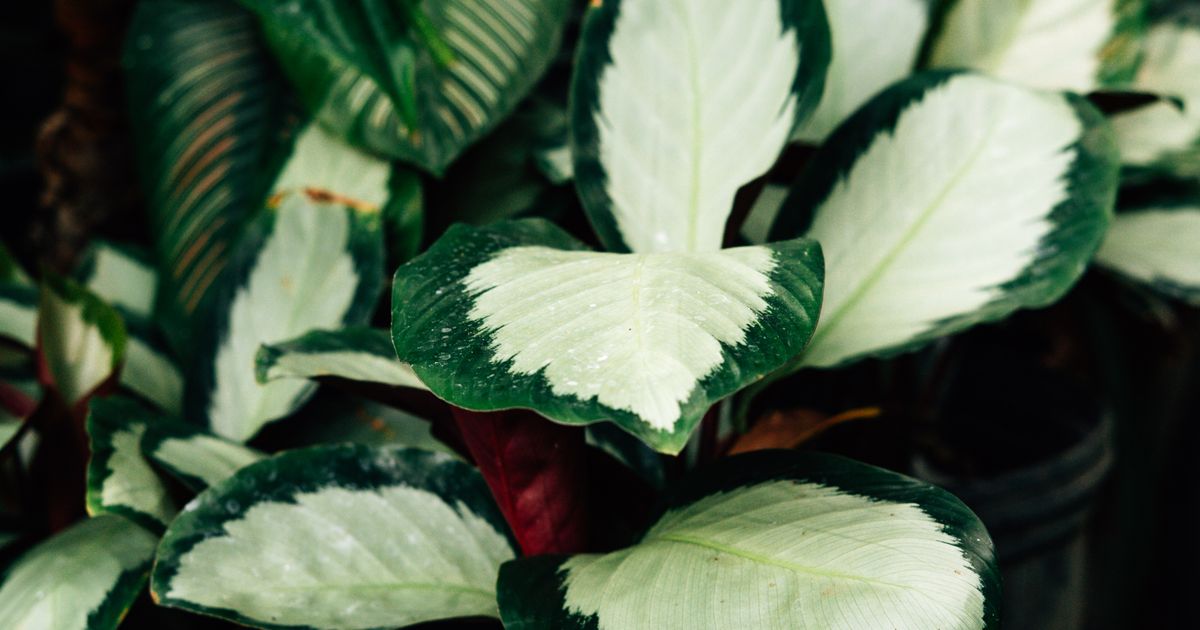
If your calatheas, ferns, and palms keep getting brown, crispy edges, they’re not thirsty — the air is too dry. Most homes sit around 10–15% humidity while tropical plants want 50%+. A plant humidifier is the fix. Here’s what actually matters when buying one, plus how to run it safely around pets.
Do your plants need one?
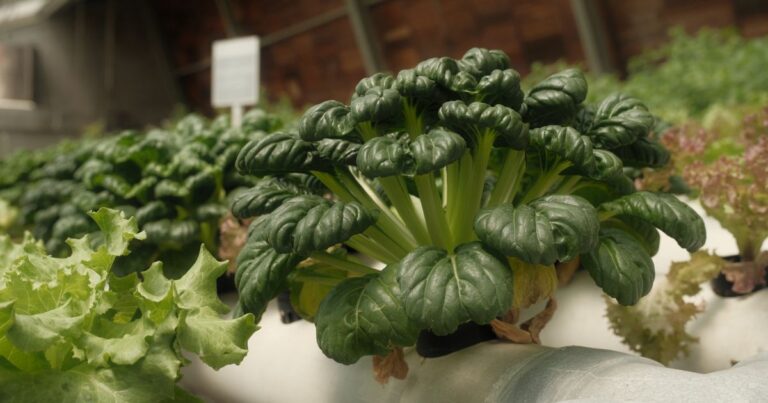
Tell-tale signs of low humidity: brown, crispy leaf tips and edges, curling leaves, flower buds that dry up and drop, and spider mites (they love dry air). Ferns, calatheas, palms, and most “tropical” plants are the humidity divas. Cacti and succulents don’t need it. The University of Minnesota Extension notes most tropical houseplants prefer higher humidity than typical indoor air provides.
What to look for
| Feature | Why it matters |
|---|---|
| Cool mist | Safer and better for plants than warm mist; no burn risk |
| Tank size / runtime | Bigger tank = fewer refills for a plant shelf |
| Adjustable output | Dial humidity up for a fern corner without soaking the room |
| Easy to clean | Prevents mineral buildup and mold — clean weekly |
| Quiet operation | So it’s not annoying if it runs near your desk or plants |
Our top pick
For most plant shelves, a quiet cool-mist humidifier paired with a pebble tray covers both the room and the individual pots — the single most effective fix for brown leaf tips. Fill it with distilled water to avoid white mineral dust on your leaves and furniture.
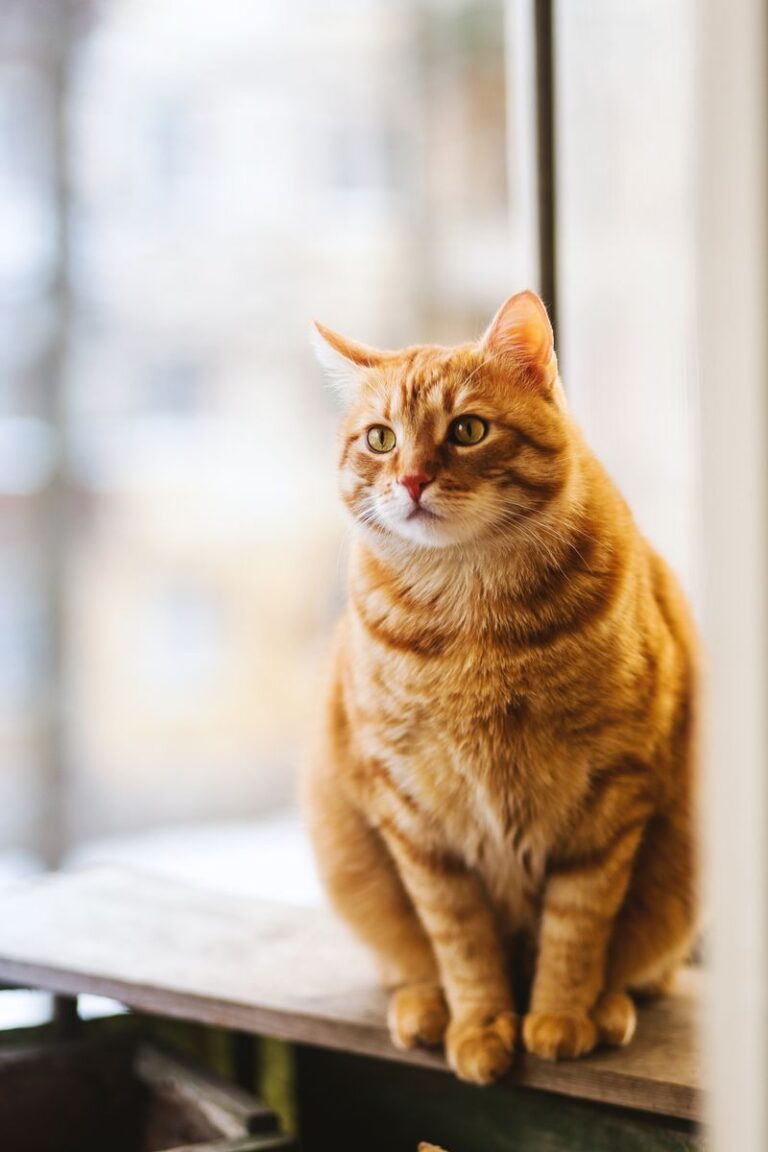
A quiet cool-mist humidifier plus a pebble tray — the combo that reliably fixes crispy fern and calathea tips. Fill with distilled water and place out of paw reach. More options in our humidity guide.
Check price on Amazon →Using it safely around pets
- Water only — no essential oils. Many oils (tea tree, eucalyptus, citrus) are toxic to cats. A plain-water plant humidifier is fine; an oil diffuser is not. See essential oils and cats.
- Secure the cord — it’s a chew hazard for curious pets.
- Clean weekly so it doesn’t grow mold that gets misted into the air.
FAQ
Do plant humidifiers actually work?
Yes — they’re the most reliable way to raise humidity for tropical plants, far better than misting (which fades in minutes).
Cool mist or warm mist for plants?
Cool mist. It’s safer (no hot water/burn risk) and works great for plants.
Is a humidifier safe around cats and dogs?
Yes, if you use plain water (no oils) and keep the cord out of reach.
How close should it be to my plants?
Near the cluster but not blasting a single plant. Grouping plants also helps them share humidity.
The bottom line
Brown, crispy leaf tips = dry air, and a cool-mist plant humidifier (plus a pebble tray) is the fix. Look for a decent tank, adjustable output, and easy cleaning — then run it with plain water and a secured cord to keep it pet-safe.
More: how to boost humidity the pet-safe way and Boston fern vs calathea.
Sources
- University of Minnesota Extension — Houseplants (humidity)
- ASPCA — Animal Poison Control (household hazards)
Written by Mo Ruman. Kijani Paws researches products for pet homes; we’re not vets — for medical concerns, call yours. More about Kijani Paws · Contact. As an Amazon Associate, Kijani Paws earns from qualifying purchases; this never affects our recommendations.
Get the free pet-safe plant checklist
One email when a new ASPCA-verified guide goes live. No spam, unsubscribe anytime.