How to Save an Overwatered Plant (Rescue Guide)
This post contains affiliate links. If you buy through them, I earn a small commission at no extra cost to you. As an Amazon Associate I earn from qualifying purchases.
Overwatering is the #1 way people accidentally kill houseplants — and the cruel twist is that a drowning plant often looks thirsty (droopy, yellowing), so people water it more and make it worse. If your plant’s soil is staying wet and things are going downhill, here’s how to actually save it.
Is it actually overwatered?
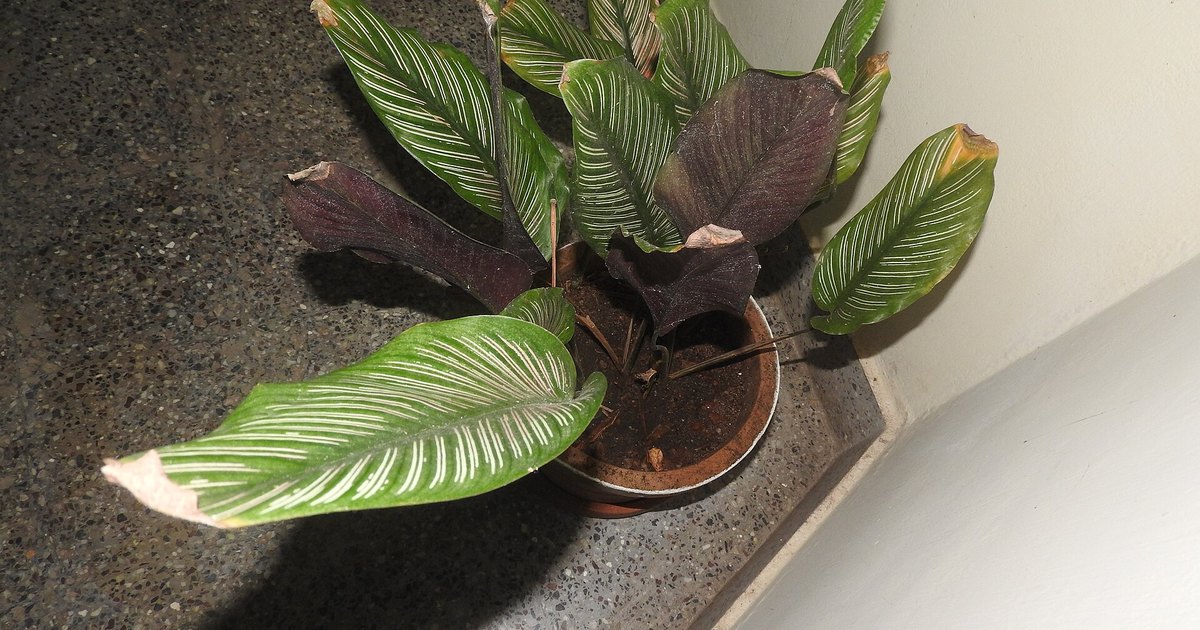
Overwatering signs: yellowing lower/inner leaves, soft or mushy stems, soil that stays wet for days, a musty smell, and fungus gnats. Per the University of Maryland Extension, excess water pushes oxygen out of the soil and suffocates the roots — so the plant can’t drink even though it’s swimming, which is why it looks wilted and thirsty. Confusing, but that’s the tell.
The rescue steps
- Stop watering. Obvious, but step one. Move it out of any saucer of standing water.
- Move to brighter light & airflow. This helps the soil dry faster (not harsh direct sun — just brighter).
- Check drainage. No drainage hole? That’s the root of the problem. Repot into a pot that drains.
- Let it dry out until the top 2 inches are genuinely dry before watering again.
- Trim the dead. Remove fully yellow/mushy leaves so the plant stops spending energy on them.
If there’s root rot
If the soil smells rotten and stems are mushy at the base, you likely have root rot. Slide the plant out, rinse the roots, and snip away any that are brown, black, or slimy (healthy roots are firm and white/tan). Repot into fresh, dry mix and a clean pot with drainage. Then water sparingly while it recovers. It’s triage, but plenty of plants bounce back.
Prevent it happening again
Water by checking the soil, not the calendar — stick a finger two inches down and only water if it’s dry. Use pots with drainage, dump the saucer, and ease off in winter. If you’re a chronic overwaterer, a self-watering planter is a genuine cheat code: the reservoir delivers moisture as the plant needs it instead of on your anxious schedule.
For serial overwaterers: the reservoir wicks up moisture only as needed, so soil stays evenly damp — not drowned — and there’s no soggy saucer for a curious pet.
Check price on Amazon →FAQ
Can an overwatered plant recover?
Often yes, if you catch it before root rot spreads. Dry it out, fix drainage, and trim dead growth.
Should I water an overwatered plant more because it’s drooping?
No! Drooping from overwatering means the roots are suffocating. More water makes it worse. Let it dry.
How long until it bounces back?
A couple of weeks for mild cases; longer if you had to trim rotted roots and repot.
Do self-watering pots cause overwatering?
Used right, no — they keep soil evenly moist and most have overflow. Let the reservoir empty before refilling.
The bottom line
An overwatered plant looks thirsty but is actually drowning — so stop watering, boost light and airflow, fix drainage, and let it dry. Trim rot if present and repot into fresh dry mix. Then water by feel, not schedule, and consider a self-watering planter to end the cycle.
More: how often to water houseplants and why leaves turn yellow.
Sources
- University of Maryland Extension — Overwatered Indoor Plants
- University of Minnesota Extension — Watering Houseplants
Written by Mo Ruman, a self-taught plant parent who cross-checks every plant against the ASPCA database. Not a vet — when in doubt, call yours. More about Kijani Paws · Ask me about a plant. As an Amazon Associate, Kijani Paws earns from qualifying purchases; this never affects our safety info.
Get the free pet-safe plant checklist
One email when a new ASPCA-verified guide goes live. No spam, unsubscribe anytime.