Sago Palm: The Deadliest Houseplant for Dogs and Cats
This post contains affiliate links. If you buy through them, I earn a small commission at no extra cost to you. As an Amazon Associate I earn from qualifying purchases.
If there’s one plant to take dead seriously, it’s this one. The sago palm looks like a harmless little tropical accent — but it’s among the deadliest plants for dogs and cats, capable of causing fatal liver failure from just a few seeds. If you have pets, this is a hard no. Here’s why.
How toxic is the sago palm?
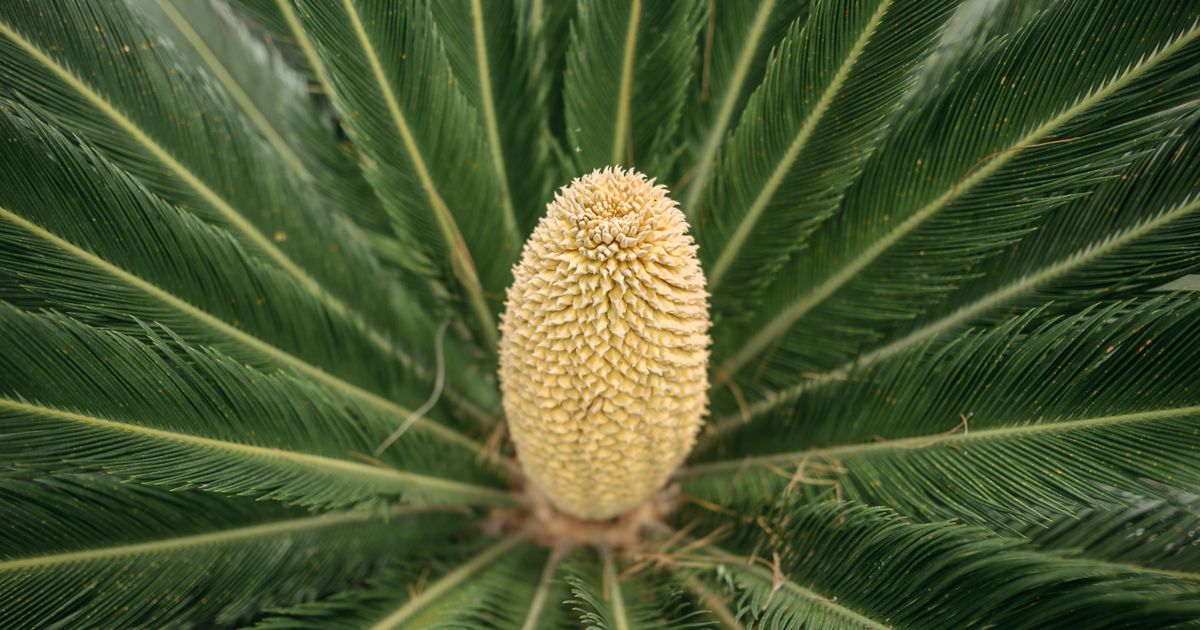
Extremely. The ASPCA lists the sago palm (Cycas revoluta) as toxic to dogs, cats, and horses, and it’s one of the few houseplants that regularly proves fatal. Despite the name, it’s not a true palm at all — it’s a cycad, an ancient plant with a nasty defense chemistry.
Why it’s so deadly
Every part is toxic — leaves, trunk, roots — but the seeds are the most poisonous. The culprit is a toxin called cycasin, which attacks the liver. According to the Pet Poison Helpline, ingestion can cause severe liver damage and death, and even with aggressive treatment the survival rate is far from guaranteed. It doesn’t take much — a single seed can be enough to seriously harm a dog.
Symptoms & timeline
| Time | What happens |
|---|---|
| 15 min – few hours | Vomiting, drooling, diarrhea, loss of appetite |
| 1–3 days | Liver failure signs: weakness, jaundice (yellow gums/eyes), bruising, dark stools |
| Days later | Without treatment, often fatal |
Like other liver toxins, a pet can look “okay” early on while serious damage is already underway — which is why waiting is dangerous.
What to do
- Treat it as an emergency — don’t wait for symptoms.
- Remove the plant and any seeds; note how much was eaten.
- Call your vet or poison control immediately (numbers above).
- Bring the plant or a photo so the team can confirm.
The safe swap
Want that spiky, architectural palm look without the death risk? Go parlor palm — soft, real-palm foliage that’s ASPCA non-toxic and safe at floor level.
A true, ASPCA non-toxic palm with soft feathery fronds — the safe way to get that tropical palm vibe. Don’t confuse the safe parlor palm with the deadly sago!
Check price on Amazon →FAQ
How much sago palm is dangerous?
Very little. A single seed can cause severe illness in a dog. All parts are toxic; seeds are worst.
Can a dog survive eating sago palm?
With immediate, aggressive vet treatment some survive — but it’s frequently fatal even then. Speed is everything.
Is the sago palm the same as a parlor or areca palm?
No. Those are true palms and are pet-safe. The sago is a cycad and is deadly. Always check the botanical name.
Should I keep a sago palm if I have pets?
Honestly, no. The risk is too high. Rehome it and choose a pet-safe palm.
The bottom line
The sago palm is one of the deadliest plants you can own with pets — the toxin cycasin causes liver failure and is often fatal, with seeds the most dangerous part. There’s no “keep it up high” workaround worth the risk. Remove it, and enjoy a pet-safe parlor palm instead.
More: the most toxic houseplants for pets and why lilies are deadly to cats.
Sources
Written by Mo Ruman, a self-taught plant parent who cross-checks every plant against the ASPCA database. Not a vet — in an emergency, always call one. More about Kijani Paws · Ask me about a plant. As an Amazon Associate, Kijani Paws earns from qualifying purchases; this never affects our safety info.
Get the free pet-safe plant checklist
One email when a new ASPCA-verified guide goes live. No spam, unsubscribe anytime.