Toxic Succulents for Cats: The Trendy Ones to Skip
This post contains affiliate links. If you buy through them, I earn a small commission at no extra cost to you. As an Amazon Associate I earn from qualifying purchases.
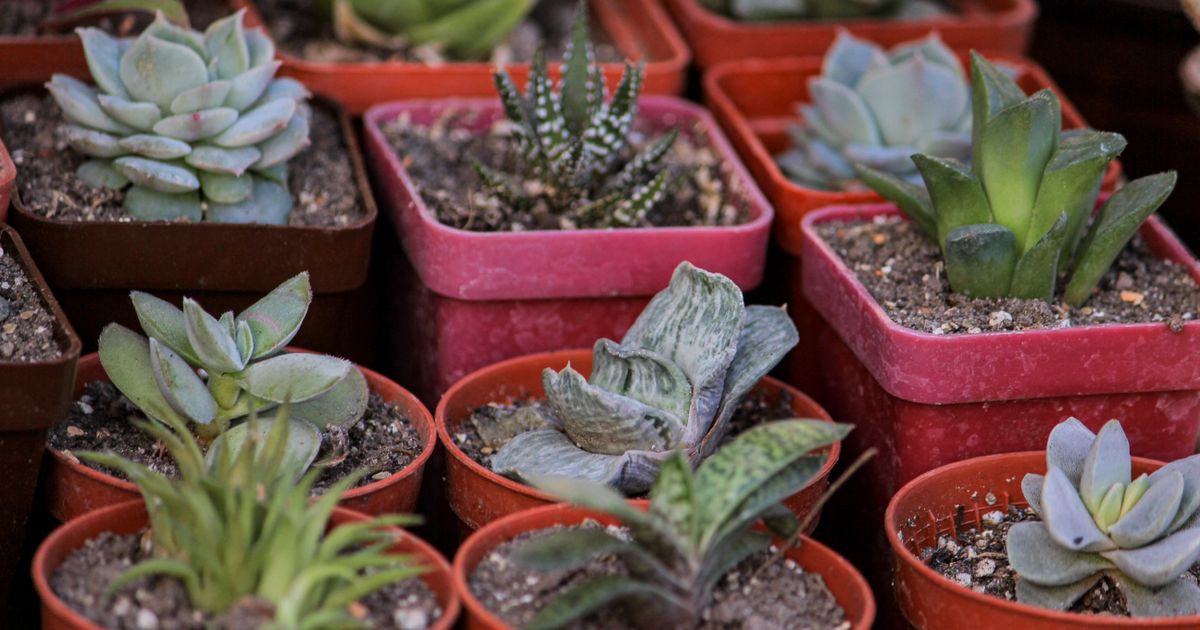
Succulents are the ultimate “I can’t keep anything alive” plant — tiny, trendy, basically self-sufficient. But here’s the thing nobody tells you: a bunch of the most popular ones are toxic to cats. Before you build a windowsill succulent army, here’s which ones to skip and what to grab instead.
The toxic succulents
| Succulent | Why it’s toxic |
|---|---|
| Aloe vera | Saponins + anthraquinones — vomiting, diarrhea, lethargy |
| Jade plant | Unknown toxin — vomiting, incoordination, lethargy |
| Kalanchoe | Contains cardiac glycosides — can affect heart rhythm (the most serious of the bunch) |
| Snake plant (a succulent-ish favorite) | Saponins — nausea, vomiting, diarrhea |
| String of pearls | Toxic — GI upset and skin/mouth irritation |
| Euphorbias (pencil cactus, crown of thorns) | Irritant sap — mouth/GI irritation, can bother eyes and skin |
Deep dives on the big two: is aloe vera toxic to cats? and is jade plant toxic to cats?
Why they’re a problem
Different succulents pack different toxins — from mild GI irritants (saponins in aloe and snake plant) to genuinely serious compounds (the cardiac glycosides in kalanchoe, which can affect the heart). That’s why “it’s just a little succulent” doesn’t mean it’s safe. Every claim here is cross-checked against the ASPCA database.
Symptoms to watch for
Per the Pet Poison Helpline, watch for drooling, vomiting, diarrhea, loss of appetite, and lethargy. With kalanchoe specifically, also watch for a racing or abnormal heartbeat — that one warrants an urgent call. When in doubt, phone your vet or poison control.
Safe succulents & swaps
Good news — you don’t have to give up the low-effort succulent aesthetic:
- Haworthia (zebra plant) — non-toxic, looks like a mini aloe.
- Echeveria — the classic rosette succulent, non-toxic.
- Burro’s tail (Sedum) — trailing and pet-safe.
- Christmas cactus — non-toxic and it blooms. See our succulents safe for cats guide.
If you want a fuss-free, definitely-safe statement plant instead, a calathea brings color with zero toxicity:
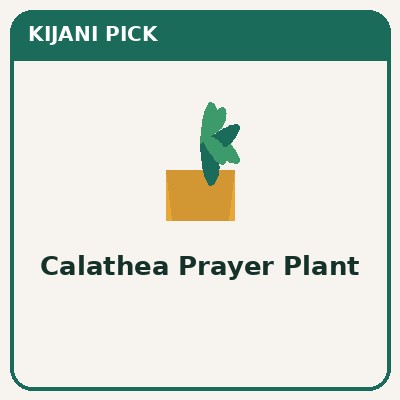
Want a safe, low-key statement plant instead of a risky succulent? Calathea is ASPCA non-toxic to cats and dogs and brings bold patterned leaves. Full calathea care guide.
Check price on Amazon →FAQ
Are all succulents toxic to cats?
No — many are perfectly safe (haworthia, echeveria, burro’s tail). The problem ones are aloe, jade, kalanchoe, snake plant, string of pearls, and euphorbias.
Which toxic succulent is the most dangerous?
Kalanchoe — it contains cardiac glycosides that can affect heart rhythm, unlike the milder GI-irritant succulents.
My cat bit an aloe leaf — what now?
Watch for vomiting, diarrhea, and lethargy, and call your vet or poison control. Aloe is a GI irritant rather than a deadly toxin, but it’s still worth a call.
How do I know if a succulent is safe?
Check the botanical name on the ASPCA database before buying — common names get mixed up constantly.
The bottom line
Succulents are cute and easy, but aloe, jade, kalanchoe, snake plant, string of pearls, and euphorbias are all toxic to cats — kalanchoe most seriously. Swap to safe rosettes like haworthia and echeveria, or grab a calathea for a bold, non-toxic statement.
More: the full toxic houseplants list and the plants + pets safety cheat sheet.
Sources
Written by Mo Ruman, a self-taught plant parent who cross-checks every plant against the ASPCA database. Not a vet — when in doubt, call yours. More about Kijani Paws · Ask me about a plant. As an Amazon Associate, Kijani Paws earns from qualifying purchases; this never affects our safety info.
Get the free pet-safe plant checklist
One email when a new ASPCA-verified guide goes live. No spam, unsubscribe anytime.