Pet-Safe Plants With Colorful Leaves (Not Just Boring Green)
This post contains affiliate links. If you buy through them, I earn a small commission at no extra cost to you. As an Amazon Associate I earn from qualifying purchases.
Green is great, but sometimes you want a plant that actually does something — pink stripes, purple undersides, leaves that look hand-painted. The catch: a lot of the most colorful houseplants (looking at you, croton and caladium) are toxic to pets. Good news — these ones aren’t. Every plant here is ASPCA non-toxic, so your color moment doesn’t come with a vet scare.
Calathea — the painted queen
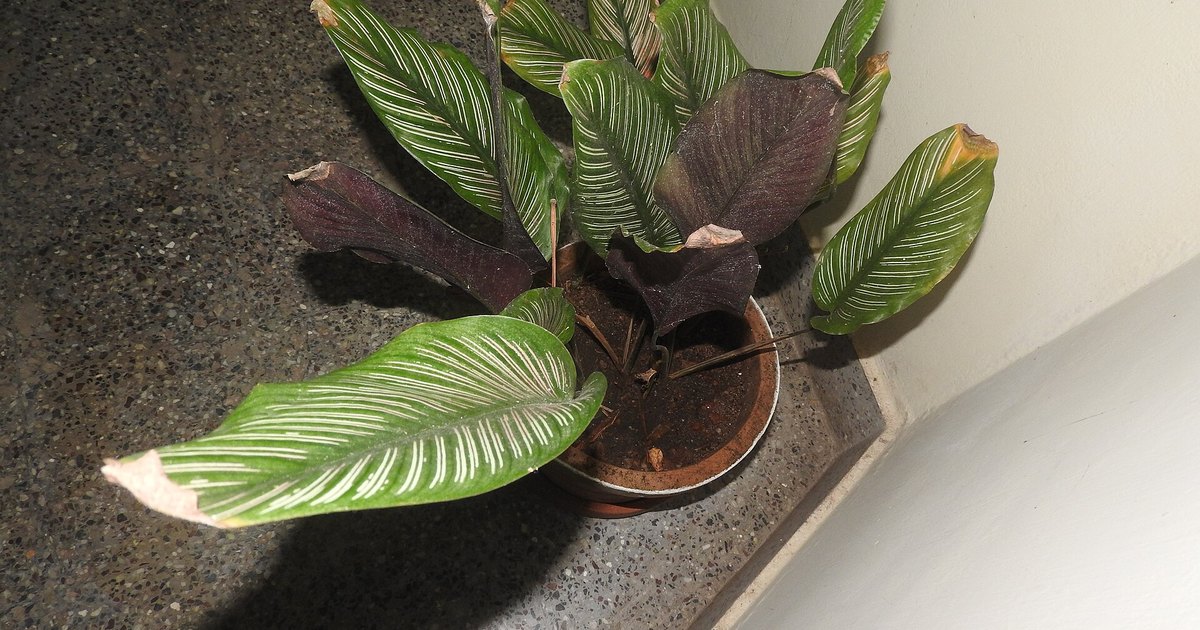
If you want maximum drama, calathea is the one. Pinstripes, feathery brushstrokes, deep purple undersides — some varieties genuinely look fake. And the ASPCA lists calathea as non-toxic to cats and dogs. It’s a little extra about humidity and filtered water, but the payoff is unreal.
Bold, patterned foliage that’s ASPCA non-toxic to cats and dogs — the easiest way to add color safely. Tip: verify the tag, since some plants sold as “prayer plant” are Maranta or Stromanthe (all pet-safe, slightly different care). Full calathea care guide here.
Check price on Amazon →Maranta prayer plant
Calathea’s close cousin, the maranta, has those iconic red veins and leaves that literally fold up at night like little praying hands. Also ASPCA non-toxic, and generally a bit more forgiving than calathea if you’re newer to plants.
More colorful safe picks
- Rattlesnake calathea — wavy, spotted leaves with purple undersides.
- Stromanthe Triostar — pink, cream, and green variegation (pet-safe, in the same Marantaceae family).
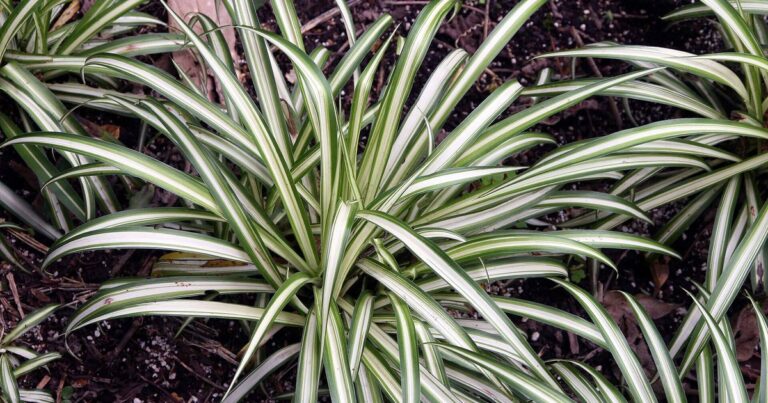
- Spider plant ‘Bonnie’ — curly variegated leaves; non-toxic and nearly unkillable.
- Peperomia (many types) — ripple-textured or blushing red-tinged leaves; check the specific variety, but many peperomias are ASPCA non-toxic.
Colorful plants to AVOID
Real talk — some of the most vibrant “statement” plants are toxic. Skip these in a pet home:
- Croton — those fire-colored leaves are toxic to cats and dogs.
- Caladium — gorgeous pink/white, but loaded with calcium oxalates.
- Polka dot begonia / most begonias — toxic (especially the tubers).
- Nerve plant look-alikes — double-check each; some are safe, many aren’t.
When in doubt, look up the botanical name on the ASPCA database before you buy. See our trendy plants toxic to cats list too.
Keeping the color vivid
Two rules keep patterned leaves looking their best: medium, indirect light (too much sun fades the pattern, too little makes them dull) and consistent moisture with filtered water (calatheas brown at the edges from tap-water minerals). A little humidity love goes a long way — here’s how to boost humidity the pet-safe way.
FAQ
Are calatheas and prayer plants safe if my cat chews them?
Yes — both are ASPCA non-toxic to cats and dogs. A big binge can cause mild tummy upset, but there’s no poison involved.
Why is my colorful plant losing its pattern?
Usually too much direct sun (bleaches the color) or too little light (dulls it). Aim for bright, indirect light.
Is the polka dot plant (Hypoestes) safe?
The Hypoestes polka dot plant is generally considered non-toxic — but always confirm the exact plant on the ASPCA list, since “polka dot” names get mixed up with toxic begonias.
What’s the easiest colorful pet-safe plant?
A variegated spider plant. It’s forgiving, non-toxic, and adds pattern without the calathea fuss.
The bottom line
You can absolutely have a colorful, painted-leaf plant collection with pets — just stick to the safe stars like calathea, maranta, stromanthe, and variegated spider plants, and skip croton, caladium, and begonias. Bright indirect light plus filtered water keeps the color popping.
More: aesthetic pet-safe plants, Boston fern vs calathea, and pet-safe plants for small apartments.
Sources
- ASPCA — Calathea (non-toxic)
- ASPCA — Prayer Plant / Maranta (non-toxic)
- ASPCA — Toxic and Non-Toxic Plants database
Written by Mo Ruman, a self-taught plant parent who cross-checks every plant against the ASPCA database. Not a vet — when in doubt, call yours. More about Kijani Paws · Ask me about a plant. As an Amazon Associate, Kijani Paws earns from qualifying purchases; this never affects our safety info.
Get the free pet-safe plant checklist
One email when a new ASPCA-verified guide goes live. No spam, unsubscribe anytime.