New Kitten or Puppy? Plants to Remove From Your Apartment First
This post contains affiliate links. If you buy through them, I earn a small commission at no extra cost to you. As an Amazon Associate I earn from qualifying purchases.
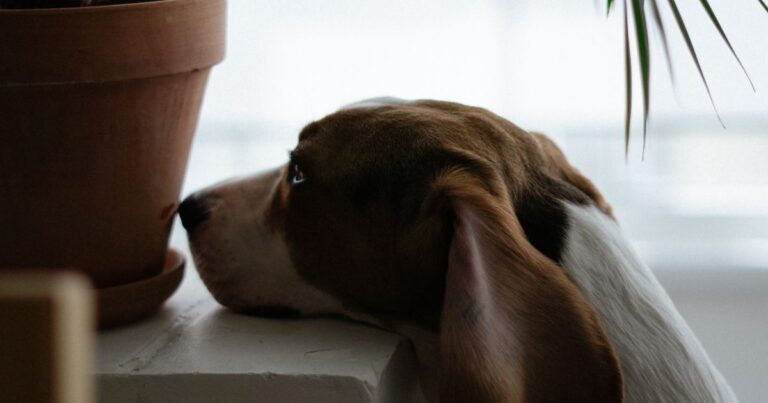
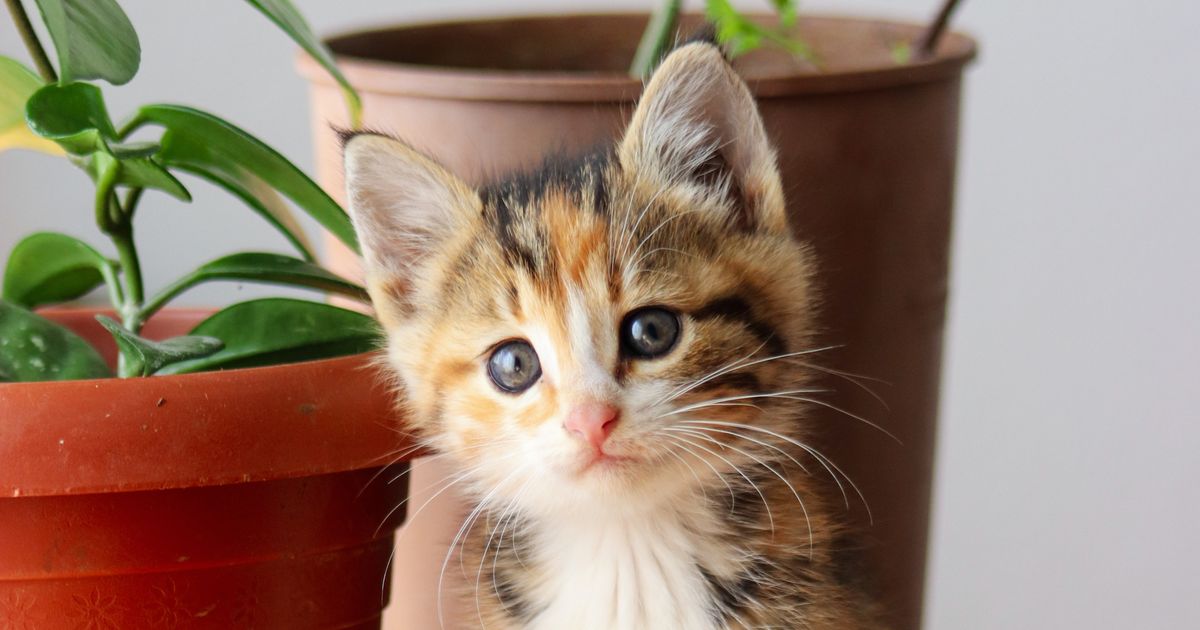
Congrats on the new kitten or puppy! Before the zoomies begin, do a quick plant audit — because baby animals explore with their mouths, and some of the most common houseplants are toxic. This is your fast pet-proofing checklist: what to move first, what to watch for, and who to call if something goes down.
Plants to remove (or relocate) first
These are common, toxic, and worth handling on day one — all confirmed on the ASPCA database:
| Plant | Risk |
|---|---|
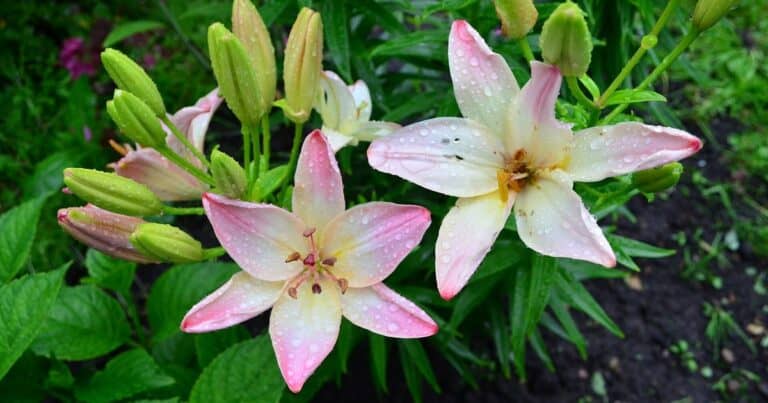
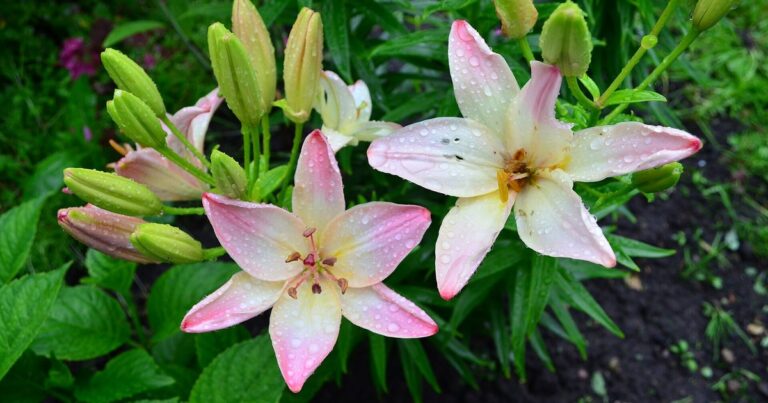
| Lilies (true & day) | Deadly kidney failure in cats — remove entirely |
| Monstera / pothos / ZZ | Calcium oxalates — mouth burning, drooling, vomiting |
| Snake plant | Saponins — nausea, vomiting, diarrhea |
| Fiddle leaf fig | Sap irritant — mouth and gut irritation |
| Aloe vera | Vomiting, lethargy |
| Sago palm | Severe — liver failure, often fatal; remove entirely |
Full lists: toxic houseplants for cats and dogs and houseplants poisonous to dogs.
Why babies are extra at risk
Kittens and puppies explore everything by mouth, have tiny bodies (so a small dose hits harder), and haven’t learned what’s off-limits yet. They’re also faster and bouncier than you expect — a shelf you think is “high enough” often isn’t. Assume they can reach more than you’d guess.
The 5-minute pet-proof checklist
- Remove the deadly ones entirely — lilies (cats) and sago palm. Don’t relocate; rehome them.
- Elevate the mildly toxic ones out of reach, or move them to a closed room.
- Sweep up fallen leaves daily — dropped leaves are just as toxic.
- Secure dangling vines and cords (irresistible to babies).
- Add safe plants at their level so greenery isn’t forbidden fruit. See our pet-safe apartment plants.
- Save the poison-control numbers in your phone (below).
Redirect the chewing
Babies chew plants because chewing feels good and greens are interesting. Give them a legal target: a tray of cat grass for kittens (and safe chew toys for puppies). A cat with its own grass buffet is far less interested in your houseplants.
Give your new kitten a safe green to chew so your houseplants stop being the target. Sprouts in days — here’s how to grow it.
Check price on Amazon →Symptoms + who to call
Per the Pet Poison Helpline, watch for drooling, pawing at the mouth, vomiting, diarrhea, low energy, tremors, or trouble breathing. Symptoms can appear in minutes or take hours to days.
If your new pet does chew something, here’s the full playbook: my cat ate a plant — what to do.
FAQ
What’s the single most important plant to remove for a new kitten?
Lilies. They cause fatal kidney failure in cats — remove them completely, don’t just relocate.
Can I keep my toxic plants if I put them up high?
For mildly toxic plants, high and truly out of reach can work — but kittens climb and leaves drop. For deadly plants (lilies, sago palm), remove them entirely.
Are puppies at risk from plants too?
Yes. Many of the same plants are toxic to dogs, and puppies chew constantly. See houseplants poisonous to dogs.
How do I stop the chewing for good?
Redirect it — cat grass for kittens, chew toys for puppies — plus keep safe plants at their level so greenery isn’t a novelty.
The bottom line
New kitten or puppy? Spend five minutes today: remove the deadly plants (lilies, sago palm) entirely, elevate the mildly toxic ones, sweep fallen leaves, add safe plants and a cat grass tray, and save the poison-control numbers. Future-you (and your new best friend) will be glad you did.
Keep it handy: the plants + pets safety cheat sheet.
Sources
- ASPCA — Toxic and Non-Toxic Plants database
- Pet Poison Helpline — Top Plants Poisonous to Pets
- ASPCA — Animal Poison Control Center
Written by Mo Ruman, a self-taught plant parent who cross-checks every plant against the ASPCA database. Not a vet — in an emergency, always call one. More about Kijani Paws · Ask me about a plant. As an Amazon Associate, Kijani Paws earns from qualifying purchases; this never affects our safety info.
Get the free pet-safe plant checklist
One email when a new ASPCA-verified guide goes live. No spam, unsubscribe anytime.