How to Keep Houseplants Alive in a Dark Apartment
This post contains affiliate links. If you buy through them, I earn a small commission at no extra cost to you. As an Amazon Associate I earn from qualifying purchases.
City living perk: character, walkability, great food. City living con: your “bright” window faces a brick wall three feet away. If your plants keep going leggy and sad, it’s a light problem — and it’s 100% fixable. Here’s how to keep houseplants alive in a dark apartment without a green thumb or a sunny window.
First, figure out your actual light
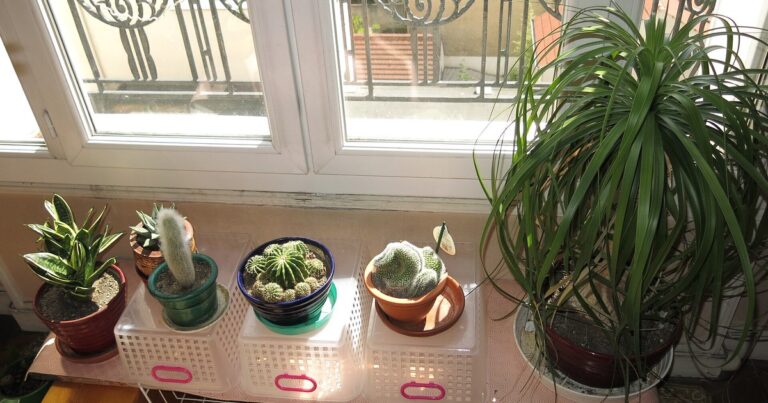
Quick vibe check: at midday, hold your hand a foot above where the plant sits. Sharp, crisp shadow = decent light. Soft, fuzzy shadow = low light. No real shadow = very low light (you’ll want a grow light). Also know your window direction: south = brightest, east/west = medium, north = low. Most NYC “bright” spots are actually medium-to-low.
Pick plants that don’t need much
Set yourself up to win with plants that genuinely tolerate low light — and keep them pet-safe while you’re at it:
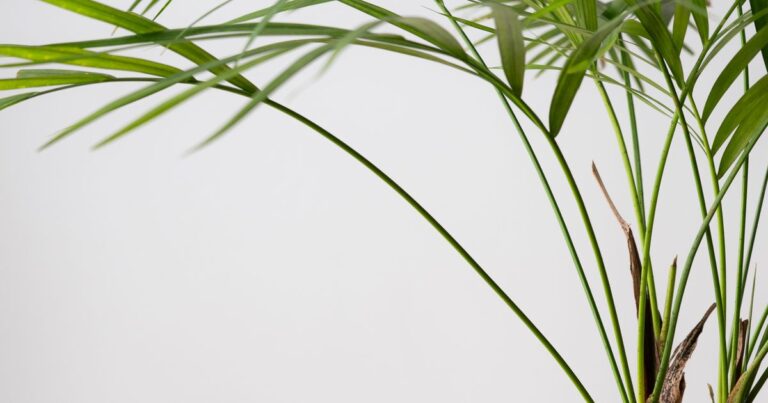
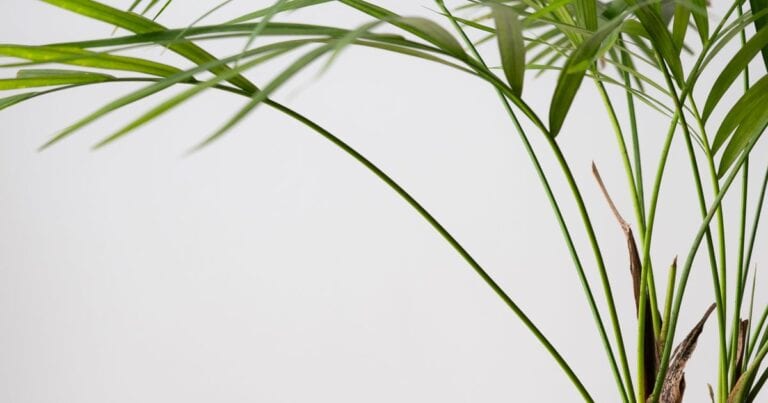
- Parlor palm — the gold standard for low light, and ASPCA non-toxic.
- Spider plant — forgiving of dim corners and neglect.
- Boston fern — likes indirect light + humidity (hello, bathroom).
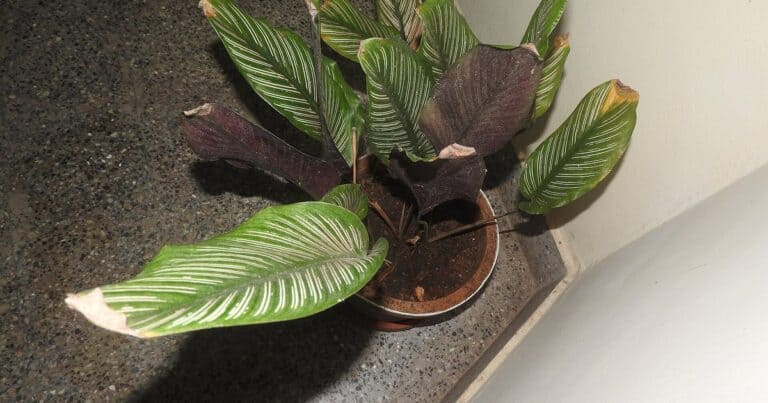
- Calathea — actually prefers medium/lower light so its patterns don’t fade.
(Skip the “low-light” plants that are secretly toxic — snake plant, ZZ, pothos. See the trendy-but-toxic list.)
Add a grow light (the real fix)
Here’s the truth: if your space is genuinely dark, no plant choice fully fixes it — a grow light does. Plants photosynthesize using a slice of light called PAR. Per the University of Minnesota Extension, that’s mostly blue and red wavelengths, and a full-spectrum LED delivers them without turning your room purple. Run it 12–14 hours a day on a timer, 12–24 inches above your plants, and watch the leggy sadness reverse.
The single best upgrade for a dark apartment. Full-spectrum, energy-efficient, and low-heat — get one with a built-in timer so it runs itself. Full setup in our grow lights 101 guide.
Check price on Amazon →Dark-apartment care rules
- Water less. Less light = slower growth = less water needed. Overwatering is the #1 killer in dim rooms. Check that the top inch or two is dry first.
- Rotate weekly. Plants lean toward light; a quarter-turn keeps them even.
- Clean the leaves. Dust blocks the little light they get. Wipe them every couple of weeks.
- Ease off fertilizer. Low-light plants grow slowly and don’t need much feeding.
Keep it pet-safe
Two quick notes for pet homes: hide the grow-light cord (dangling cords are basically cat toys), and modern LEDs run cool so burn risk is low. And obviously — keep your plant lineup pet-safe so a curious nibble is a non-event.
FAQ
Can plants survive with no natural light at all?
Not on window light alone — but yes with a grow light. A full-spectrum LED can fully replace sunlight for houseplants.
How many hours should a grow light run?
About 12–14 hours a day, then off for the night. Use a cheap outlet timer.
What’s the easiest plant for a dark NYC apartment?
Parlor palm or spider plant — both tolerate low light and are ASPCA non-toxic.
Why is my plant getting tall and stretched out?
That’s “legginess” — it’s reaching for light. Move it closer to a window or add a grow light.
The bottom line
A dark apartment isn’t a plant death sentence. Pick low-light, pet-safe plants, add a full-spectrum grow light on a timer, water less, and rotate weekly. Do that and your brick-wall-facing studio can still be a jungle.
More: grow lights 101, how to boost humidity, and the parlor palm care guide.
Sources
- University of Minnesota Extension — Light for Indoor Plants
- ASPCA — Toxic and Non-Toxic Plants database
Written by Mo Ruman, a self-taught plant parent who cross-checks every plant against the ASPCA database. Not a vet — when in doubt, call yours. More about Kijani Paws · Ask me about a plant. As an Amazon Associate, Kijani Paws earns from qualifying purchases; this never affects our safety info.
Get the free pet-safe plant checklist
One email when a new ASPCA-verified guide goes live. No spam, unsubscribe anytime.