My Cat Ate a Plant — What to Do (Step-by-Step Guide)
This post contains affiliate links. If you buy through them, I earn a small commission at no extra cost to you. As an Amazon Associate I earn from qualifying purchases.
You just caught your cat chewing a houseplant, and now your stomach’s in knots. Take a breath. Many plants cause nothing worse than a mild tummy upset — but a few are genuinely dangerous, so it’s worth knowing exactly what to do. Here’s the calm, step-by-step plan.
The 6 steps to take right now
- Remove your cat from the plant. Move them to a safe room and take away any remaining plant pieces so they can’t eat more.
- Check the mouth and clear debris. Gently remove any plant bits from the mouth. Offer fresh water — if the plant caused burning (like pothos or monstera), a little cool water helps flush the irritation.
- Identify the plant. Find the plant tag or take a clear photo, and note the botanical name if you can. This is the single most useful thing you can hand a vet or poison-control expert.
- Note the details. Roughly how much did they eat, and when? Write down the time and any symptoms you’re seeing.
- Call for guidance. Contact your veterinarian or the ASPCA Animal Poison Control Center at (888) 426-4435 (24/7), or the Pet Poison Helpline at 855-764-7661. Have your plant photo and details ready.
- Follow professional instructions. They’ll tell you whether to monitor at home or come in. If advised to go, bring a sample of the plant.
What NOT to do
- Don’t induce vomiting unless a vet or poison-control expert tells you to. With some plants it does more harm than good.
- Don’t give home remedies (milk, salt, hydrogen peroxide) without professional guidance.
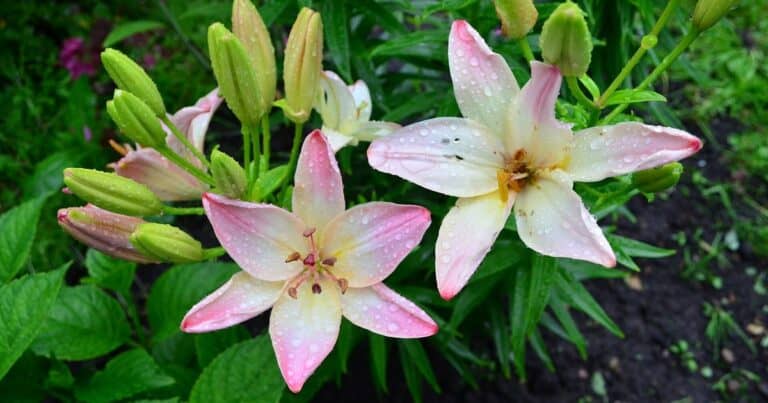
- Don’t wait and see with high-risk plants. With lilies, sago palm, and a few others, delay is the enemy.
The lily emergency (cats only)
Symptoms to watch for
After a plant nibble, keep an eye out for:
- Drooling, pawing at the mouth, or trouble swallowing
- Vomiting or diarrhea
- Loss of appetite or lethargy
- Tremors, twitching, or seizures
- Changes in drinking or urinating
- Difficulty breathing or pale gums (emergency)
Symptoms can appear within minutes or be delayed for hours to days, depending on the plant — which is exactly why identifying it matters so much.
Preventing the next time
The most reliable fix is to redirect the behavior, not just police it. Cats chew greenery on instinct, so give them a legal target: a tray of fresh, safe cat grass. A cat with its own grass buffet is far less interested in your houseplants.

Give your cat a safe green to graze so your houseplants stop being the target. It sprouts in days — the easiest prevention there is. Here’s how to grow it.
Check price on Amazon →Beyond that: move toxic plants out of reach, choose ASPCA-verified pet-safe plants, and learn how to keep cats away from plants.
FAQ
My cat ate a plant but seems fine — should I still worry?
Identify the plant first. If it’s ASPCA non-toxic, monitor for mild stomach upset. If it’s toxic — or you’re unsure — call poison control even if your cat looks okay, since some symptoms are delayed.
How much does the ASPCA poison-control call cost?
A consultation fee may apply, but it’s minor compared to an emergency vet visit — and the guidance can be life-saving.
Should I make my cat throw up?
Not unless a professional tells you to. Inducing vomiting can worsen certain plant injuries.
The bottom line
If your cat ate a plant: remove them from it, clear the mouth, identify the plant, note the details, and call your vet or poison control. Don’t induce vomiting on your own, and treat lilies and sago palm as instant emergencies. Then prevent a repeat with a tray of cat grass and a pet-safe plant lineup.
Related reading: signs your pet ate a toxic plant and the most toxic houseplants for cats and dogs.
Sources
- ASPCA — Animal Poison Control Center
- Pet Poison Helpline — Top Plants Poisonous to Pets
- ASPCA — Toxic and Non-Toxic Plants database
Written by Mo Ruman, a self-taught plant parent who cross-checks every plant against the ASPCA database. Not a vet — in an emergency, always call one. More about Kijani Paws · Ask me about a plant. As an Amazon Associate, Kijani Paws earns from qualifying purchases; this never affects our safety information.
Get the free pet-safe plant checklist
One email when a new ASPCA-verified guide goes live. No spam, unsubscribe anytime.




5 Comments
Comments are closed.