Best Indoor Plants for Air Quality (That Are Also Safe for Pets)
This post contains affiliate links. If you buy through them, I earn a small commission at no extra cost to you. As an Amazon Associate I earn from qualifying purchases.
You have probably seen the “air purifying plants” claim hundreds of times. It traces back to a 1989 NASA study that tested common houseplants in sealed chambers for their ability to remove volatile organic compounds (VOCs). The study produced real results — but the most important detail is usually left out: many of the plants NASA tested most effectively are also ASPCA-toxic to cats and dogs.
This guide covers the best indoor plants for air quality that are also safe for your pets, plus honest context about which popular air-purifying plants you should avoid if you have cats or dogs. All safety classifications are from the ASPCA Toxic and Non-Toxic Plants database. If your pet eats any plant in question, call ASPCA Poison Control: (888) 426-4435.
A Note on the NASA Study
The 1989 NASA Clean Air Study tested plants in sealed, controlled chambers — not in typical homes with open windows and air circulation. Real-world air purification from houseplants is measurably smaller than the study suggested. You would need dozens of plants to meaningfully filter a normal room. Grow plants because they are beautiful, improve mood, and add humidity to dry indoor air — not primarily as air filtration systems. That said, the plants that performed well in the study are still genuinely good houseplants.
Pet-Safe Plants That Also Help Air Quality
1. Spider Plant (Chlorophytum comosum) — ASPCA Non-Toxic ✅
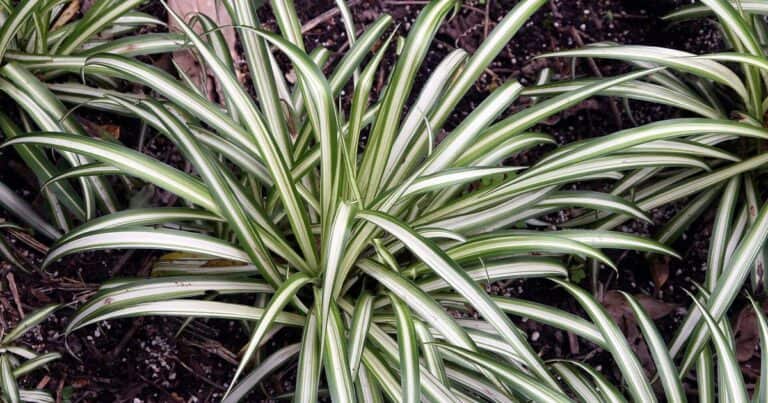
Spider plant was one of the top performers in the NASA study, particularly effective at removing formaldehyde and xylene from test chambers. It also naturally transpires moisture into the air, which helps maintain humidity — important for respiratory comfort in dry climates. The ASPCA confirms spider plant is non-toxic to cats and dogs, making it the single best combination of air-beneficial and pet-safe on this list.
→ Buy on Amazon: Bonnie Curly Spider Plant | Glass Plant Propagation Stations Plants | Costa Farms Clean Air White
See our full spider plant care guide for growing tips.
2. Boston Fern (Nephrolepis exaltata) — ASPCA Non-Toxic ✅
Boston ferns are among the best natural humidifiers available as a houseplant — they transpire significant moisture through their fronds. In low-humidity environments (forced-air heating, dry climates), a large Boston fern near your living space genuinely adds noticeable humidity. They also remove formaldehyde from the air in test conditions. The ASPCA confirms Boston fern is non-toxic to cats and dogs.
→ Buy on Amazon: Exo Terra Boston Terrarium Medium | Garden Elements Classic Boston Plant | Fertilizer Ruffles Compacta
Care requirements: see our Boston Fern care guide.
3. Calathea / Prayer Plant (Calathea spp.) — ASPCA Non-Toxic ✅
Calathea also transpires significantly and contributes to indoor humidity regulation. It is ASPCA confirmed non-toxic to cats and dogs. While not one of the original NASA study plants, calathea is broadly recommended for improving indoor air humidity and is one of the most visually dramatic houseplants available.
→ Buy on Amazon: Rattlesnake Calathea Live Plant Lancifolia | Stromanthe Triostar Colorful Calathea Houseplant | JM BAMBOO Calathea Plants
4. Parlor Palm (Chamaedorea elegans) — ASPCA Non-Toxic ✅
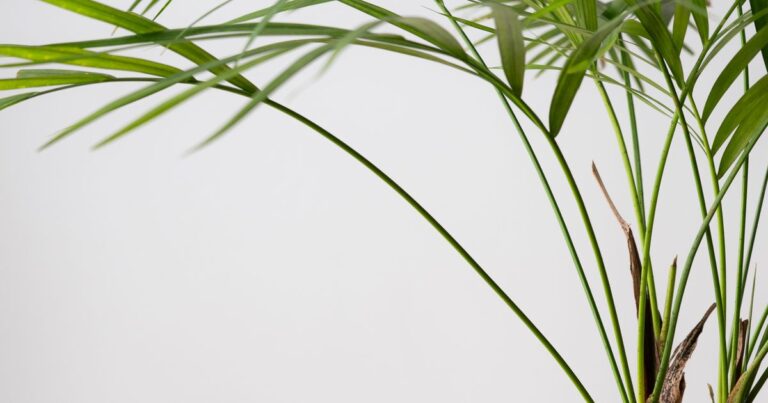
Parlor palm appeared in the NASA study and was effective at removing benzene and trichloroethylene in test conditions. It is ASPCA confirmed non-toxic to cats and dogs, grows well in low-light conditions, and provides a large leaf surface area for air exchange. One of the most versatile pet-safe plants for air quality.
→ Buy on Amazon: Costa Farms Clean Collection Assorted | Thorsens Greenhouse Neanthe Purifier Diameter | Costa Farms Neanthe 16 Inches
Popular “Air Purifying” Plants That Are Toxic to Pets — Avoid
These are the most commonly recommended air-purifying plants. They performed well in the NASA study. They are also ASPCA-classified toxic to cats and dogs. If you have pets with plant access, do not bring these home.
| Plant | ASPCA Status | Why People Recommend It |
|---|---|---|
| Snake Plant (Dracaena / Sansevieria) | ⚠️ Toxic to cats & dogs | Top NASA performer, very low maintenance |
| Golden Pothos (Epipremnum aureum) | ⚠️ Toxic to cats & dogs | Strong VOC removal, trailing aesthetic |
| Peace Lily (Spathiphyllum) | ⚠️ Toxic to cats & dogs | Highest NASA ranking, filters multiple VOCs |
| Monstera (Monstera deliciosa) | ⚠️ Toxic to cats & dogs | Large leaf surface, popular aesthetic |
See our full breakdown: Monstera, Pothos, ZZ Plant, and Snake Plant — toxic to pets.
Maximise What Your Plants Do for Indoor Air
If you want your pet-safe plants to do more for air quality, two things help significantly more than adding more plants:
Grow lights extend active hours. Plants only photosynthesize and transpire during light hours. A full-spectrum grow light extends the active period beyond daylight hours, increasing air exchange and humidity contribution. Full-spectrum grow lights on Amazon | Aokrean Spectrum Adjustable Spectrums Brightness.
More plant mass = more effect. A large, bushy Boston fern does more than a small one. Larger, more mature plants have significantly more leaf surface area. Prioritize giving your existing plants optimal conditions to grow large over buying many small plants.
Frequently Asked Questions
Which indoor plant is best for air quality and safe for pets?
Spider plant is the best single choice — it was one of the top performers in the NASA Clean Air Study and is ASPCA confirmed non-toxic to cats and dogs. Boston fern is an excellent second choice, particularly for adding humidity to dry indoor air.
Is snake plant safe for cats?
No. The ASPCA classifies snake plant (Dracaena trifasciata / Sansevieria) as toxic to cats and dogs. Despite being one of the most-recommended air-purifying plants, it should not be grown within reach of pets. Parlor palm is a pet-safe alternative with similar air-quality benefits.
Do indoor plants actually improve air quality?
Modestly, yes — but significantly less than the original NASA study suggested. The study used sealed chambers; real homes have open windows, ventilation, and much larger air volumes. A 2019 analysis found you would need 10–1,000 plants per square meter to achieve the VOC reduction rates the NASA study showed. Grow plants for the mood benefits, aesthetics, and added humidity — not as a replacement for ventilation.
Can I grow air-purifying plants safely if I have cats?
Yes — stick to the four listed here: spider plant, Boston fern, calathea, and parlor palm. All are ASPCA non-toxic and all contribute to indoor air quality through transpiration and gas exchange. Keep plants well-watered and healthy for maximum effect. See our full list of 15 ASPCA-verified pet-safe houseplants.
The safest approach: build your indoor garden around ASPCA-confirmed non-toxic plants. You do not have to choose between air quality and pet safety — you just have to choose the right plants.
Get the free pet-safe plant checklist
One email when a new ASPCA-verified guide goes live. No spam, unsubscribe anytime.