Christmas Cactus Care: The Pet-Safe Winter Bloomer
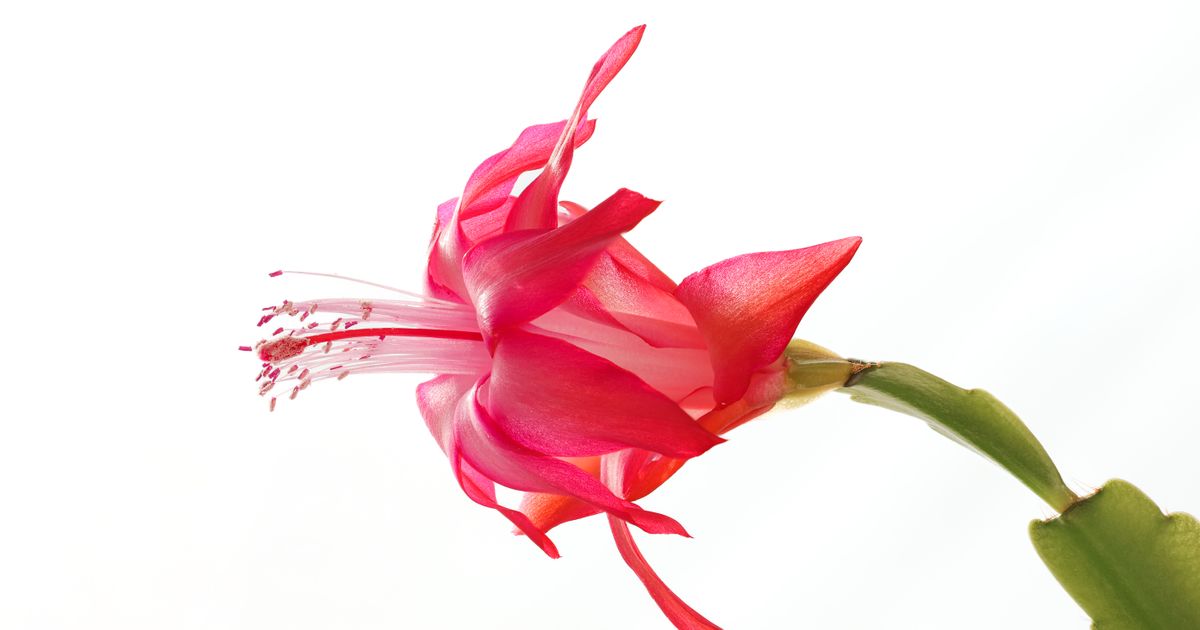
Christmas cactus care is refreshingly easy, and the best part is that the Christmas cactus is safe for cats and dogs. This guide covers everything you need to keep one blooming in a pet home.
The Christmas cactus (Schlumbergera) is the cheerful winter bloomer that bursts into pink and red flowers right when you need color most. Good news: it is both gorgeous and truly pet-safe.
Is the Christmas cactus safe for pets?
Yes. The Christmas cactus is safe for cats and dogs, which is the first thing every pet owner wants to know.
The ASPCA lists the Christmas cactus as non-toxic to cats, dogs, and horses. Its plant name is Schlumbergera, and I checked it before writing this Christmas cactus care guide.
As with any plant, a pet that eats a lot may get a mild upset stomach, but the Christmas cactus itself is not poison. That makes it one of the few flowering plants you can keep out in the open.
Christmas cactus care at a glance
| Need | What the Christmas cactus wants |
|---|---|
| Light | Bright, indirect light |
| Water | When the top inch of soil is dry |
| Humidity | Medium; it likes a little moisture |
| Soil | Well-draining potting mix |
| Pet safety | ASPCA non-toxic to cats and dogs |
Christmas cactus care: light
Give your Christmas cactus bright, indirect light. It is a jungle cactus, not a desert one, so harsh direct sun can scorch and bleach the leaf segments.
A spot near an east or north window is ideal for everyday Christmas cactus care. Too little light, and you get lush leaves but few flowers.
Christmas cactus care: water
Unlike desert cacti, this plant likes steady moisture. Water when the top inch of soil feels dry, then let it drain fully.
The fastest way to ruin Christmas cactus care is to let the pot sit in water, which rots the roots. Ease off in fall to trigger blooming, then resume once buds form.
How to make it bloom
The secret to flowers is a cool, dark rest period in fall. About six to eight weeks before you want blooms:
- Give it 12 to 14 hours of darkness each night (a spare room or closet works).
- Keep it cool, around 50 to 60°F.
- Water sparingly during this rest.
Once buds appear, move it back to its bright spot and resume normal Christmas cactus care.
Common problems
- Limp, wrinkled segments: usually underwatering or, ironically, root rot from overwatering. Check the soil.
- Buds dropping: often caused by a sudden change in light, temperature, or location. Keep it steady once budding.
- No flowers: it did not get its cool, dark rest. Try the bloom routine above.
- Reddish leaves: too much direct sun. Move it to brighter shade.
Christmas cactus care FAQ
Is the Christmas cactus toxic to cats?
No. The ASPCA lists the Christmas cactus (Schlumbergera) as non-toxic to cats.
Is the Christmas cactus safe for dogs?
Yes. It is non-toxic to dogs as well, which is why it is a favorite for pet homes.
How often should I water a Christmas cactus?
Water when the top inch of soil is dry. Good Christmas cactus care keeps the soil lightly moist, never soggy.
Why won’t my Christmas cactus bloom?
It needs a cool, dark rest in fall. Give it long nights and cooler temps for six to eight weeks to trigger buds.
Is it the same as an Easter cactus?
They are close relatives in the same non-toxic group, so the care is nearly identical and both are pet-safe.
The bottom line
The Christmas cactus is a rare treat: a flowering plant that is genuinely pet-safe and easy. Master the simple Christmas cactus care basics — bright indirect light, water when dry, and a cool fall rest — and it will reward you with blooms for years.
Want more safe picks? My money tree care guide and areca palm care guide are both pet-safe too. And see which succulents are safe for cats.
If your pet ever chews something you are unsure about, here are the signs your pet ate a toxic plant and what to do next.
Sources
- ASPCA — Christmas Cactus (non-toxic to cats and dogs)
- ASPCA — Toxic and Non-Toxic Plant List for Cats
Written by Mo Ruman, a self-taught plant parent who cross-checks every plant against the ASPCA database. Not a vet — when in doubt, call your vet. More about Kijani Paws · Ask me about a plant.
Get the free pet-safe plant checklist
One email when a new ASPCA-verified guide goes live. No spam, unsubscribe anytime.



One Comment
Comments are closed.