Are Succulents Safe for Cats? The Safe and Toxic List
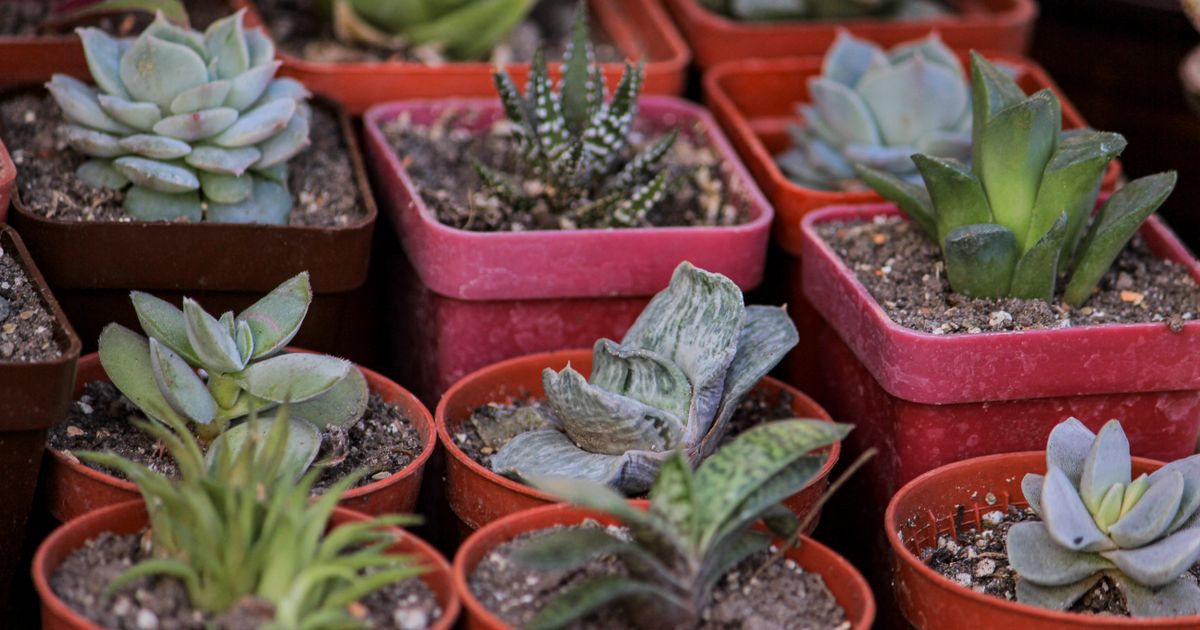
Are succulents safe for cats? Some are, but many are not. The honest answer is that the succulent world is a mix, so this guide sorts out the succulents safe for cats from the toxic ones to avoid.
Here is the thing: succulents are trendy and easy, which is exactly why pet owners love them. Just know that “easy to grow” does not always mean “safe to grow” around a curious cat.
Are succulents safe for cats?
Some succulents are safe for cats, and some are toxic, so you cannot treat “succulents” as one group. A few popular ones, including aloe vera and the jade plant, are listed by the ASPCA as toxic.
The good news is that there are genuinely pet-safe options. Once you know which succulents are safe for cats, you can keep the look without the worry. Always confirm any plant on the ASPCA database before you buy.
Succulents safe for cats
These succulents are safe for cats, confirmed non-toxic by the ASPCA:
- Haworthia: the standout. This small, spiky rosette looks like a mini aloe but is non-toxic to cats and dogs. If you want one go-to succulent safe for cats, this is it.
- Christmas cactus (Schlumbergera): non-toxic to cats and dogs, with pretty winter blooms. The Easter cactus is the same safe group.
Both of these succulents safe for cats are low-maintenance and widely sold, so they make easy swaps for the toxic ones below.
Toxic succulents to avoid
These common succulents are not safe for cats. The ASPCA lists each as toxic:
- Aloe vera: toxic to cats, causing vomiting and lethargy. See my aloe vera safety guide.
- Jade plant (Crassula): toxic to cats, causing vomiting and incoordination. See my jade plant safety guide.
- Kalanchoe: toxic to cats, causing vomiting, diarrhea, and, rarely, an abnormal heart rhythm. Sold as mother-of-millions and devil’s backbone too.
Many trailing and flowering succulents are also toxic, so if a succulent is not on a confirmed safe list, check it before assuming it is one of the succulents safe for cats.
Signs your cat ate a toxic succulent
If your cat got into a toxic succulent, watch for:
- Vomiting or drooling
- Diarrhea
- Lethargy or hiding
- Loss of appetite
- Wobbliness or, rarely, an irregular heartbeat (a serious sign)
What to do if your cat eats one
Move quickly and calmly:
- Take the succulent away and clear any chewed pieces.
- Gently remove plant bits from your cat’s mouth.
- Do not induce vomiting unless a vet directs you to.
- Call your vet or the ASPCA Animal Poison Control Center at (888) 426-4435.
Succulents safe for cats FAQ
What succulents are safe for cats?
Haworthia and Christmas cactus are succulents safe for cats, both confirmed non-toxic by the ASPCA.
Is aloe vera safe for cats?
No. Aloe vera is toxic to cats, so it is not one of the succulents safe for cats despite being a popular plant.
Is the jade plant safe for cats?
No. The jade plant is toxic to cats, causing vomiting and incoordination.
What is the best succulent safe for cats?
Haworthia is the best pick. It mimics the aloe look but is genuinely one of the succulents safe for cats.
How do I know if a succulent is safe?
Always check the plant’s name against the ASPCA database, since many succulents look alike but differ in toxicity.
The bottom line
So, are succulents safe for cats? Some absolutely are, like haworthia and Christmas cactus, while others like aloe, jade, and kalanchoe are toxic. Stick to confirmed succulents safe for cats, double-check every label against the ASPCA, and you can enjoy the trend safely.
Want more safe greenery? Try my money tree care guide or areca palm care guide. And know the signs of plant poisoning in cats just in case.
Sources
- ASPCA — Haworthia (non-toxic)
- ASPCA — Christmas Cactus (non-toxic)
- ASPCA — Aloe (toxic)
- ASPCA — Jade Plant (toxic)
- ASPCA — Kalanchoe (toxic)
Written by Mo Ruman, a self-taught plant parent who cross-checks every plant against the ASPCA database. Not a vet — when in doubt, call your vet. More about Kijani Paws · Ask me about a plant.
Get the free pet-safe plant checklist
One email when a new ASPCA-verified guide goes live. No spam, unsubscribe anytime.

2 Comments
Comments are closed.