Plant Poisoning in Cats: Symptoms and What to Do
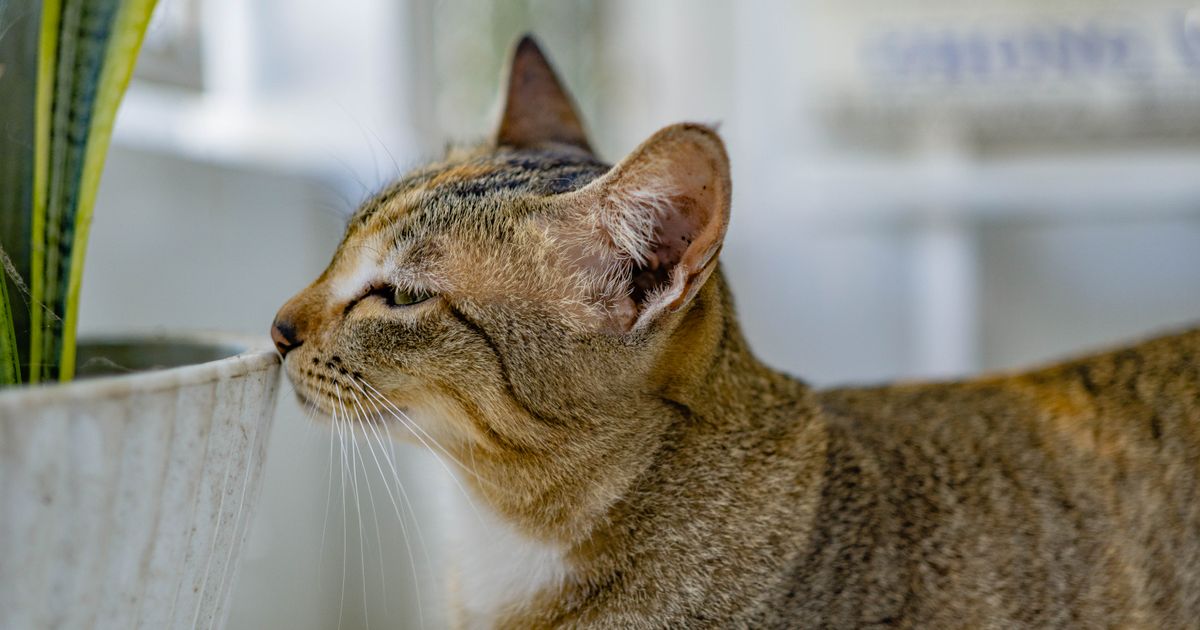
Plant poisoning in cats can happen in seconds, and spotting it early can save your cat’s life. This guide walks through the symptoms of plant poisoning in cats, what to do right away, and how to prevent it.
Real talk: cats are nibblers, and even a careful pet parent can miss a chewed leaf. Knowing what to look for is your best safety net.
What is plant poisoning in cats?
Plant poisoning in cats happens when a cat eats, chews, or even grooms pollen from a plant that is toxic to them. Reactions range from a mildly upset stomach to organ failure, depending on the plant.
Because cats groom constantly, they can swallow toxins just by brushing against a plant. That is what makes plant poisoning in cats sneakier than many owners expect.
Symptoms of plant poisoning in cats
The most common symptoms of plant poisoning in cats include:
- Vomiting or retching
- Drooling or foaming at the mouth
- Diarrhea
- Loss of appetite
- Pawing at the mouth or face
- Lethargy, hiding, or unusual quietness
- Excessive thirst or urination
Many cases of plant poisoning in cats start with drooling and vomiting, so never brush those off if a plant is nearby.
Severe warning signs
Some symptoms of plant poisoning in cats mean you should treat it as an emergency and call your vet immediately:
- Difficulty breathing
- Tremors, twitching, or seizures
- Stumbling or a wobbly, uncoordinated walk
- Collapse or extreme weakness
- Swelling of the mouth, tongue, or throat
With lilies especially, signs of kidney trouble can appear within hours, so do not wait and see.
What to do right now
If you suspect plant poisoning in cats, act quickly and calmly:
- Remove your cat from the plant and take the plant away.
- Gently clear any plant pieces from your cat’s mouth and wipe pollen off the fur.
- Do not try to make your cat vomit unless a vet directs you to.
- Identify the plant, or snap a photo, so the vet can judge the danger.
- Call your vet or the ASPCA Animal Poison Control Center at (888) 426-4435 right away.
Common plants behind poisoning
A few common houseplants and flowers cause most cases of plant poisoning in cats. The worst offenders, all ASPCA-listed as toxic, include:
- Lilies — the most dangerous; can cause fatal kidney failure. See why lilies and cats do not mix.
- Pothos and philodendron — cause intense mouth irritation and drooling.
- Aloe vera — see my aloe vera safety guide.
- Jade plant — see my jade plant safety guide.
- Tulips and daffodils — common in bouquets. See flowers toxic to cats.
How to prevent plant poisoning in cats
The best cure is prevention. To lower the risk of plant poisoning in cats:
- Check every new plant against the ASPCA database before buying.
- Choose pet-safe plants like the spider plant, Boston fern, or areca palm.
- Offer cat grass as a safe chewing outlet.
- Keep risky bouquets in a closed room your cat cannot enter.
- Save the ASPCA number in your phone now, before you need it.
Plant poisoning in cats FAQ
How fast do symptoms of plant poisoning in cats appear?
It varies by plant. Mouth irritation can be immediate, while lily-related kidney signs may take hours. Never wait to see if it passes.
What is the first sign of plant poisoning in cats?
Drooling and vomiting are often the first signs of plant poisoning in cats, sometimes with pawing at the mouth.
Should I make my cat throw up?
No. Do not induce vomiting unless a vet or the ASPCA hotline tells you to, as it can cause more harm.
My cat seems fine after chewing a leaf. Am I safe?
Not necessarily. Some toxins act slowly, so call your vet or the ASPCA even if your cat looks okay.
Which plant causes the most serious plant poisoning in cats?
True lilies are the most dangerous and can cause fatal kidney failure, even from pollen or vase water.
The bottom line
Plant poisoning in cats is scary, but quick action makes all the difference. Learn the symptoms, keep the ASPCA number handy, and lean on pet-safe plants so your home stays green and your cat stays healthy.
Want safe picks? Try my money tree care guide or areca palm care guide. And see which foods are toxic to cats and dogs too.
Sources
Written by Mo Ruman, a self-taught plant parent who cross-checks every plant against the ASPCA database. Not a vet — when in doubt, call your vet. More about Kijani Paws · Ask me about a plant.
Get the free pet-safe plant checklist
One email when a new ASPCA-verified guide goes live. No spam, unsubscribe anytime.



One Comment
Comments are closed.