Flowers Toxic to Cats: The Common Blooms to Avoid
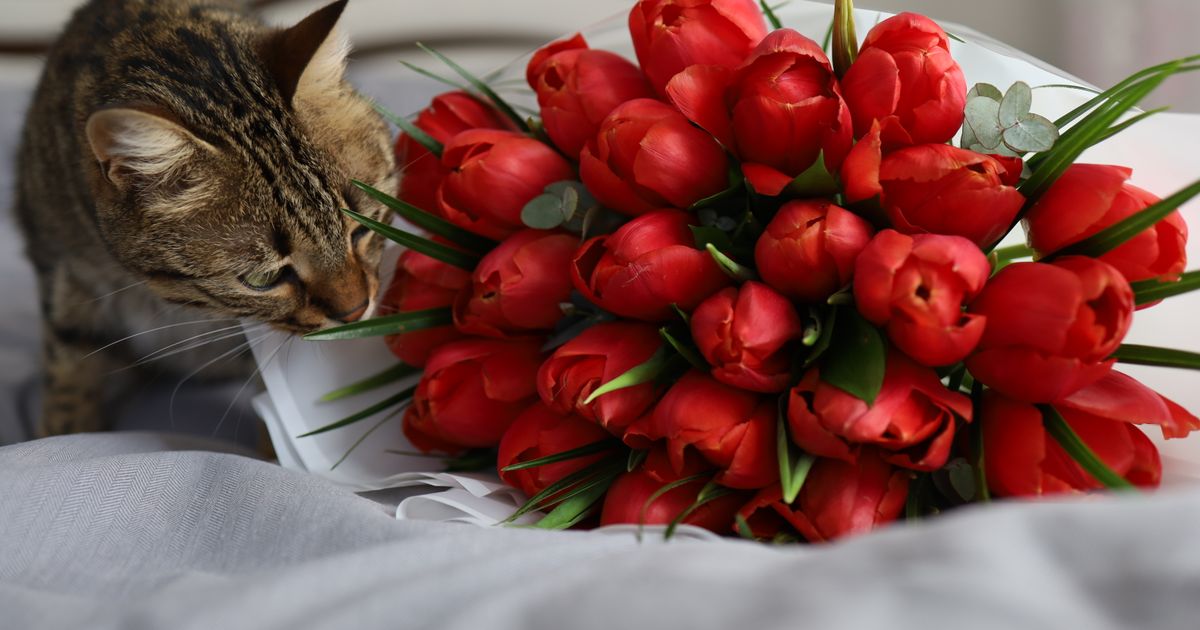
Flowers toxic to cats are more common than most people think, and a lot of them hide in everyday grocery-store bouquets. If you searched “flowers toxic to cats,” this guide lists the worst offenders and the safe blooms you can keep instead.
Real talk: that pretty bouquet someone gifted you could send your cat to the vet. Here is what the ASPCA actually says, flower by flower.
Why flowers toxic to cats matter so much
Cats are curious, and cut flowers sit right at nose height on tables and counters. A cat will bat, sniff, and chew a bloom long before you notice.
Because of that, flowers toxic to cats are a real, everyday risk, not a rare one. The good news is that once you know which flowers to avoid, keeping your cat safe is simple.
Lilies — the most dangerous of all
If you remember one thing about flowers toxic to cats, make it this: true lilies are deadly to cats.
The ASPCA lists lilies (Lilium species) as toxic to cats, and even small exposures, like pollen on the fur or water from the vase, can cause kidney failure. This includes Easter lilies, Tiger lilies, Stargazer lilies, and Asiatic lilies.
There is no safe amount. If a true lily is anywhere in your home and you have a cat, treat any contact as an emergency and call your vet right away.
More flowers toxic to cats
Lilies are the worst, but they are not alone. These popular blooms are also flowers toxic to cats, all confirmed by the ASPCA:
- Tulips (Tulipa): toxic to cats and dogs. The bulb holds the most toxin, causing vomiting, drooling, and diarrhea.
- Daffodils (Narcissus): toxic to cats. Large amounts can cause tremors, low blood pressure, and heart problems. Bulbs are the most poisonous part.
- Hyacinths (Hyacinthus): toxic to cats. Expect intense vomiting and diarrhea, sometimes with tremors.
- Azaleas / Rhododendron: toxic to cats. These can cause vomiting, weakness, and even cardiac failure in serious cases.
Put simply, if a bouquet contains any of these flowers toxic to cats, keep it in a closed room your cat cannot enter, or skip it entirely.
Signs your cat ate a toxic flower
Watch for these common signs after any run-in with flowers toxic to cats:
- Vomiting or drooling
- Diarrhea
- Loss of appetite or hiding
- Lethargy or weakness
- Tremors or a wobbly walk (a serious sign)
With lilies especially, signs of kidney trouble can appear within hours, so never wait and see.
What to do if your cat eats a flower
Move quickly and calmly:
- Take the flowers away and clear any fallen petals, leaves, or pollen.
- Gently wipe pollen off your cat’s fur and paws so it is not groomed and swallowed.
- Do not try to make your cat vomit unless a vet tells you to.
- Call your vet or the ASPCA Animal Poison Control Center at (888) 426-4435 right away.
- Bring the flower name or a photo so your vet can act fast.
Pet-safe flowers you can keep
You do not have to give up fresh blooms. These flowers are ASPCA non-toxic to cats:
- Roses (watch the thorns, but the flower is safe)
- Sunflowers
- Gerbera daisies
- Orchids — see my guide on orchids and cats
- Snapdragons and asters
Before you buy any bouquet, double-check each stem against the ASPCA database, since florists often mix safe and toxic flowers in one arrangement.
Flowers toxic to cats FAQ
What flowers are most toxic to cats?
True lilies (Lilium) are the most dangerous flowers toxic to cats and can cause fatal kidney failure. Tulips, daffodils, hyacinths, and azaleas are also toxic.
Are roses toxic to cats?
No. Roses are non-toxic to cats per the ASPCA, though the thorns can still scratch.
Can lily pollen really hurt my cat?
Yes. Even pollen on the fur or water from the vase can poison a cat. This is what makes lilies the scariest of all flowers toxic to cats.
Is it safe to have a bouquet if I keep it high up?
Cats jump and climb, so “high up” is rarely safe. With flowers toxic to cats, keep them in a closed room or choose pet-safe blooms.
My cat brushed against a daffodil. Should I worry?
Watch for vomiting, drooling, or wobbliness, and call your vet or the ASPCA hotline if anything seems off.
The bottom line
Plenty of beautiful flowers are toxic to cats, with lilies topping the list as truly life-threatening. Learn the names, screen every bouquet, and lean on pet-safe blooms like roses and orchids so you can enjoy flowers without the fear.
Want safe greenery too? Try my money tree care guide or areca palm care guide. And if you have a dog, see houseplants poisonous to dogs.
If your pet ever chews something you are unsure about, here are the signs your pet ate a toxic plant and what to do next.
Sources
Written by Mo Ruman, a self-taught plant parent who cross-checks every plant against the ASPCA database. Not a vet — when in doubt, call your vet. More about Kijani Paws · Ask me about a plant.
Get the free pet-safe plant checklist
One email when a new ASPCA-verified guide goes live. No spam, unsubscribe anytime.




3 Comments
Comments are closed.