Is Aloe Vera Toxic to Cats? Yes — The ASPCA Says So
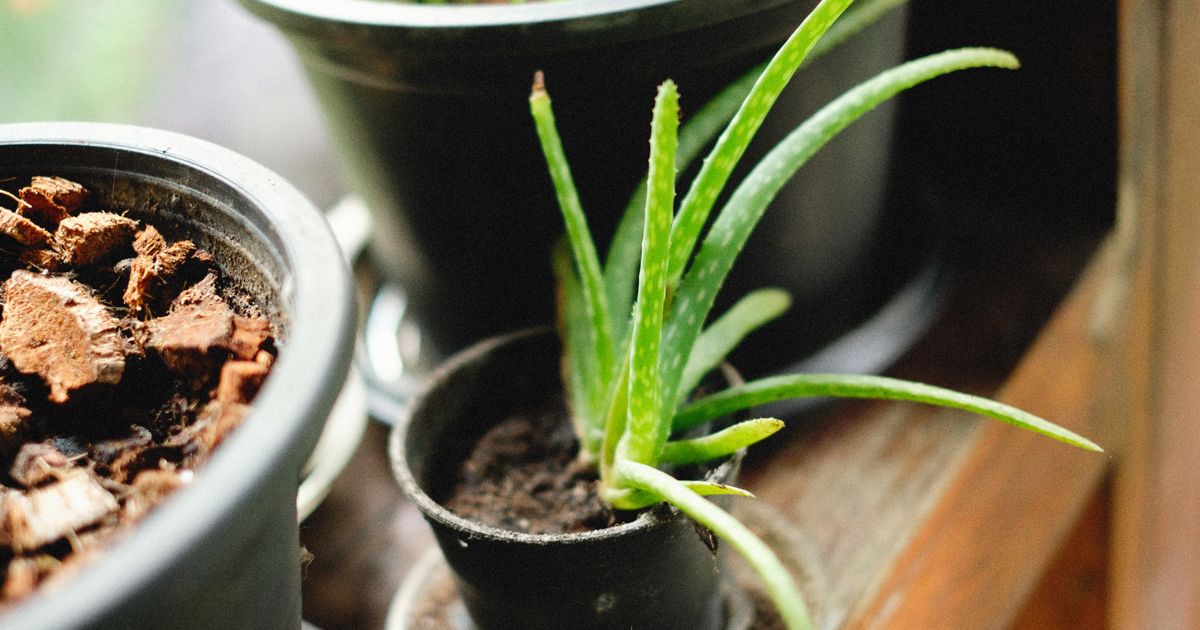
Is aloe vera toxic to cats? Yes. Even though aloe vera is a wellness staple for people, aloe vera is toxic to cats and to dogs. This one surprises a lot of pet owners.
If you searched “aloe vera toxic to cats,” you are right to double-check. You use aloe for sunburns, so it feels harmless. But for a cat, that same plant is a problem. Here is what the ASPCA actually says.
Is aloe vera toxic to cats?
Yes, aloe vera is toxic to cats. The ASPCA lists aloe vera as toxic to cats, dogs, and horses. Its plant name is Aloe vera, and I checked it before writing this guide.
So while aloe is great in your skincare cabinet, the living plant should not be where a cat can chew it. The aloe vera toxic to cats warning is about the whole leaf, which is the part pets actually bite.
Why aloe vera is toxic to cats and dogs
The trouble is in two compounds: saponins and anthraquinones. These are concentrated in the leaf, especially the bitter layer just under the skin.
When a cat or dog eats the leaf, those compounds irritate the gut and act as a harsh laxative. That is the core reason aloe vera is toxic to cats, even though the plant is sold as a healing herb for humans.
What about the aloe gel?
Here is the nuance. The ASPCA notes that the clear inner gel is considered edible. The harmful parts are the saponins and anthraquinones in the leaf, not the pure gel.
But real talk: a curious cat does not carefully eat only the gel. It bites the whole leaf, bitter layer and all. So in practice, treat the aloe vera plant as toxic to cats and keep it out of reach.
Signs your cat ate aloe vera
If your cat got into an aloe vera plant, watch for these ASPCA-listed signs:
- Vomiting
- Lethargy or unusual tiredness
- Diarrhea
Signs are usually digestive rather than life-threatening, but a small cat can get dehydrated fast from vomiting and diarrhea, so do not just wait it out.
What to do if your cat eats aloe vera
Move quickly and calmly:
- Take the aloe vera plant away and clean up any chewed pieces.
- Check and gently clear your cat’s mouth of plant bits.
- Do not induce vomiting unless a vet directs you to.
- Make sure fresh water is available, since diarrhea can dehydrate your cat.
- Call your vet or the ASPCA Animal Poison Control Center at (888) 426-4435.
Pet-safe plants to grow instead
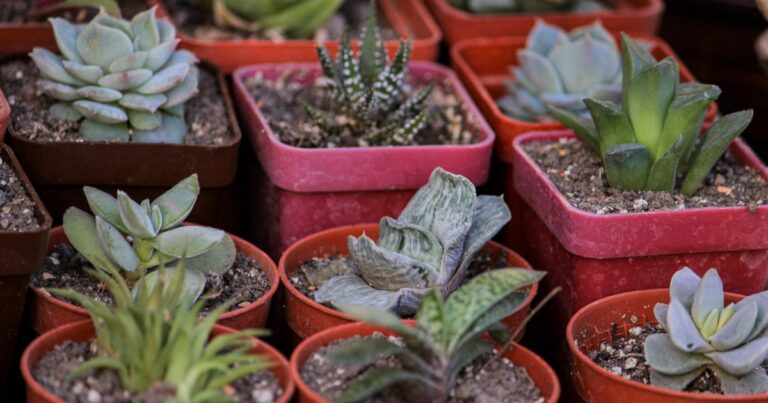
Want that sculptural, low-water succulent look without the risk? Try these ASPCA non-toxic options:
- Haworthia: looks a lot like a small aloe but is pet-safe.
- Peperomia: thick, easy leaves and very forgiving.
- Spider plant: tough, architectural, and safe for cats and dogs.
- Money tree: a hardy, pet-safe statement plant. See my money tree care guide.
Haworthia is the standout swap here — it gives you the aloe shape your shelf is missing, minus the toxicity.
Aloe vera and cats FAQ
Is aloe vera toxic to cats?
Yes. The ASPCA lists aloe vera (Aloe vera) as toxic to cats.
Is aloe vera toxic to dogs too?
Yes. Aloe vera is toxic to dogs and horses as well as cats.
Is aloe gel safe for cats?
The ASPCA says the pure inner gel is considered edible, but the leaf is not. Since pets eat the whole leaf, keep the plant away from them.
Can I use aloe vera skincare around my cat?
This guide is about the living plant. For aloe products applied to pets, ask your vet first, as some are not formulated for animals.
What is a good pet-safe alternative to aloe vera?
Haworthia looks similar and is non-toxic. Peperomia, spider plant, and money tree are great safe choices too.
The bottom line
Bottom line on the aloe vera toxic to cats question: yes, it is, for dogs too, even though it is a beloved human remedy. Keep the living plant out of reach or, better yet, swap it for a pet-safe look-alike like haworthia and skip the worry entirely.
Want safe picks instead? Try my money tree care guide or areca palm care guide. And see the other popular plants pet owners should avoid.
If your pet ever chews something you are unsure about, here are the signs your pet ate a toxic plant and what to do next.
Sources
Written by Mo Ruman, a self-taught plant parent who cross-checks every plant a
One email when a new ASPCA-verified guide goes live. No spam, unsubscribe anytime.Get the free pet-safe plant checklist
4 Comments
Comments are closed.