Areca Palm Care: The Lush, Pet-Safe Indoor Palm
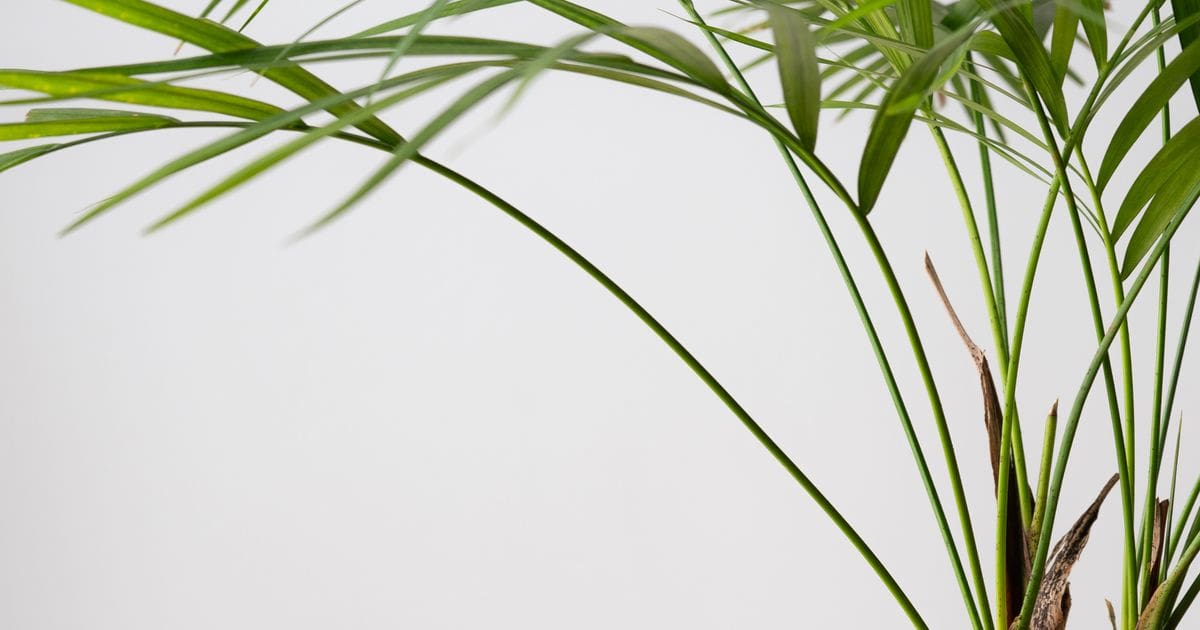
Areca palm care is easy once you know the rules, and the best part is that the areca palm is safe for cats and dogs. This guide covers everything you need to keep one lush in a pet home.
The areca palm (Dypsis lutescens) is that big, feathery indoor palm that turns a corner into a jungle. Good news: it is both gorgeous and truly pet-safe.
Is the areca palm safe for pets?
Yes. The areca palm is safe for cats and dogs, which is the first thing every pet owner wants to know.
The ASPCA lists the areca palm as non-toxic to dogs, cats, and horses. Its plant name is Dypsis lutescens, and I checked it before writing this areca palm care guide.
You may also see it sold as the golden cane palm, butterfly palm, or yellow palm. Same plant, same pet-safe status.
So you can keep this big palm right on the floor without worry. If your dog brushes past it or your cat nibbles a frond, no harm done. As with any plant, a pet that eats a lot may get a mild upset stomach, but the areca palm is not poison.
Areca palm care at a glance
Here is the short version before we dig into areca palm care step by step.
| Need | What the areca palm wants |
|---|---|
| Light | Bright, indirect light |
| Water | When the top inch of soil is dry; keep lightly moist |
| Humidity | Medium to high; it loves moist air |
| Soil | Light, well-draining potting mix |
| Pet safety | ASPCA non-toxic to cats and dogs |
Areca palm care: light
Give your areca palm bright, indirect light. A spot near a sunny window, just out of the direct beam, is ideal.
A little gentle morning sun is fine, but harsh afternoon sun will scorch the fronds yellow. In a dim corner the palm survives but grows slowly and thin. Rotate the pot every couple of weeks so every side gets light and the palm stays full and even.
Areca palm care: water
Watering is where most areca palm care goes sideways. This palm likes its soil lightly moist, but never soggy.
Water when the top inch of soil feels dry, then water until it runs out the drainage holes, and empty the saucer. In summer that is often once or twice a week. In winter, far less.
Soggy roots cause root rot, the fastest way to kill an areca palm. If your tap water is heavily treated, the fronds may brown at the tips, so filtered or rainwater can help.
Humidity and temperature
Here is the thing the areca palm really cares about: moist air. It is a tropical plant, and dry indoor air gives it brown, crispy frond tips.
Boost humidity with a pebble tray, a nearby humidifier, or by grouping it with other plants. Keep it in normal room temperatures between 65 and 75°F, and away from cold drafts and blasting heat vents.
Soil, potting, and feeding
Use a light, well-draining potting mix. A standard houseplant mix loosened with perlite or sand suits areca palm care well.
Feed with a balanced liquid fertilizer once a month in spring and summer, then pause in fall and winter. Arecas like being a little snug, so only repot every two to three years when roots fill the pot.
Where to put it when you have pets
The areca palm is safe, so it is one of the few big floor plants you can place right at pet level. That is part of why pet owners love it.
If your cat treats the fronds as a chew toy, set the pot where it is less of a target, or pop a layer of decorative stones over the soil so curious paws cannot dig. Safe does not have to mean shredded.
Common areca palm problems
- Brown, crispy frond tips: air is too dry, or tap water is too harsh. Raise humidity and try filtered water.
- Yellowing fronds: often too much water, or too much direct sun. Check drainage and light.
- Older lower fronds browning: normal aging. Trim them off at the base.
- Slow, thin growth: it wants brighter, indirect light. Move it closer to the window.
Areca palm care FAQ
Is the areca palm toxic to cats?
No. The ASPCA lists the areca palm (Dypsis lutescens) as non-toxic to cats.
Is the areca palm safe for dogs?
Yes. The ASPCA lists the areca palm as non-toxic to dogs as well.
How often should I water an areca palm?
Water when the top inch of soil is dry, often once or twice a week in summer and less in winter. Good areca palm care keeps the soil lightly moist, never waterlogged.
Why are my areca palm tips turning brown?
Usually low humidity or harsh tap water. Add humidity and switch to filtered or rainwater.
Is the areca palm the same as the parlor palm?
No, but both are great pet-safe palms. The areca palm (Dypsis lutescens) is bigger and feathery; the parlor palm is smaller and more shade-tolerant. Both are ASPCA non-toxic.
The bottom line
The areca palm is a rare combo: big, lush, and genuinely pet-safe. Nail the simple areca palm care basics — bright indirect light, lightly moist soil, and humid air — and it will turn a corner of your home into a jungle, no vet bills attached.
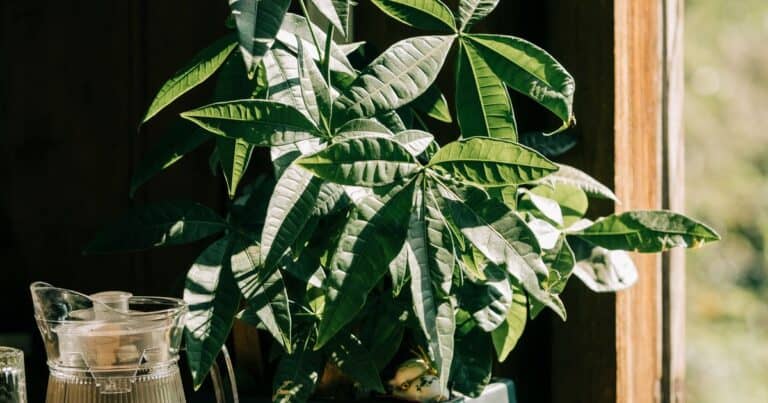
Want more safe picks? My Boston fern care guide and money tree care guide are both pet-safe too. And before you shop, check the two popular plants pet owners should avoid.
If your pet ever chews something you are unsure about, here are the signs your pet ate a toxic plant and what to do next.
Sources
Written by Mo Ruman, a self-taught plant parent who cross-checks every plant against the ASPCA database. Not a vet — when in doubt, call your vet. More about Kijani Paws · Ask me about a plant.
Get the free pet-safe plant checklist
One email when a new ASPCA-verified guide goes live. No spam, unsubscribe anytime.


12 Comments
Comments are closed.