Money Tree Care: The Easy, Pet-Safe Good-Luck Plant
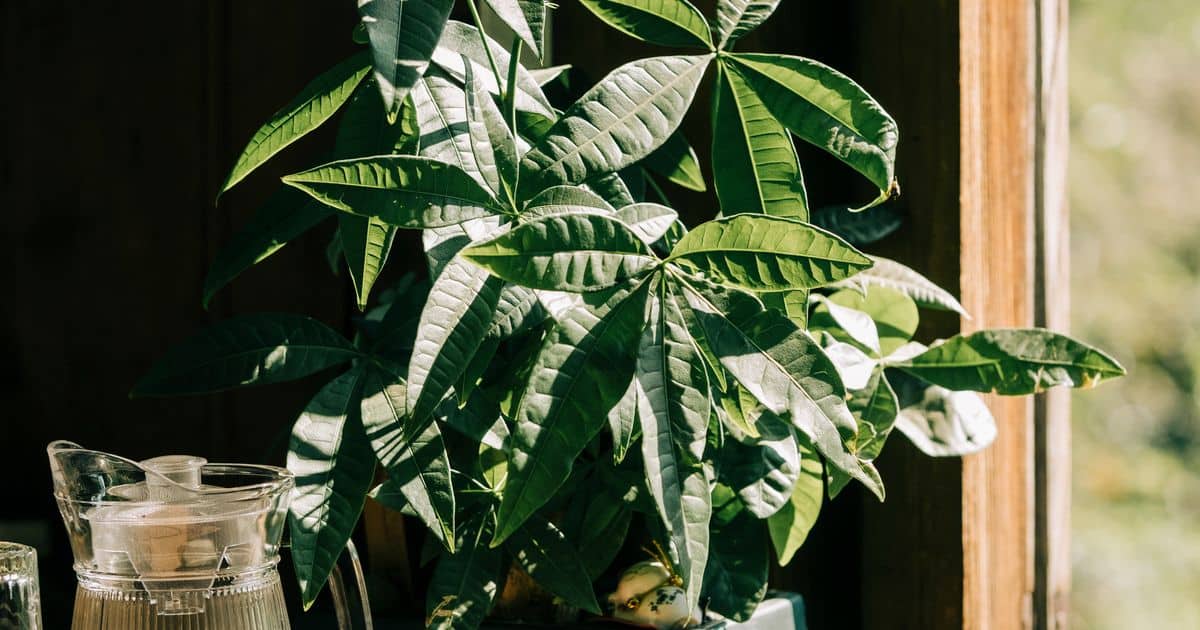
Money tree care is simple, and the best part is that the money tree is safe for cats and dogs. This guide covers everything you need to keep one happy in a pet home.
The money tree (Pachira aquatica) is the braided “good luck” plant you see everywhere. Good news: it is both beautiful and truly pet-safe.
Is the money tree safe for pets?
Yes. The money tree is safe for cats and dogs, which is the first thing every pet owner wants to know.
The ASPCA lists the money tree as non-toxic to dogs, cats, and horses. Its plant name is Pachira aquatica, and I checked it before writing this money tree care guide.
So you can keep this plant out in the open without worry. If your dog sniffs it or your cat bats a leaf, no harm done.
One small note. The ASPCA does list mild signs if a pet eats a lot of any plant: nausea, vomiting, and loose stool. That is true of most greenery. The money tree itself is not poison.
Money tree care at a glance
Here is the short version before we dig into money tree care step by step.
| Need | What the money tree wants |
|---|---|
| Light | Bright, indirect light |
| Water | When the top 2 inches of soil are dry |
| Humidity | Average to high; it likes a little moisture in the air |
| Soil | Well-draining potting mix |
| Pet safety | ASPCA non-toxic to cats and dogs |
Money tree care: light
Give your money tree bright, indirect light. A spot a few feet from a sunny window is the sweet spot.
Direct, harsh sun will scorch the leaves and leave brown patches. Too little light, and the plant gets leggy and pale. If your money tree leans, rotate the pot every week or two so it grows evenly.
Money tree care: water
This is where most money tree care goes wrong. People love this plant to death.
Water your money tree only when the top 2 inches of soil feel dry. Then water deeply until it drains out the bottom, and tip out any excess. In summer that may be once a week. In winter, much less.
The money tree comes from swampy ground, but in a pot it hates soggy roots. Overwatering is the number one money tree killer, so when in doubt, wait a day.
Humidity and temperature
The money tree likes average home humidity and a little extra moisture in the air. If your home is very dry, set the pot on a pebble tray with water, or group it with other plants.
Keep it in normal room temperatures, between 65 and 80°F. Move it away from cold drafts, heating vents, and frosty windows in winter. Sudden temperature swings make the leaves drop.
Soil, potting, and feeding
Use a well-draining potting mix and a pot with a drainage hole. A standard houseplant mix with a handful of perlite works great for money tree care.
Feed it a balanced liquid fertilizer once a month in spring and summer, then stop in fall and winter while growth slows. Repot every two to three years, or when roots start circling the pot.
Why is the trunk braided?
People always ask, so here it is: the braid is not natural. Growers weave several young, bendy money tree trunks together while they are soft, and the plant keeps that shape as it hardens.
It is purely for looks (and a bit of good-luck folklore). It does not affect money tree care at all, so treat a braided plant exactly like a single-stem one.
Common money tree problems
- Yellow leaves: almost always overwatering. Let the soil dry out more between drinks.
- Brown, crispy edges: air is too dry or light is too harsh. Add humidity or move it out of direct sun.
- Leaves dropping: usually a sudden change, like a cold draft or moving the plant. Pick one good spot and leave it there.
- Leggy, stretched growth: it wants more light. Move it closer to a bright window.
Money tree care FAQ
Is the money tree toxic to cats?
No. The ASPCA lists the money tree (Pachira aquatica) as non-toxic to cats.
Is the money tree safe for dogs?
Yes. The ASPCA lists the money tree as non-toxic to dogs as well.
How often should I water a money tree?
Water when the top 2 inches of soil are dry, often about once a week in summer and less in winter. Good money tree care means never letting it sit in water.
Is “money tree” the same as “money plant”?
Not always. The pet-safe money tree is Pachira aquatica. The name “money plant” is also used for the jade plant (Crassula), which is toxic to pets, so check the scientific name before you buy.
Why are my money tree leaves turning yellow?
Overwatering is the usual cause. Ease off, let the soil dry, and make sure the pot drains freely.
The bottom line
The money tree is a rare combo: striking, low-effort, and genuinely pet-safe. Master the simple money tree care basics — bright indirect light, water only when dry, and steady warmth — and it will thrive for years.
Want more safe picks? My Boston fern care guide and calathea care guide are both pet-safe too. And before you shop, check the two popular plants pet owners should avoid.
If your pet ever chews something you are unsure about, here are the signs your pet ate a toxic plant and what to do next.
Sources
Written by Mo Ruman, a self-taught plant parent who cross-checks every plant against the ASPCA database. Not a vet — when in doubt, call your vet. More about Kijani Paws · Ask me about a plant.
Get the free pet-safe plant checklist
One email when a new ASPCA-verified guide goes live. No spam, unsubscribe anytime.



14 Comments
Comments are closed.