Lilies and Cats: The Deadliest Plant in Your Home
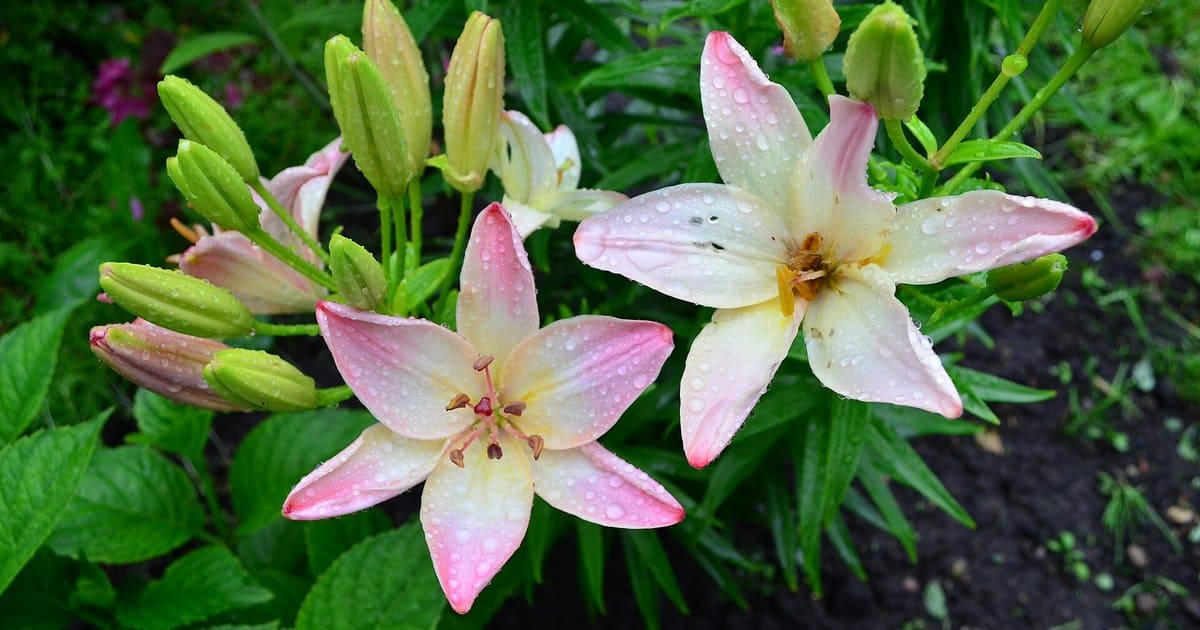
Lilies and cats: the hard truth
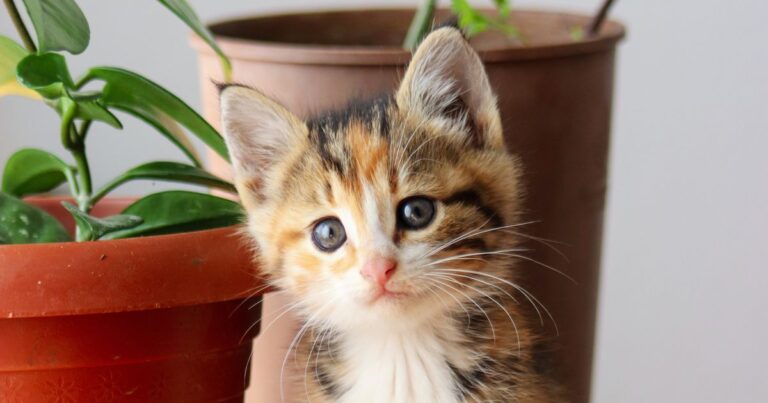
Real talk: this is the plant that scares me most. True lilies can kill a cat.
And it does not take much. A nibble on a leaf. A lick of pollen off the fur. Even a sip of the vase water. Any of these can shut down a cat’s kidneys.
The danger is so high. Vets treat it as a crisis every time. There is no home fix. Speed is everything.
Which lilies are deadly?
The deadly ones are “true” lilies and daylilies. These are the worst:
- Easter lily
- Tiger lily
- Stargazer lily
- Asiatic and Oriental lilies
- Daylily
The whole plant is toxic. The leaves. The petals. The pollen. The stem. Even the vase water. All of it.
One more warning. These lilies hide in gift bouquets. It happens all the time. If you have a cat, check every flower gift first. Do it before you bring it in.
What about dogs?
Here is a key point. True lilies are far less toxic to dogs.
A dog that eats a lily may get an upset belly. That is still worth a vet call. But dogs do not face kidney failure. Cats do. This is mostly a cat problem.
Not all “lilies” are true lilies
This part confuses everyone. Many plants have “lily” in the name. But they are not true lilies.
Plants like the peace lily and calla lily are different. They are still toxic, but in a milder way. They sting the mouth. They do not harm the kidneys.
The rule is simple. If it is a true lily or a daylily, treat it as deadly to cats. When in doubt, keep all lilies out of a cat’s home.
Signs to watch for in cats
Signs can start within hours. Watch closely for:
- Vomiting
- Drooling
- Not eating
- Low energy or hiding
- Peeing more, then not at all
That last sign is the scary one. It means the kidneys are failing. By then, each hour counts.
What to do right now
If you think your cat touched a lily, do not wait. Follow these steps:
- Move your cat away from the plant.
- Gently wipe any pollen off the fur and paws.
- Call your vet or the ASPCA line at (888) 426-4435.
- Go to the vet fast. Treatment works best early.
Do not make your cat throw up on your own. Let the vet guide you. For more, see the full signs your pet ate a toxic plant.
Safe flowers to enjoy instead
You do not have to give up flowers. Some are safe for cats.
The moth orchid is safe and blooms for months. Roses, sunflowers, and gerbera daisies are also safe picks. For more green ideas, see my pet-safe plant list.
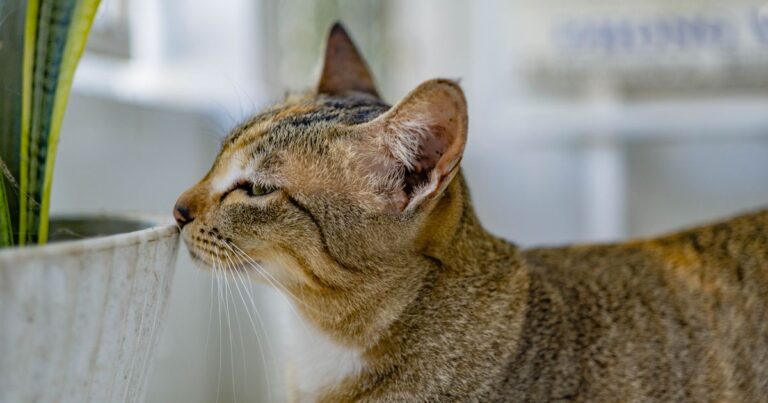
And always skip the toxic ones, like the snake plant and pothos and philodendron.
Sources
- ASPCApro — How to Spot Which Lilies Are Dangerous to Cats
- U.S. FDA — Lovely Lilies and Curious Cats
- UC Davis School of Veterinary Medicine — Lily Toxicity in Cats
Written by Mo Ruman, a self-taught plant parent who cross-checks every plant against the ASPCA database. This is not medical advice and I am not a vet. In an emergency, call your vet or the ASPCA. More about Kijani Paws · Get in touch.
Get the free pet-safe plant checklist
One email when a new ASPCA-verified guide goes live. No spam, unsubscribe anytime.



7 Comments
Comments are closed.