Signs Your Pet Ate a Toxic Plant (and What to Do)
First, stay calm and act fast
Your pet just chewed a plant. Take a breath. Then move quickly.
Most plant cases are mild. But a few are serious. Time matters. The steps below help you know what to watch. And what to do.
Signs your pet ate a toxic plant
Watch for these common signs. They can show up fast or over a few hours.
- Drooling or foaming at the mouth
- Vomiting or diarrhea
- Pawing at the mouth or face
- A red or swollen mouth and tongue
- Low energy or hiding
- Loss of appetite
- Wobbly walking or weakness
- Trouble breathing — call now
- Seizures — call now
Not every sign means danger. But more than one means call for help. So does any sign that gets worse.
What to do, step by step
Here is the plan. Work through it in order.
1. Move your pet away from the plant
Get them to a safe spot. Take away what is left so they cannot eat more.
2. Check their mouth, if it is safe to
Gently clear any leaf bits from the mouth. Do not get bitten. If your pet is upset, skip this step.
3. Find out what they ate
Grab the plant tag or a piece of the plant. Take a photo. Try to guess how much is gone. Your vet will ask all of this.
4. Call for help
Call your vet. Or call the ASPCA poison line at (888) 426-4435. It is open all day and night. A small fee may apply. It is worth it.
5. Do not make your pet throw up
This is a big one. Do not make your pet throw up unless a vet tells you to. With some plants, that makes things worse.
What to bring to the vet
If you head to the clinic, bring a few things to save time:
- A sample of the plant, or a clear photo
- The plant tag or name, if you have it
- A sample of any vomit, in a bag
This helps your vet pick the right care fast.
Plants behind the most calls
Some plants cause far more trouble than others. The ones to know:
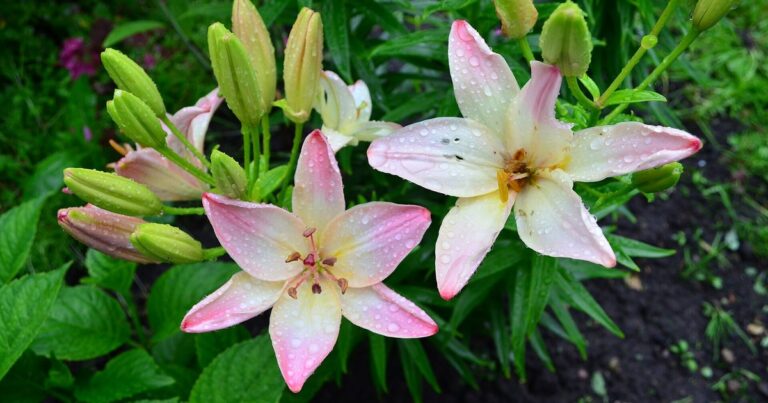
- True lilies — deadly to cats, even the pollen. A true emergency.
- Sago palm — can harm the liver in cats and dogs.
- Pothos and philodendron — sting and swell the mouth. See why pet owners should avoid both.
- Dumb cane (dieffenbachia) — the same sharp mouth crystals.
- Peace lily — not a true lily, but it still hurts the mouth.
Every toxic plant here is checked against the ASPCA plant database. I do that before I publish.
The best fix is prevention
The easiest emergency is the one that never happens. Fill your home with safe plants instead.
Good places to start: the pet-safe Boston fern and the cat-safe moth orchid. Both are on the ASPCA safe list.
Sources
- ASPCA — Animal Poison Control
- ASPCA — Top 10 Toxic Plants for Pets
- Cornell University College of Veterinary Medicine — First Aid for Poisonous Substances
Written by Mo Ruman, a self-taught plant parent who cross-checks every plant against the ASPCA database. This is not medical advice and I am not a vet. In an emergency, call your vet or the ASPCA. More about Kijani Paws · Get in touch.
Get the free pet-safe plant checklist
One email when a new ASPCA-verified guide goes live. No spam, unsubscribe anytime.





19 Comments
Comments are closed.